Climate & Weather in the Khumbu Region
Everest Base Camp Helicopter Tours are directly impacted by the high-altitude climate of the Khumbu, or Everest region, where weather patterns can change drastically and quickly.
With the best mountain views and safer flying conditions, early morning flights are typically the most stable. Seasonal differences are important: while the monsoon season brings heavy rainfall and cloud cover, which reduces visibility and increases flight risks, spring and autumn usually bring clear skies, mild temperatures, and little turbulence. Although the winter months are dry and cold with clear skies, wind patterns can be erratic.
The likelihood of a landing and the general safety of the flight can be affected by elements like unexpected clouds, snowfall, or strong winds. In addition to being necessary for safety, mountain visibility is also necessary for taking breathtaking views of Ama Dablam, Lhotse, Nuptse, Everest, and other nearby peaks.
Travellers can schedule their helicopter tour during the most advantageous season and guarantee a seamless, secure, and remarkable Himalayan experience by being aware of these climate patterns.
Best Season for Everest Base Camp (EBC) Heli Tour in Nepal
Spring Season
For the Everest Base Camp helicopter tour, Spring (March through May) is generally regarded as the best time of year because it offers the ideal mix of stable weather and stunning Himalayan scenery. These months offer unhindered panoramic views of Everest, Lhotse, Nuptse, and Ama Dablam because the skies are usually clear and there is little precipitation.
Lower-elevation snow starts to melt, exposing striking valleys and intensifying the contrast with the tall peaks.
Early morning flights are the best because of the clear air and gentle winds, which improve visibility and guarantee a comfortable journey. Because of the mild temperatures, flying is more comfortable overall. Rhododendrons bloom in the lower Khumbu valleys in the spring, which adds colour to the trip and makes for a breathtaking backdrop for your helicopter tour.
Spring is the best season to fly to Everest Base Camp for visitors looking for safety, breathtaking mountain views, and an unforgettable Himalayan experience.
Autumn Season
EBC Helicopter tours are particularly popular from September to November (Autumn) because of the pristine post-monsoon skies and superb mountain views. Every aerial view is breathtaking during this time because Everest, Lhotse, Nuptse, and the surrounding peaks appear sharply defined against clear, bright skies. While the cooler temperatures improve comfort without sacrificing visibility, stable atmospheric conditions and low turbulence make flights safer and smoother.
Departures in the early morning or late afternoon frequently capture the mountains in a golden glow, producing breathtaking views of the Himalayas at sunrise and sunset.
Autumn Season provides the perfect balance of safety, clarity, and Himalayan adventure for tourists looking for clear views, ideal flying conditions, and stunning photography opportunities.
Winter Season
Despite the colder temperatures, December through February ( Winter) is a popular time for helicopter tours because of the clear, crisp skies and excellent visibility over the Everest region.
Long-distance views are improved by the low humidity, giving visitors a breathtaking aerial view of Mount Everest, Lhotse, Nuptse, and neighbouring peaks.
Even though the calmest winds make early morning flights the most dependable, ground logistics, such as road access to helipads or airports, can be impacted by cold weather and possible snow. For photographers and adventurers who want to capture unspoiled aerial panoramas, dramatic Himalayan landscapes, and solitude, winter is ideal.
The winter season is a special and fulfilling time to visit the Everest Base Camp by helicopter because of the unmatched clarity and tranquil atmosphere, despite the colder weather.
Monsoon Season
The Everest region experiences erratic weather and cloud cover during the June to August monsoon season, which may have an impact on helicopter tour operations. Although there is frequently little rainfall in high alpine regions, the presence of surrounding clouds and mist makes it harder to see the mountains and raises the possibility of turbulence.
Helicopter operations become heavily reliant on the daily weather and pilot judgment, and flights may be delayed or cancelled. Generally speaking, the monsoon is not advised for first-time visitors or those looking for assured panoramic views of Everest, Lhotse, and Nuptse.
However, with careful preparation and flexibility, a monsoon tour can offer striking cloudscapes and a distinctive, constantly shifting Himalayan atmosphere for seasoned adventurers ready to embrace uncertainty. If you are planning to visit Nepal for Helicopter Tours, then you can consult with us before coming to Nepal.
Note: Mount Glory Treks is highly recommended during Spring(March to May), Spring(September to November) and Winter December to February). During the monsoon (June to August) is not a good season because of heavy rain and fully cloudy over the Himalayas of Nepal.
Special Time Considerations For the Heli Tour to EBC
It's crucial to consider more than just the weather when organizing a helicopter tour of Everest Base Camp. Flight availability, travel logistics, and the overall experience can all be impacted by seasonal events, local festivals, and even uncommon astronomical phenomena.
Smoother planning, safer flights, and the best Himalayan views are all made possible by taking these factors into account. In order to plan tours during the best times, pilots, operators, and tour companies like Mount Glory Treks keep a close eye on these factors.
- Festival Seasons: Tihar (October–November) and Dashain (September–October) are two significant Nepalese festivals that can raise demand for flights and helicopter reservations, airport traffic and domestic travel.
- Astronomical Events: Flight schedules and visibility conditions may be impacted by extra visitors brought in by solar eclipses, full moons, or other celestial events.
- Weather Monitoring: To identify safe flight windows, operators monitor current weather, wind speeds, cloud cover, and mountain conditions.
- Morning Flight Preference: During most seasons, early morning flights are preferred because the air is calmer, winds are lower, and clouds have not yet formed, providing the best view of Everest and the surrounding peaks.
- Impact of Holidays and Peak Seasons: Since spring and autumn are popular trekking seasons and may see high travel demand, it is advised to book flights well in advance to guarantee desired dates.
- Altitude and Airspace Restrictions: When planning tours, pilots also take into account airspace laws and high-altitude aerodynamics, particularly during peak hours or special occasions.
Tips for Booking at the Right Time
- Booking in Advance: To guarantee desired dates, book helicopter tours and flights well in advance during busy times such as spring (March–May) and autumn (September–November).
- Verify Weather Windows: Because high-altitude weather conditions can change quickly, confirm flight schedules one day prior to departure.
- Be Ready for the Cold: Even during the warmer months, temperatures at high elevations stay low, so bring layers and warm clothing.
- Early Departures: To get the best views of Everest, Lhotse, Nuptse, and the surrounding peaks, plan your flights for the morning to optimize visibility and minimize turbulence.
- Flexible Planning: Include a day in your schedule to account for unforeseen weather cancellations or delays.
- Reliable Operators: Make use of seasoned organizations such as Mount Glory Treks, which keep an eye on weather reports and modify flights for safety and the best possible views.
In Conclusion
A successful and unforgettable Everest Base Camp helicopter tour with Landing depends heavily on timing. The most popular seasons for aerial sightseeing are spring (March–May) and autumn (September–November), which offer the best combination of clear skies, consistent weather, and comfortable conditions.
While winter (December–February) brings dramatic scenery and clear visibility, it also brings colder temperatures and more logistical challenges.
Due to cloud cover, decreased visibility, and unpredictable flight conditions, the monsoon season (June–August) is typically the least advised.
Organizing your trip with knowledgeable tour operators like Mount Glory Treks guarantees that your itinerary, flight times, and safety precautions are optimized, enabling you to take in the magnificent Himalayan vistas in the most comfortable and worry-free way.
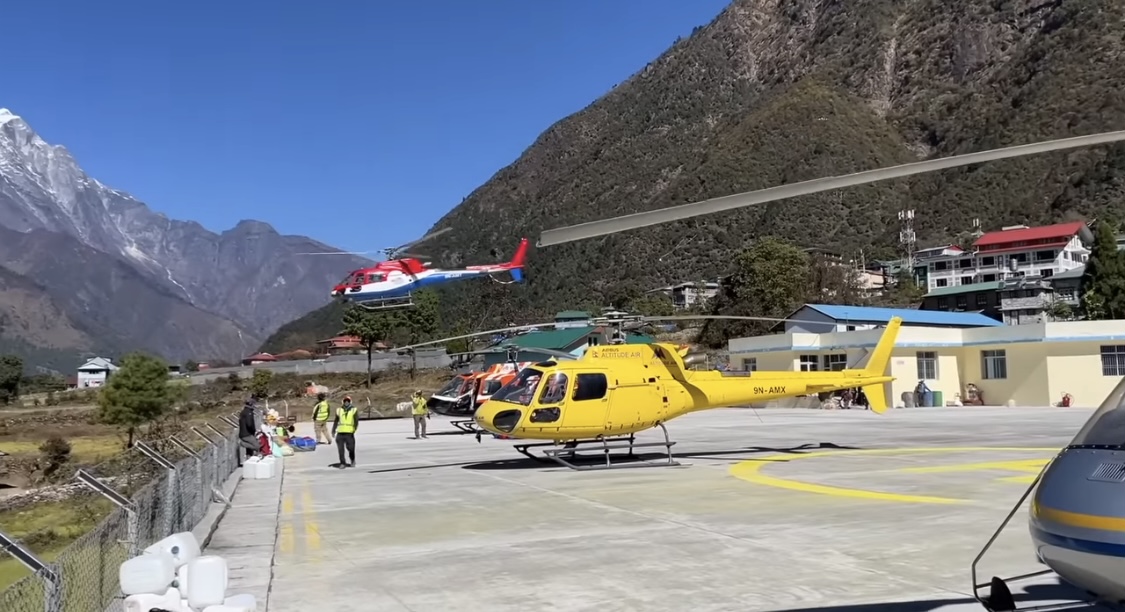
Normally, Everest Helicopter tours operate on a sharing basis with a maximum of 5 travellers and 1 pilot. Due to high altitude, helicopter performance, and weight limitations above 4,000 meters, passengers are usually divided into smaller shuttle groups for safe flights toward Kala Patthar landing and the Everest Base Camp flyover. This process ensures safety, better mountain views, and smooth helicopter operations in the high Himalayas of the Everest Region.
If travellers are interest for Landing at Kala Patthar 5555m during the Everest Base Camp Helicopter Tour is possible only with a private helicopter charter and requires an additional cost. For detailed information about landing permits, weather conditions, and charter pricing, you can connect with the operations team. Also, we have an optional landing opportunity at Gokyo Lake with an additional landing cost.
Frequently Asked Questions
1: When is the best time to do an Everest Base Camp helicopter tour?
Aim for spring (March–May) or autumn (September–November) for the most spectacular experience. Views of the mountains are genuinely breathtaking during these seasons because of the clear skies, steady weather, and little turbulence. Although the monsoon season is less favourable, winter can also offer breathtaking views if you're prepared to brave the colder temperatures. Comfort and safety are guaranteed when your tour is scheduled during these ideal times of year.
2: Can helicopter tours operate during the monsoon season?
From June to August, tours are occasionally feasible, but flights are unpredictable due to frequent clouds, rain, and wind. Be ready for possible delays or rescheduling if your schedule is set during the monsoon. To increase your chances of a successful flight, think about speaking with seasoned operators who keep an eye on the weather every day.
3: Why are early morning flights recommended for Everest helicopter tours?
In general, morning flights offer the best visibility of the mountains, the clearest skies, and the calmest winds. Later in the day, turbulence and clouds often increase, making Everest and the nearby peaks less visible. It is strongly advised to book an early departure for the most vibrant and unobstructed views.
4: Do weather conditions affect helicopter tour schedules?
Yes, definitely. Weather at high altitudes can change rapidly, compromising safety and visibility. Working with an experienced operator guarantees that your tour can change in real time, adjusting the flight windows to minimize turbulence and enhance your experience of aerial sightseeing.
5: Is winter a good time for Everest Base Camp helicopter tours?
Winter is the ideal season for photographers because of the incredibly clear skies and breathtaking panoramic views. It does, however, bring with it some logistical difficulties and lower temperatures. Winter flights can be immensely satisfying if you like to travel alone, take in the breathtaking scenery, and are ready for the cold.
6: How far in advance should I book an Everest helicopter tour?
Booking at least one to two months in advance is the best way to guarantee your desired dates, flight times, and clear-sky windows, particularly during busy times. Additionally, early booking enables operators to assist with weather contingency plans and travel arrangements.
7: What should I pack for a helicopter tour to Everest Base Camp?
Pack warm layers, windproof jackets, gloves and sunglasses because high-altitude conditions are cold even in the spring or autumn. Remember to bring a camera and sunscreen for the breathtaking mountain views. Additionally advised are light snacks and comfy footwear, particularly for pre-flight waiting or quick strolls at landing sites.
8: Can international travellers from the USA or Europe join these tours?
Yes. After arriving in Kathmandu or Lukla by plane, many foreign visitors join helicopter tours. Operators like Mount Glory Treks offer complete assistance with permits, airport transfers, acclimatization advice, and carefully thought-out itineraries, so take them into consideration for a seamless experience.
9: Are helicopter tours safe at high altitudes?
Helicopter tours are extremely safe when operated by qualified operators and trustworthy organizations. Strict high-altitude safety procedures are followed during flights, and turbulence risks are decreased by leaving early. Selecting a qualified operator guarantees worry-free travel and safety.
10: How can I maximize my Everest viewing experience on a helicopter tour?
Choose early flights, travel with an experienced tour guide who is familiar with the best viewing routes, and schedule your trip in the spring or autumn for the best experience. Having a camera, binoculars, and even some leeway in your schedule will help you get the best Himalayan views.
11: Is it possible to land at Kalapatthar 5555m?
Yes, a helicopter landing at Kala Patthar is possible during the Everest Base Camp Helicopter Tour. It is mainly available with a private charter helicopter, usually for a maximum of 2 travellers from Pheriche due to high-altitude weight limits. An additional cost is required for the Kala Patthar landing experience.
12: Which Travel Company is Best for an Everest helicopter tour in Nepal?
If you are searching for the best Everest Helicopter Tour company in Nepal, one of the most trusted and experienced operators is Mount Glory Treks. Since its establishment in 2015, the company has built a strong reputation in Himalayan tourism with safe, luxury, and customized helicopter services. With its strong network, private charter options, and customized helicopter experiences, it delivers a safe, premium, and unforgettable Everest journey for travellers from around the world.

 based on 228 reviews


.webp)
.webp)