Kathmandu to Machha Khola By Local Bus During Manaslu Trek
Planning the Manaslu Circuit Trek usually starts with choosing the right itinerary, checking permit requirements, and deciding when to visit. However, there is one aspect of the journey that many trekkers overlook until the last minute: transportation.
Unlike the Everest Base Camp Trek, where the adventure begins with a mountain flight to Lukla, the Manaslu Circuit Trek starts Transports on the road. Your first day is spent travelling from Kathmandu towards the Budhi Gandaki Valley, passing through small towns, terraced hillsides, rivers, and winding mountain roads before you even set foot on the trail.
From my experience, this drive is often underestimated. Many first-time trekkers expect it to be just another transfer, but it's actually the beginning of the adventure. The road becomes narrower as you leave the city behind, the scenery changes dramatically, and you slowly get your first glimpse of rural Nepal long before reaching the Himalayas. It also helps you appreciate just how remote the Manaslu region really is.
Another question I hear quite often is whether there is any transportation during the Manaslu Circuit Trek itself. The simple answer is no. Once you reach the trailhead, the rest of the journey is completed on foot until you descend to Dharapani on the Annapurna side. That's one of the reasons this trek has remained quieter and less commercial than many of Nepal's other famous trekking routes.
In this guide, I'll walk you through every stage of transportation on the Manaslu Circuit Trek, from getting from Kathmandu to Machha Khola, to deciding whether to take a local bus, shared jeep, or private jeep, to understanding the road conditions, transportation costs, and how you'll get back to Kathmandu after finishing the trek.
Whether you're planning your first Himalayan adventure or comparing different trekking routes, knowing what to expect before you travel will help you plan with more confidence and avoid unnecessary surprises.
How to Reach the Manaslu Circuit Trek Starting Point
The first transportation challenge of the Manaslu Circuit Trek is reaching the trailhead. Unlike some trekking routes in Nepal that begin with a domestic flight, the Manaslu region is accessed by road from Kathmandu.
Most standard itineraries begin from Machha Khola, although some older routes started from Soti Khola. Improved road access has allowed trekkers to start farther along the route, saving some walking days while still experiencing the complete Manaslu region.
The journey from Kathmandu to Machha Khola usually takes around 8–10 hours, but the actual travel time depends heavily on road conditions, traffic, weather, and the type of vehicle you choose.
The drive itself is not just a transfer. It is your first introduction to the remote landscapes of the Manaslu region, passing through green hills, rivers, villages, and winding mountain roads before reaching the starting point of the trek.
Kathmandu to Machha Khola Transportation Options
There are mainly three ways to reach Machha Khola:
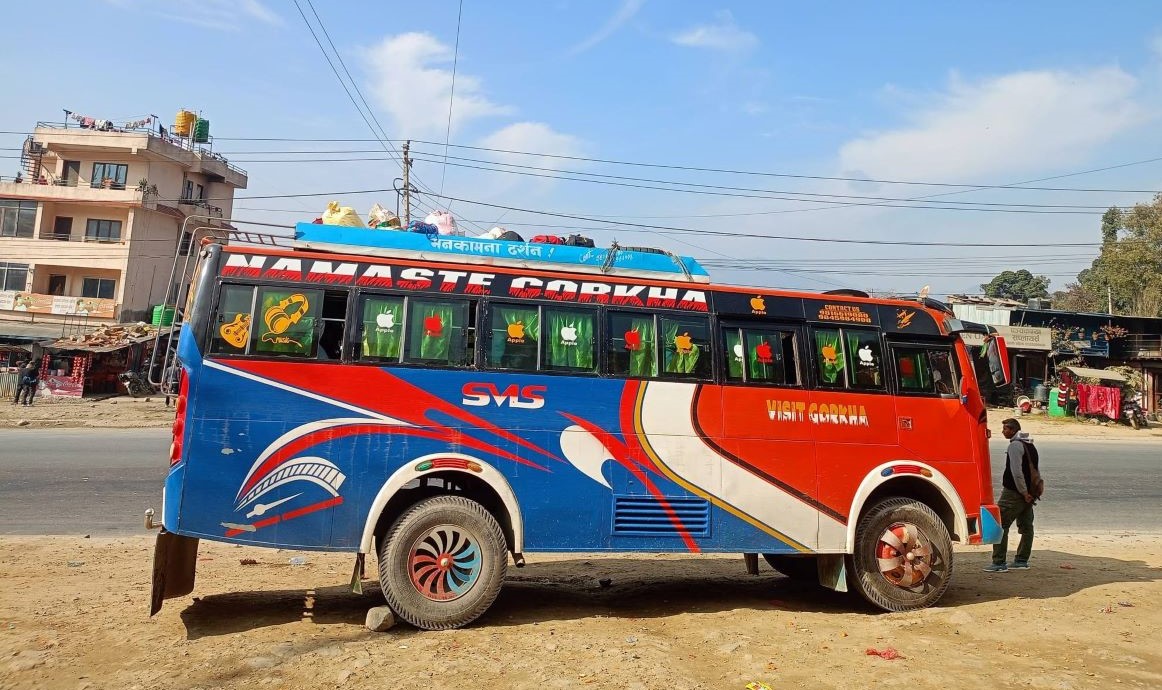
Local bus
Shared jeep
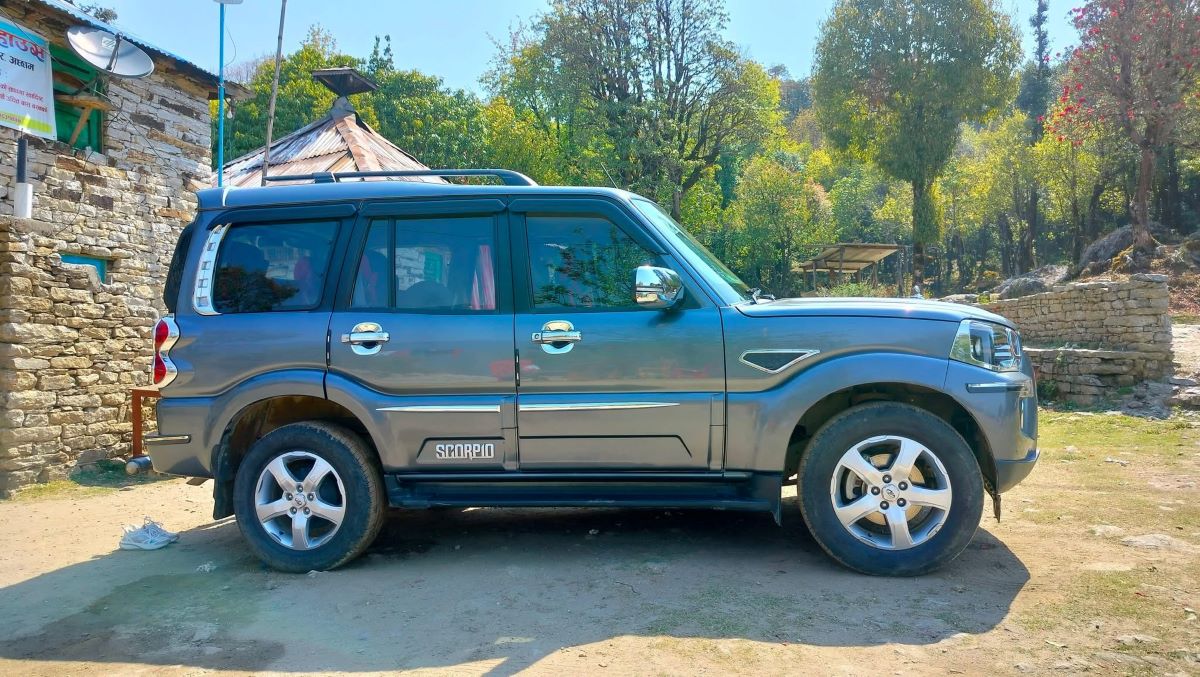
Private jeep
The best option depends on your budget, comfort preference, and group size.
Local Bus: The Budget Option (US$7–13 per person)
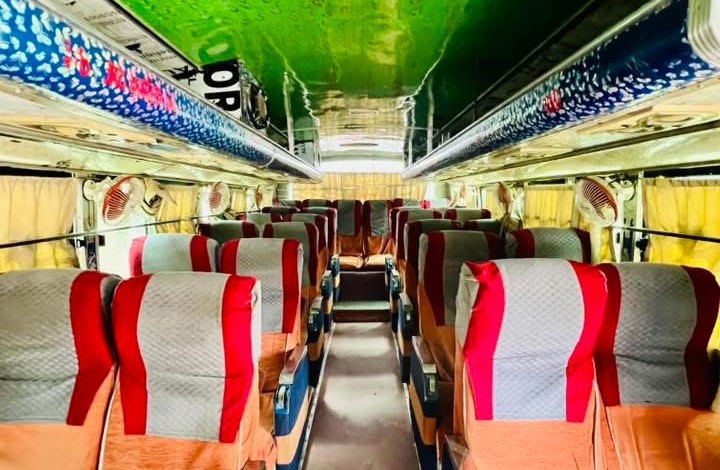
Local buses are the cheapest way to reach the Manaslu Circuit trailhead and are commonly used by local people travelling between villages.
For budget-conscious trekkers, this can be an interesting cultural experience because you travel alongside locals and get a glimpse of everyday life in rural Nepal.
However, comfort is limited.
Advantages:
Cheapest transportation option
More local experience
Suitable for flexible travellers
Disadvantages:
Longer travel time
Less comfortable seating
Crowded during busy periods
Limited space for large trekking bags
From my perspective, the local bus works best for experienced budget travellers who don't mind a long mountain journey. After a long international flight or with heavy trekking luggage, most trekkers find the shared or private jeep option much more comfortable.
Shared Jeep: The Most Popular Choice (US$16–30 per person)
A shared jeep is currently the most common transportation choice for trekkers heading towards Machha Khola.
It offers a good balance between cost and comfort, making it the option I usually recommend for most travelers.
Advantages:
Faster than local buses
More comfortable on mountain roads
Better luggage space
More suitable for trekkers
Disadvantages:
Fixed departure schedules
Less privacy
Can still feel crowded during peak seasons
Shared jeeps usually leave from Kathmandu or nearby transport points and continue as far as road conditions allow.
Private Jeep: The Most Comfortable Option (US$160–250 per vehicle)
For trekkers who value comfort and flexibility or are travelling in a group, hiring a private jeep is the easiest option.
A private jeep allows you to:
Leave at your preferred time
Stop for breaks and photos
Travel more comfortably
Avoid waiting for other passengers
This option is especially useful for families, private trekking groups, or travelers who have limited time in Nepal.
Although the cost is higher, splitting the price among several people can make it a reasonable choice.
Private / Sharing Jeep Transport From Kathmandu to Machha Khola Or Tilje to Kathmandu
My Recommendation
If you're asking me which transportation option is best for the Manaslu Circuit Trek, I would usually suggest a shared jeep for most trekkers.
It saves time compared to taking the bus while avoiding the high cost of a private vehicle. However, if you are traveling with a group of three or more people, a private jeep can be well worth the extra comfort.
The road trip is long, and beginning the trek rested rather than exhausted can make a significant difference during the first few days.
Transportation During the Manaslu Circuit Trek Route
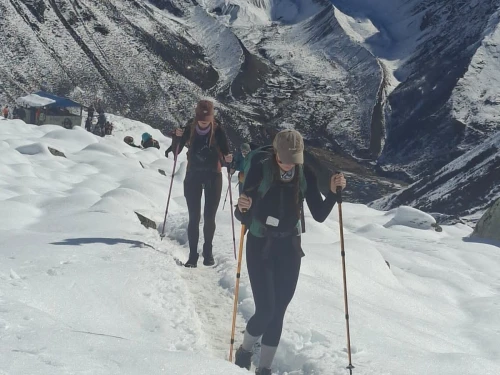
Once you reach Machha Khola, the actual trekking journey begins. Unlike the road sections preceding and following the trek, there is no regular vehicle transportation along the classic Manaslu Circuit trail.
From Machha Khola until you reach Dharapani, the route is completed entirely on foot. This is one of the reasons the Manaslu Circuit feels more remote and adventurous compared to many other popular trekking routes in Nepal.
The trail follows the Budhi Gandaki River Valley, gradually climbing through villages such as Jagat, Deng, Namrung, Lho, Samagaon, and Samdo before reaching the high mountain section near Larke Pass (5,106 m).
Why There Is No Road Transportation on the Main Trail
The Manaslu region is a protected and remote Himalayan area. Although road development has reached some lower sections, the higher trekking route remains inaccessible to regular vehicles.
Instead, transportation of supplies is managed through:
Porters
Mules and horses
Local carriers
Food, construction materials, and daily necessities for teahouses are brought into villages through these traditional methods.
From my experience, this is actually one of the best parts of trekking in Manaslu. The absence of vehicles keeps the trail quieter and allows you to experience mountain villages in a much more natural way.
Can You Skip Difficult Sections by Jeep?
Some trekkers ask whether they can use jeeps to avoid certain walking sections. Although road access has improved in some lower areas, the classic Manaslu Circuit Trek is designed to be walked.
Attempting to replace trekking days with vehicle trips may also have an impact on the overall experience, as the beauty of Manaslu lies in the gradual progression through changing landscapes from tropical hills and forests to high Himalayan valleys.
A proper itinerary gives you enough time to experience:
Traditional mountain villages
Local Buddhist culture
Changing landscapes
Acclimatization before crossing Larke Pass
Transportation for Emergency Situations
Although there are no regular vehicles on the high trekking sections, emergency evacuation options are available if required.
Depending on the situation, support may involve:
Local assistance
Horse or mule evacuation in some areas
Helicopter evacuation for serious emergencies
This is why obtaining travel insurance that covers high-altitude trekking and helicopter evacuation is critical before beginning the Manaslu Circuit.
Walking Is Part of the Experience
The lack of transportation might sound challenging at first, but it is actually what makes the Manaslu Circuit special.
Unlike routes where roads and vehicles have changed the trekking experience, Manaslu still offers a feeling of entering a remote Himalayan world. Every village, viewpoint, and mountain pass is reached step by step, making the journey itself as memorable as the destination.
For many trekkers, the walking days are not just something to get through; they are the most rewarding aspect of the entire adventure.
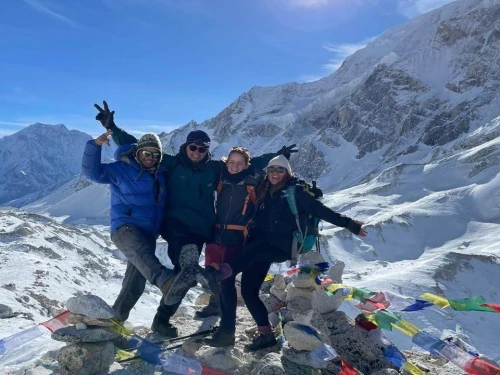
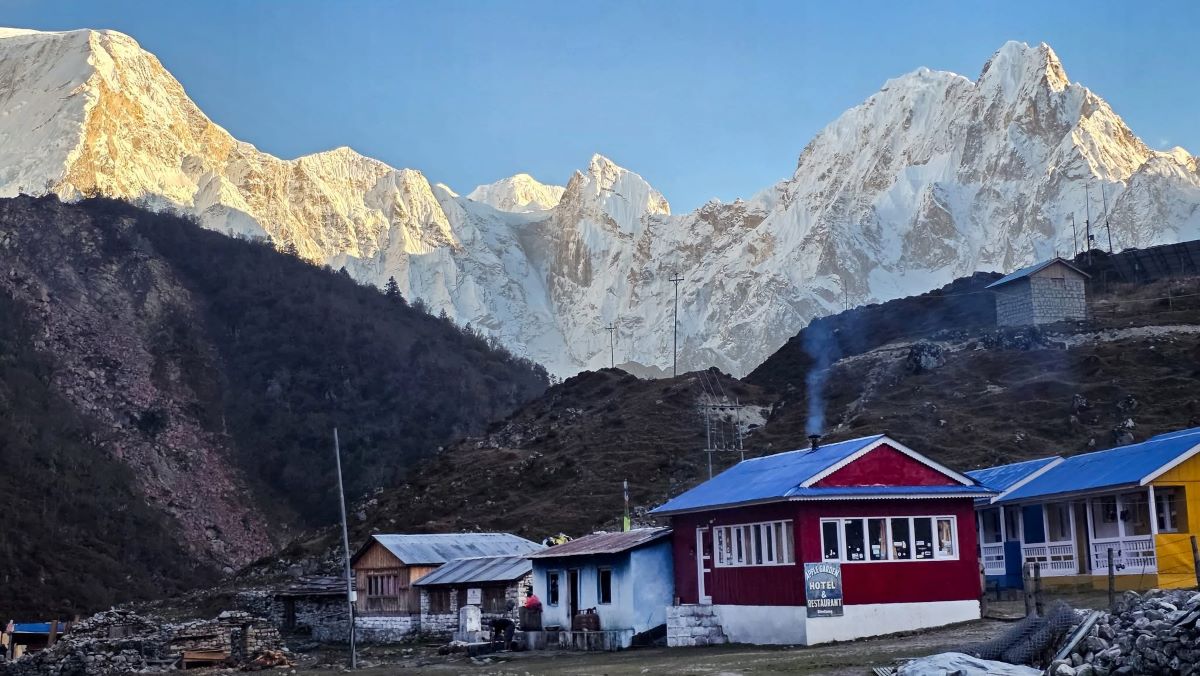
Close Mountain View During Manaslu Trek
Returning from Tilije: Transportation to Kathmandu or Pokhara
After nearly two weeks on the trail, the Manaslu Circuit Trek officially concludes in Tilije, a small village where the road journey begins again. While many trekkers focus on reaching Larkya La Pass, it's worth planning your return transportation in advance, especially during the busy spring and autumn trekking seasons.
From Tilije, you'll leave the mountains behind and travel by road through Dharapani and Besisahar before continuing to either Kathmandu or Pokhara. Depending on your itinerary, weather, and road conditions, the entire journey usually takes 8–10 hours.
Shared Jeep (US$20–35 per person)
A shared jeep is the option most trekkers choose after completing the Manaslu Circuit. It is quicker than local buses and handles the rough mountain roads much better.
Best for:
Solo travellers
Couples
Budget-conscious trekkers
Those looking for a balance between comfort and cost
From my experience, this is the option I recommend most often. After several days of trekking, a shared jeep feels considerably more comfortable than a crowded local bus without significantly increasing your budget.
Private Jeep (US$180–280 per vehicle)
If you're travelling with friends or family, hiring a private jeep is often the most convenient choice.
A private jeep gives you the flexibility to leave when you're ready, stop for meals or short breaks, and travel at your own pace. Once the cost is shared among several people, it becomes surprisingly good value.
Can You Return to Pokhara Instead?
Yes. Although many trekkers return to Kathmandu, Pokhara is a popular destination after completing the Manaslu Circuit.
If you want to extend your vacation in Nepal or simply spend a few days relaxing by the lake, returning to Pokhara is an excellent option. The route remains the same through Besisahar, where the journey continues towards Pokhara rather than Kathmandu.
Things to Keep in Mind
Before arranging your return transportation, I'd recommend keeping a few practical things in mind:
Reserve your jeep in advance during peak trekking seasons.
Keep some cash with you, as digital payments are not always available in remote areas.
Expect occasional delays caused by road maintenance, landslides, or weather.
Avoid booking an international flight on the same day you finish the trek. Keeping an extra day in Kathmandu provides valuable flexibility if road conditions change unexpectedly.
After walking for days through remote valleys and high mountain passes, the drive back to the city can seem surprisingly short. It's also an opportunity to reflect on your journey and appreciate how far you've come through one of Nepal's most breathtaking trekking regions.
Kathmandu to Machha Khola Local Bus Seats
Road Conditions During the Manaslu Circuit Trek
Getting to the Manaslu region is part of the adventure itself. While the trekking trail is known for its remote beauty, the road journey to and from the trailhead is something worth preparing for as well. If you're expecting smooth highways all the way to Machha Khola or Tilije, you'll likely be surprised.
The drive combines well-paved highways with rough mountain roads, particularly as you move deeper into the Gorkha district. Although road access has improved considerably over the past few years, sections of the route are still unpaved, narrow, and occasionally affected by weather. That's perfectly normal for remote trekking regions in Nepal and is simply part of the journey.
Fortunately, the scenery more than makes up for the bumpy ride. As the road winds through river valleys, traditional villages, waterfalls, and terraced hillsides, you'll get an early taste of the landscapes that make the Manaslu Circuit Trek so memorable.
What to Expect on the Road
The drive isn't difficult, but it does require a little patience. Travel times can vary depending on road maintenance, traffic, and weather, so it's always a good idea to keep your schedule flexible.
Along the route, you'll typically encounter:
Smooth highway sections leaving Kathmandu.
Gravel and dirt roads as you approach Machha Khola and Tilije.
Narrow mountain roads with sharp bends.
Dusty conditions during the dry season.
Muddy stretches and occasional landslides during the monsoon.
Even though the roads can be rough in places, experienced local drivers are very familiar with these routes and operate them throughout the year.
How the Season Affects Road Conditions
Road conditions change with the seasons, which is one of the reasons spring (March to May) and autumn (September to November) are considered the best times for the Manaslu Circuit Trek.
During these months, the weather is generally stable, visibility is excellent, and transportation is more reliable.
If you're trekking during the monsoon season (June to August), expect slower travel. Heavy rainfall can make some sections muddy and occasionally trigger landslides that delay vehicles. Winter usually brings dry roads, although colder temperatures and occasional snowfall at higher elevations can still affect travel plans.
A Few Things That Make the Drive Easier
The road journey is long enough that a little preparation goes a long way. Before leaving Kathmandu, I always make sure I have everything I might need within easy reach instead of packing it away in my main duffel bag.
A few simple essentials can make the drive much more comfortable:
Keep water and light snacks with you.
Bring motion sickness medication if winding roads affect you.
Pack a light jacket since temperatures can change throughout the day.
Store cameras and electronics in a dust-resistant or waterproof bag.
Allow an extra day in your itinerary in case weather or road conditions cause delays.
The roads to Manaslu may not be the smoothest in Nepal, but they're part of what makes the region feel genuinely remote. By the time you arrive at the trailhead, you'll already feel like you've left the busy city behind and stepped into a completely different side of the country.
Conclusion
Transportation may not be the first thing that comes to mind when planning the Manaslu Trek, but understanding how it works can make your entire journey much smoother. From the long but scenic drive between Kathmandu and Machha Khola to the return journey from Tilije after completing the trek, every stage requires a little planning and flexibility.
The good news is that traveling to the Manaslu region is easier now than it was a few years ago. Whether you take a local bus, a shared jeep, or a private jeep, the best option is ultimately determined by your budget, travel style, and desired level of comfort before and after the trek.
While the mountain roads can be rough in places, they are part of what distinguishes the Manaslu experience. The gradual transition from bustling city streets to peaceful villages, river valleys, and Himalayan landscapes gives you a true sense of leaving modern life behind and entering one of Nepal's most spectacular trekking regions.
With your transportation planned ahead of time, you can spend more time enjoying everything the Manaslu Circuit Trek has to offer. If travelers have more days and also want to discover the whole Manaslu & Tsum Valley Area, then the Manaslu Tsum Valley 18 Days Package is the ideal offering by Mount Glory Treks.
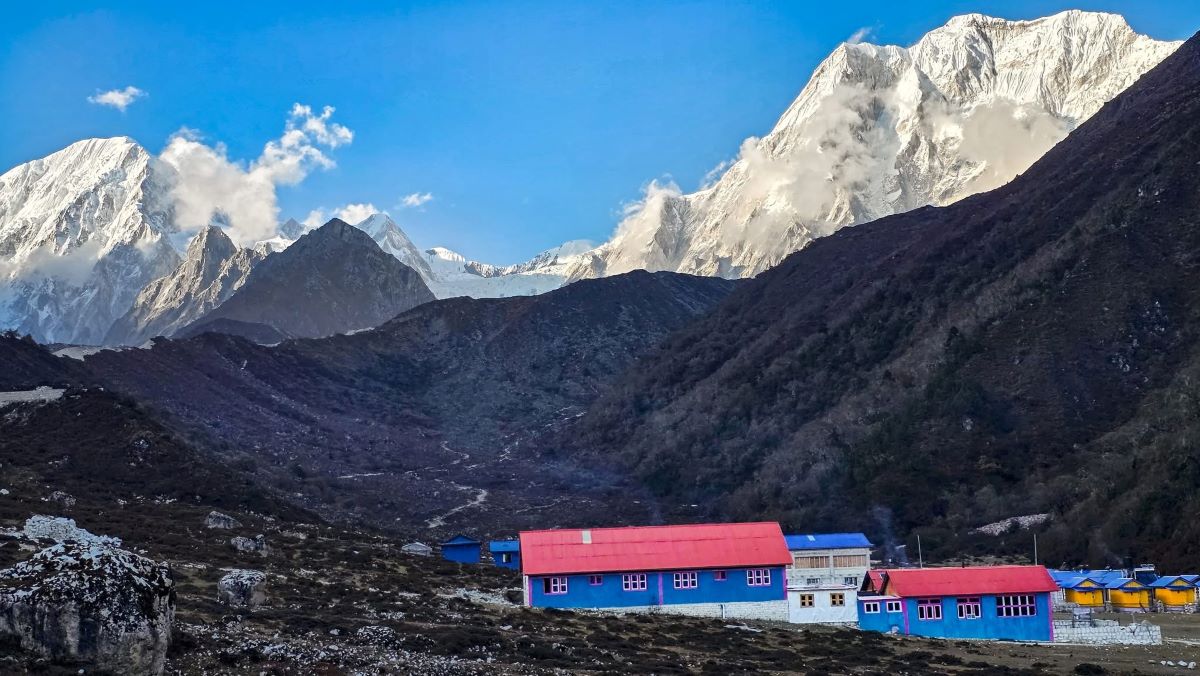
Stunning Manaslu Range During Manaslu Circuit Trek 13 Days
Frequently Asked Questions (FAQs)
1: How do you get to the starting point of the Manaslu Circuit Trek? The Manaslu Circuit Trek typically begins with a road journey from Kathmandu to Machha Khola, the most common trailhead for standard itineraries. You can choose between a local bus, a shared jeep, or a private jeep depending on your budget and comfort preferences. If you're travelling with heavy trekking gear or have just arrived in Nepal after a long international flight, I'd generally recommend a shared or private jeep. They're more comfortable on the rough mountain roads and help you arrive at the trailhead feeling much more rested.
2: Is there road access throughout the Manaslu Circuit Trekking? No. Although road construction has reached some lower parts of the region, the classic Manaslu Circuit Trek is still primarily a walking adventure. Once you leave Machha Khola, you'll spend the next several days trekking through remote villages, forests, and high mountain landscapes until reaching Tilije. This limited road access is actually one of the reasons Manaslu has managed to retain its peaceful atmosphere and authentic Himalayan character.
3: What is the best transportation option for the Manaslu Trek? For most trekkers, a shared jeep offers the best balance of comfort, cost, and convenience. It's considerably faster and more comfortable than a local bus without being as expensive as hiring a private vehicle. However, if you're travelling with family or a group of friends, a private jeep can be well worth the extra cost since you can split the fare and enjoy a much more flexible journey.
4: How much should I budget for transportation during the Manaslu Circuit Trek? Transportation costs are relatively affordable compared to the overall cost of the trek. A local bus from Kathmandu to Machha Khola usually costs around US$7–13, while a shared jeep generally ranges from US$16–30 per person. A private jeep typically costs US$130–225 per vehicle. If your trek is booked through a trekking agency, it's always worth checking whether transportation is already included, as many packages cover both the outbound and return journeys.
5: How do I return to Kathmandu after completing the Manaslu Circuit Trip? After finishing the trek in Tilije, most trekkers continue by road through Dharapani and Besisahar before returning to Kathmandu. If you have extra time, you can also travel to Pokhara, which is a popular choice for relaxing after the trek. Shared jeeps are the most common option, while private jeeps offer greater comfort and flexibility, particularly for small groups or travellers with tight schedules.
6: Are the roads to the Manaslu Circuit Trek difficult? The roads are not dangerous under normal conditions, but they can be rough and slow in places. You'll travel on a combination of paved highways, gravel roads, and narrow mountain tracks, especially closer to Machha Khola and Tilije. During the monsoon, heavy rainfall can occasionally cause landslides or temporary delays, so it's always a good idea to allow some flexibility in your travel plans rather than working to a very tight schedule.
7: Should I book transportation in advance? Yes, especially if you're visiting during the popular spring (March to May) or autumn (September to November)trekking seasons. Shared jeeps often fill up quickly, and arranging your transportation in advance gives you more flexibility while reducing last-minute stress. If you're booking your Manaslu Circuit Trek through a reputable trekking agency such as Mount Glory Treks, they can usually organize all transportation for you, allowing you to focus on enjoying the trek instead of worrying about logistics.
Born and raised in the Mountainous village of Gorkha Nepal. Mr. Pandey is a successful tour leader and a very active social worker contributing a lot to the welfare of society. Mr, Pandey belongs to a very humble background and has started his career as a junior staff in a much-reputed company in Nepal. Mr. Pandey's family background is engaged in the tourism sector for an extended period. After spending many years in research and the drawbacks of tourism development.
Due to his great passion and enthusiasm for the trekking and tourism sector, he started his tour career with many expert teams. He intends to bring revolution to the tourism sector by offering luxurious services and accommodations to travelers at a minimum price. With the Motto of Travellers, satisfaction is my passion. He has been helping many travelers with traveling.

 based on 228 reviews