Showing1Packages
![Mount Kailash Mansarovar Yatra]() Pilgrimage Tour
Pilgrimage TourMount Kailash Mansarovar Yatra
Duration:12 DaysUS$2350

 based on 228 reviews

Known as the "roof of the world", Tibet offers breathtaking views of the Himalayas, high-altitude plateaus, and glistening lakes.
In historic cities like Lhasa and Shigatse, tourists can discover sacred sites, monasteries, and traditional Tibetan culture while on the Tibet Tour.
Every year, thousands of pilgrims from various religions and nations travel to the region for spiritual excursions like the Lake Mansarovar visit and the Mount Kailash Kora Tour.
Similarly, one of the most breathtaking overland trips across the Himalayan plateau can be taken from the northern side of Tibet to Everest Base Camp. To get to Everest Base Camp, which is situated at roughly 5,200 metres, travellers must drive from Lhasa through ancient Tibetan towns and steep mountain passes.
In contrast to the Nepalese trekking route, the Tibetan side offers visitors a close-up view of Mount Everest's majestic north face via road, providing stunning sweeping views of the world's highest peak and the surrounding Himalayan giants.
The easiest and most picturesque way to get to Tibet is by driving from Nepal, where you can see the world's tallest mountains. Once in Tibet, you can enjoy tranquil valleys, panoramic views of the Himalayas, and serene natural landscapes.
Additionally, the Tibet Travel Package, which is ideal for Buddhist cultural tours, is a cultural treasure trove full of historic monasteries, dzongs, and traditional Tibetan villages.
Tibet has a special blend of religion, history, and unspoiled nature, making it one of the top Himalayan travel destinations.
Additionally, unlike other challenging trekking locations in the Himalayas, Tibet provides more transportation options and fewer hikes and treks, making it perfect for people of all ages and health conditions. Similarly, the Tibet Sightseeing Tour provides visitors with chances for spiritual retreats, photography, trekking, and cultural exploration.
You can enhance your travel experience by taking advantage of the vibrant local festivals, traditional dances, and numerous Tibetan rituals if you plan ahead and arrive in Tibet at the appropriate time.
For those who enjoy the outdoors and culture, the high-altitude plateau offers a welcome diversion from bustling tourist cities. Travellers of all stripes can enjoy a combination of adventure, spirituality, and heritage tourism on Tibet tours.
Tibet has rich cultural, religious, and political traditions that date back more than 2000 years. Under Songtsen Gampo, who united the Tibetan Plateau and established a powerful central government, the Tibetan Empire came into being in the seventh century.
Buddhism started to gain popularity during his rule and eventually became the mainstay of Tibetan daily life, society, and culture.
Over the ages, monasteries developed into hubs for education, cultural preservation, and local government in addition to being places of spirituality, impacting all facets of Tibetan society. With famous landmarks like the Potala Palace, Jokhang Temple, and other ancient buildings that honour Tibet's royal past and Buddhist customs, Lhasa, the country's capital, grew to become the political and spiritual centre of Tibet.
Tibet is a spiritual and cultural destination in the Himalayas because of these sites, which continue to attract tourists, pilgrims, and historians.
For centuries, Tibet was largely cut off from the outside world, which helped to preserve its landscape and culture. In order to safeguard historic sites, the government implemented laws and
permits in the late 20th century, which marked the beginning of organised tourism. Airports, highways, and hotels were examples of infrastructure improvements that improved accessibility in the area.
A Tibet tour combines spiritual pilgrimage sites, historic monasteries, stunning Himalayan scenery, and culturally rich Tibetan cities to provide an amazing journey across the high-altitude Tibetan Plateau.
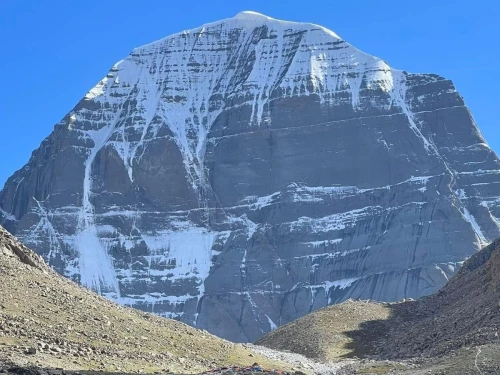
Mount Kailash Kora Tour, a mountain revered by Buddhists, Jains, Hindus, and Bon devotees, is one of the most sacred sites. To obtain spiritual merit, pilgrims perform the well-known Kailash Kora during the Tibet pilgrimage tour package.
Nearby is the immaculate Lake Mansarovar, one of the world's highest freshwater lakes, where pilgrims and tourists engage in meditation, rituals, and scenic exploration along its pristine shores.
The majority of Tibet tours start in Lhasa, the spiritual and cultural centre of Tibet, where tourists can witness traditional Tibetan life and pilgrimage customs at famous sites like the Potala Palace, Jokhang Temple, and the busy Barkhor Street.
As you move west, you can see striking monasteries like Tashilhunpo Monastery and traditional Tibetan architecture in the ancient cities of Gyantse and Shigatse. Scenic overland travel along the well-known Friendship Highway offers breathtaking views of vast plateau landscapes, turquoise lakes, and snow-capped Himalayan peaks.
The overland trip to Everest Base Camp, where visitors can see Mount Everest's majestic north face from one of the world's closest road-access viewpoints, is another unforgettable experience. Beautiful high-altitude lakes like Namtso Lake, which is renowned for its crystal-blue waters and striking mountain scenery, are also open for exploration by nature lovers.
A Tibet tour Package is an amazing combination of spiritual pilgrimage, cultural exploration, and Himalayan adventure travel as travellers encounter Tibetan Buddhist culture through monastery visits, prayer ceremonies, vibrant festivals, traditional markets, and interactions with monks.
Tibetan Buddhism has a significant influence on Tibetan culture, with monasteries acting as hubs for social, intellectual, and spiritual activities. Prayer ceremonies, rotating prayer wheels, and vibrant prayer flags that adorn streets, villages, and holy places are all visible to visitors.
While local markets and streets like Barkhor Street provide an insight into daily Tibetan life, traditional festivals showcasing mask dances, music, and religious rites highlight the region's rich heritage.
Tibet is one of the most significant Buddhist pilgrimage sites in the world because religion plays a major part. Devotees and tourists looking for spiritual experiences are drawn to holy locations like Mount Kailash, Lake Mansarovar, and Jokhang Temple.
Anyone visiting Tibet will have a culturally immersive experience thanks to the influence of religious traditions on architecture, festivals, art, and everyday life, from traditional Tibetan attire, handicrafts, and thangka paintings to the rhythms of community life.
To enter Tibet, all foreign visitors must obtain a Tibet Travel Permit, which is arranged by a certified tour operator. The Tibet Tourism Bureau has authorised the permit, which is needed prior to travel.
Since the permit is linked to the itinerary, visitors can only enter Tibet with a confirmed tour package. Once the permit is validated, travellers are permitted entry upon arrival at Lhasa Gonggar Airport or at authorised overland border points from China or Nepal.
Restricted areas, such as Mount Kailash, Lake Mansarovar, and other pilgrimage or high-altitude regions, might require additional permits. All paperwork is handled by licenced tour operators, guaranteeing a seamless and lawful entry into Tibet.
A Tibet tour package from Nepal offers a distinctive taste of the region's traditional Himalayan cuisine, which is influenced by Tibetan culture and the high-altitude environment.
In addition to well-known dishes like Momo dumplings, Thukpa noodle soup, traditional Butter Tea, and yak-based dishes made with ingredients sourced locally, visitors can savour authentic local cuisine like Tsampa, a roasted barley flour staple of Tibetan communities. These meals give you energy and warmth, both of which are crucial when traversing the high-altitude Tibetan Plateau.
The majority of planned Tibet tour itineraries include meals that blend well-known international dishes with traditional Tibetan fare, guaranteeing visitors' comfort while letting them sample regional flavours.
Particularly in large cities, restaurants serve a variety of Asian and continental dishes; vegetarianism and special dietary requirements are typically accommodated.
Along with Tibetan dairy products, fresh vegetables, and warm beverages served during sightseeing, overland drives, and pilgrimage routes throughout Tibet, travellers can also savour straightforward but nutritious meals prepared for high-altitude travel.
In major cities like Lhasa, Shigatse, and Gyantse, accommodations during a Tibet tour usually consist of cosy 3-star and 4-star hotels with private rooms, attached bathrooms, hot showers, and basic modern amenities.
Accommodations are typically found in basic guesthouses or lodges that are appropriate for high-altitude travel in more isolated pilgrimage locations like Darchen, which is close to Mount Kailash.
Traditional Tibetan architecture and regional décor can be found in many hotels, and larger cities offer luxury hotel options for those looking for extra comfort.
Depending on your itinerary and preferences, you can travel to Tibet by road or air. The quickest and most comfortable route to Tibet is via Lhasa Gonggar Airport, which receives flights from Kathmandu, Nepal, as well as from Chinese cities like Chengdu and Xi'an.
One of the most well-liked options for Tibet tours from Kathmandu, overland tours from Nepal via the Friendship Highway offer a breathtaking journey across high-altitude landscapes, valleys, and mountain passes for those looking for scenic adventure.
In Tibet, sightseeing, airport transfers, and pilgrimage routes like Mount Kailash Kora are managed by private vehicles with skilled drivers and guides. Large roads that provide expansive views of the Himalayas and connect cities and landmarks include the Friendship Highway and the G318 Highway. Tour operators make sure that travel across the high-altitude Tibetan Plateau is safe, comfortable, and well-organised, whether by air or road.
Since the weather is ideal for sightseeing, trekking, and spiritual pilgrimages, April through October is thought to be the ideal time to visit Tibet. Spring (April-June) is a great time for visiting Tibetan cities and monasteries because the valleys are blooming with flowers, the skies are clear, and the temperatures are moderate.
Summer (July-August) is warmer and offers lush landscapes, though lower regions may experience occasional rains. Autumn (September-October) offers the most stable weather, crisp air, and breathtaking panoramic views of the Himalayas, making it ideal for photography and high-altitude travel.
Winter (November-March) brings extreme cold and snow-covered mountain passes, limiting access but providing serene landscapes and fewer tourists for those prepared for the harsh conditions.
Visiting during the recommended months ensures comfortable high-altitude travel, safer trekking and driving, and a more enjoyable experience of Tibet's cultural, spiritual, and natural attractions.
1: Do I need a visa or permit to visit Tibet?
A Tibet Travel Permit issued by the Tibet Tourism Bureau is required for all foreign visitors, and additional permits are required for restricted areas such as Lake Mansarovar and Mount Kailash. Booking a full Tibet tour package, where your operator will handle all permits, transportation, and guidance, is the simplest way to handle this. This guarantees that you won't have to worry about paperwork and can concentrate on enjoying the trip.
2: What is the best time to visit Tibet?
April through October is the best time of year to visit Tibet. Autumn offers stable weather and breathtaking views of the Himalayas, while spring offers blooming valleys and clear skies. You can take part in regional celebrations and engage in outdoor pursuits like high-altitude hiking, photography, and sightseeing when you travel during these times.
3: How many days should I plan for a Tibet tour?
You can customise a Tibet tour to fit your schedule. While longer itineraries may include Mount Kailash, Lake Mansarovar, Shigatse, and Gyantse, shorter trips typically visit Lhasa, Potala Palace, Jokhang Temple, and nearby monasteries. To make your trip more comfortable and rewarding, think about adding extra days for acclimatisation and optional trips to locations like Namtso Lake.
4: What are the must-visit destinations in Tibet?
With the Potala Palace, Jokhang Temple, and Barkhor Street, Lhasa is the spiritual and cultural centre that visitors shouldn't miss. Gyantse features the ancient Tibetan streets and Kumbum, while Shigatse offers the experience of the Tashilhunpo Monastery. Highlights for spiritual travel include Lake Mansarovar and Mount Kailash Kora. Extra scenic beauty can be found on optional excursions to highland valleys or Namtso Lake.
5: Is Tibet safe for tourists?
Tibet is regarded as a safe place with friendly residents and low crime rates. High altitude conditions are the primary concern, so acclimatisation and hydration are crucial. Enrolling in a guided tour guarantees easy travel, cultural awareness, and support in isolated locations, making your trip safe and pleasurable.
6: How do travellers reach Tibet?
The majority of visitors take the Friendship Highway from Nepal or fly to Lhasa Gonggar Airport from cities like Kathmandu, Chengdu, or Beijing. For sightseeing, tour operators usually set up private cars, airport pickups and guided transportation, making it simple and stress-free to traverse the plateau.
7: What accommodation is available during Tibet tours?
In major cities, lodging options range from three- and four-star hotels to guesthouses or simple lodges in isolated locations like Darchen. Many hotels blend contemporary amenities with traditional Tibetan design, and guided tours typically guarantee relaxing overnight stays and appropriate acclimatisation. Some operators also provide premium hotel upgrades for those looking for luxury.
8: What food can travellers expect in Tibet?
Traditional Tibetan cuisine includes butter tea, momos, tsampa, thukpa, and yak meat. Vegetarian options are common, and the majority of tour packages offer a combination of regional and foreign cuisine. In high-altitude regions, meals are warm and nourishing to maintain your energy levels. Tasting regional cuisine enhances your trip's cultural experience.
9: Can I include Mount Kailash and Lake Mansarovar in a Tibet tour?
Yes. Mount Kailash Kora and Lake Mansarovar, two of the most beautiful and spiritual locations in the area, are frequently included in lengthy Tibet tours. By visiting these locations, you can partake in pilgrimage rites, meditation, and stunning scenery, making your trip to Tibet both spiritually fulfilling and culturally rich.
10: Is Tibet suitable for first-time travellers?
Yes, but since permits and guided travel are required, first-time visitors must join organised tour groups. You can safely navigate Tibet, properly acclimatise, and take in all of the natural and cultural attractions with the help of a qualified guide. In order to comfortably adjust to the high-altitude environment, first-timers are advised to schedule slightly longer trips.
11: What makes Tibetan tourism unique compared to other Himalayan destinations?
Tibet offers unique high-altitude scenery, historic monasteries, and spiritual travel. While regional celebrations and customs offer cultural immersion, pilgrimage sites like Mount Kailash and Lake Mansarovar offer distinctive religious significance. Tibet is a once-in-a-lifetime travel destination because of its serene and pristine surroundings.
12: How should travellers prepare physically for a Tibet tour?
Because some destinations are at high altitudes, it is advised to increase your cardio and endurance before your trip. Altitude sickness can be avoided by gradually acclimating, staying hydrated, and taking quick breaks while hiking. Comfort is ensured by bringing layered clothes, sunscreen, and any required medications. Before travelling to Tibet, visitors with respiratory or cardiac issues should see a physician.