Makalu Base Camp Trek

rating starbased on 2 reviews
Makalu Base Camp Trek
At a Glance
  • Duration17 Days
  • DestinationNepal
  • Difficulty Level Strenuous
  • Maximum Altitude4870m
  • ActivityOff the Beaten Remote Trekking
  • Group Size1-20
  • StartsKathmandu
  • EndsKathmandu
  • Best SeasonMarch-May & September-November
Makalu Base Camp Trek Highlights
  • This remote and off-the-beaten-path Himalayan trek in eastern Nepal is ideal for experienced trekkers looking for solitude and untouched landscapes away from crowded trails.
  • A scenic flight to Tumlingtar, followed by a drive to Num, marks the beginning of a true wilderness trekking adventure in Arun Valley.
  • Explore the pristine and biodiverse Makalu-Barun National Park, which is known for its diverse flora, fauna, and breathtaking natural beauty.
  • Discover a diverse range of landscapes, from subtropical forests and terraced fields to alpine meadows, rocky ridges, and glacial valleys.
  • Pass through traditional villages such as Seduwa and Tashigaon, which provide insights into local Rai and Sherpa culture, lifestyle, and mountain traditions.
  • Cross challenging high ridges and passes, such as Khongma Danda, for rewarding views and a true high-altitude trekking experience.
  • Follow beautiful river valleys and trails along the Arun River, crossing suspension bridges and rough ground.
  • Slowly climb with a day set aside for acclimatisation, which makes it easier for your body to adjust to the higher altitude and makes the trek safer.
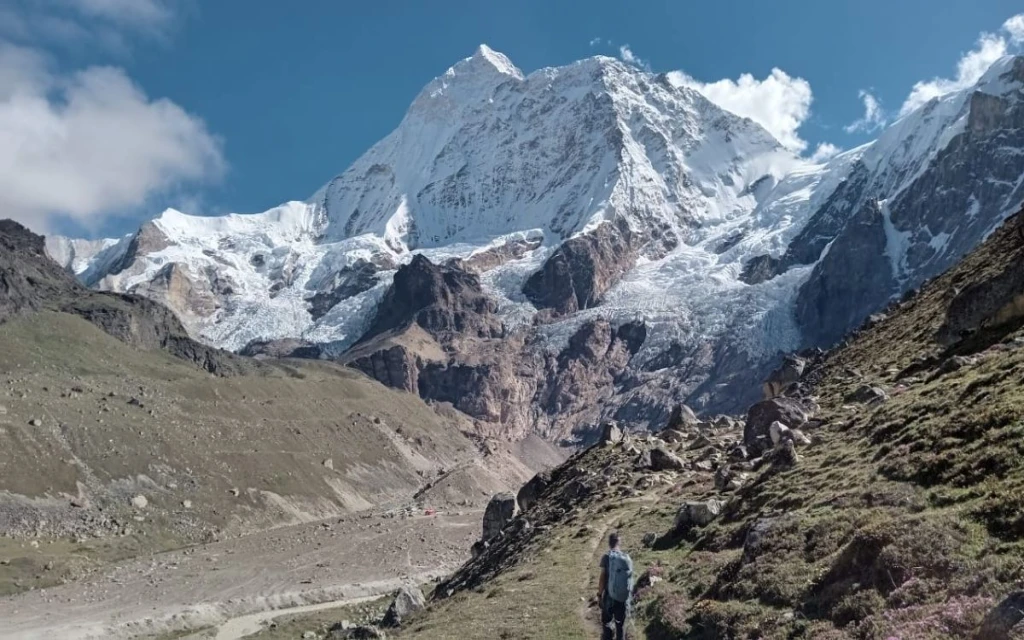
  • Get to the beautiful Makalu Base Camp, which is surrounded by glaciers and tall Himalayan peaks.
  • Get up close and personal with Mount Makalu (8,485 m), the fifth-highest mountain in the world, and other nearby peaks.
  • Experience real teahouses and remote lodges on this wilderness trek to make it more real.
  • The Makalu trek features hard walking that takes you to the beautiful, remote, and natural parts of the Himalayas.
  • A carefully planned 17-day trip that includes adventure, culture, high-altitude hiking, and stunning mountain views.

The 17 Days Makalau Base Camp Trek is a remote and high-altitude trek in eastern Nepal. It's for people who really want a tough high-altitude adventure in one of the least explored parts of the Nepali Himalayas.

It takes you deep into the Makalu Barun National Park, a protected area known for its amazing biodiversity. The park has subtropical forests at lower elevations (800m to 1000m) and alpine and glacial landscapes above 4,000m.

Also, the challenging high-altitude trekking starts with a scenic flight to Tumlingtar, then a scenic drive to Num (1500 m), which takes you from lowland terrain to more remote mountain trails.

The Restricted Makalu Base Camp Trek Route goes through the peaceful Arun Valley and up through villages like Seduwa (1500 m) and Tashigaon (2100 m). Along the way, travellers can learn about the local Rai and Sherpa communities, their traditional ways of life, and how they farm in the mountains.

As you go along the Makalu trek, the trail gets rougher and harder on your body. This is especially true around the Khongma Danda (3500–3700 m), where you will be crossing high ridges and experiencing real high-altitude trekking conditions.

Our team of expert staff and guides has put together this once-in-a-lifetime trek to the Makalu Base Camp. One of the best things about this itinerary is that it gradually gains altitude and helps you get used to it, with a day dedicated to acclimatisation at Yangle Kharka (3600 m), which lowers the risk of altitude sickness.

As you make your way to Makalu, you'll see the landscape change dramatically as you go up in elevation. You'll go from dense forests and river valleys to alpine meadows, rocky terrain, and glacial moraines. This shows off the raw and varied geography of the Makalu region trek.

The Makalu Base Camp (4,870 m) is the final stop on this 17 days adventure. It is a beautiful and remote place surrounded by glaciers and tall Himalayan peaks. Depending on the weather, trekkers can see Mount Makalu (8,485 m) up close from the base camp, as well as nearby peaks like Baruntse and distant peaks like Everest and Lhotse.

Compared to other well-known trekking destinations like the Everest Base Camp Trek or the Annapurna Circuit Trek, the lodging in the high-altitude Makalu region is basic and limited, consisting of basic teahouses and lodges with fewer amenities. 

The long Makalu Base Camp Trekking Package, which includes long trekking days, considerable elevation gain, limited infrastructure, and remote trekking trails, is best suited for experienced and physically fit hikers.

But travellers who want to see the Makalu region don't have to worry because the 17-day itinerary is carefully planned to include adventure, safety, and exploration, with proper acclimatisation, a slow ascent, and a return trip on the same route.

Overall, the trek to Makalu Base Camp is a true wilderness experience that combines high-altitude challenges, cultural experiences, and some of the most untouched and dramatic mountain scenery in Nepal.

In Conclusion, Mount Glory Treks has opened early booking for the year 2026/2027. If you are planning a long and off the beaten less crowded trekking journey in Nepal, the Makalu Trek is the best choice.

Why you should do the Makalu Base Camp Trek in Nepal?

The Makalu Base Camp Trek's itinerary and highlights show how different and exciting this trip is. If you're still not sure if this trek is right for you, here are some important things that set it apart:

  • This trek is ideal for travellers looking for an authentic expedition-style trekking experience without the crowds found on more popular routes such as Everest or Annapurna.
  • It provides a unique opportunity to explore one of Nepal's least-visited regions, giving you the chance to see the Himalayas in their most raw and untouched form.
  • The route is ideal for those who prefer longer, more immersive trekking trips, with each day feeling like a deeper step into remote mountain terrain.
  • Unlike many treks, this one requires endurance, patience, and adaptability, which makes it more rewarding for serious trekkers.
  • Because the trail is less commercialised, you can enjoy simple mountain living, basic lodges, and genuine local interactions instead of tourist-heavy stops.
  • If you like to walk in different kinds of weather, this trek is a great choice. It goes through forests, rivers, high ridges, and alpine areas.
  • The itinerary is set up so that you have enough time to really take in the sights and sounds of the area instead of rushing through them.
  • Many parts of the trail feel completely alone, so it's great for hikers who want to be alone, in peace, and with nature.
  • It's a personally rewarding Himalayan challenge that lets you push yourself to the limit while still being doable with the right preparation.

How to Prepare for the 17 Days Makalu Base Camp Trek?

Since the Makalu region is one of Nepal's most isolated and physically taxing high-altitude trekking routes, preparation is crucial. At Makalu Base Camp, the journey reaches a height of 4,870 metres and passes through remote areas with few amenities and lengthy hiking days. A successful experience, comfort, and safety are guaranteed with careful planning.

Here are the main things you should do before embarking on the journey:

  • Increase your level of physical fitness at least six to eight weeks ahead of time by engaging in regular cardio activities like long-distance walking, cycling, running, and stair climbing. You can manage steep climbs and descents on rough mountain trails by strengthening your legs and core.
  • As parts of the Makalu Base Camp Trek route inside Makalu-Barun National Park require constant uphill and downhill walking for several days, practise hiking with a backpack to become accustomed to carrying weight on uneven terrain.
  • Investigate the trekking route, altitude gain, weather, and daily walking hours in great detail. Knowing the itinerary well will help you mentally prepare for long trekking days because this is a remote area.
  • To prevent blisters and discomfort during the trek, break in your trekking boots before you travel to Nepal. For safety on rocky and wooded trails, well-fitting, worn boots are crucial.
  • Pack appropriately for the Makalu trekking conditions, including waterproof clothing, warm layers, and a premium sleeping bag that can withstand below-freezing temperatures at higher elevations.
  • After speaking with your doctor, bring basic first aid supplies, personal medication, water purification tablets, ORS, and medication for altitude sickness.
  • Mental preparation is just as crucial. Trekkers should be prepared for a true wilderness trekking experience because the Makalu region is remote, has basic amenities, little connectivity, and simple lodging.
  • Additionally, since there are no ATMs along the trekking route and digital payment options are unavailable in remote villages, it is advised to bring enough cash.

Makalu Base Camp Trek Altitude

Trekkers travel from low river valleys to the isolated base of Mount Makalu (8,485 m), a genuine high-altitude Himalayan adventure. Altitude awareness is crucial because the route involves a gradual and difficult elevation gain through forests, ridges, and glacial landscapes.

Throughout the trek, the landscape shifts dramatically, from alpine zones close to Makalu Base Camp to tropical lowlands in the Arun Valley. Trekkers can better prepare for acclimatisation and extended trekking days in remote areas by being aware of the elevation profile.

The Makalu Base Camp Trekking route's elevation chart is shown below:

Trel LocationElevation in Meters
Kathmandu1400m
Tumlingtar410m
Num1560m
Seduwa1500m
Tashigaon2100m
Khongma Danda3500m
Dobato3650m
Yangle Kharka3600m

Langma Le Kharka

4200m
Makalu Base Camp4870m

Why Choose Mount Glory Treks for the Makalu Base Camp Trek?

When planning a remote and demanding journey like the Makalu Base Camp Trek, selecting the right trekking company is one of the most important decisions to make. Unlike popular trekking routes, this trip necessitates expert planning, experienced guides, and dependable support, so your choice of agency is critical for both safety and overall experience.

Mount Glory Treks stands out as a reliable and experienced local operator, with over a decade of experience organising high-altitude treks throughout Nepal, including difficult routes such as the Makalu region.

We are fully registered with the Nepal Tourism Board and affiliated with organisations such as Trekking Agencies Association Nepal (TAAN) and Nepal Mountaineering Association(NMA), so your Makalu Base Camp Trek is professionally managed, safe, and well-coordinated from beginning to end.

Here's why trekkers prefer Mount Glory Treks for the Makalu Base Camp Trek

  • Our Makalu Base Camp Trek (17 Days) is meticulously planned, with adequate acclimatisation, realistic walking hours, and a balanced itinerary appropriate for high-altitude trekking.
  • We specialise in remote and off-the-beaten-path treks, ensuring seamless logistics even in less developed areas such as Makalu-Barun National Park.
  • Transparent pricing with no hidden costs provides clarity and confidence when planning your Himalayan adventure.
  • Experienced and licenced guides with extensive knowledge of the Makalu region will ensure safety, navigation, and cultural insight throughout the trek.
  • Strong logistical support, including accommodation planning, permits, transportation, and coordination in remote areas with limited facilities.
  • Trekking options are customisable, allowing you to change the itinerary, pace, or services to suit your fitness level and travel preferences.
  • Reliable emergency support and preparedness, which is especially important for a high-altitude trek to Makalu Base Camp (4,870 metres).
  • Quality trekking gear, such as duffel bags, sleeping bags, and essential equipment, will help make your journey more comfortable.
  • The booking system is simple and secure, with responsive communication via WhatsApp, email, or direct contact before and during your trek.
  • A proven track record of hundreds of successful treks provides peace of mind when selecting a company for such a challenging expedition.

At Mount Glory Treks, we combine local knowledge, professional planning, and a thorough understanding of remote Himalayan trekking to provide a safe, smooth, and unforgettable Makalu Base Camp Trek experience.

Makalu Base Camp Trek Cost for 2026/2027

Mount Glory Treks offers the 17 Days Makalu Base Camp Trek cost starting with USD 2250 for a solo traveller, and the price goes down to USD 1650 Per Person for 10 or more travellers travelling in a group. The prices are different based on local companies or international companies, and it depends on the services included in the package.

For more details about group prices, please check the breakdown table below.

No of TravelersCost Per PersonFor Booking
1-1USD 2250Book Now
2-3USD 1990Book Now
4-6USD 1850Book Now
7-9USD 1750Book Now
10-20USD 1650Book Now

Note: If travellers have a big group or want to join our group departure, then they can directly contact us our operations team for a special group price.


Itinerary

When you get to Tribhuvan International Airport in Kathmandu, our staff will greet you and take you to your hotel. Depending on what time you arrive, you can either relax and recover from your trip or go out and see the sights in the area after check-in.

There will be a short briefing about the Makalu Base Camp Trek itinerary in the evening. This will include important information about permits, how to get ready, and what to expect during the trek in the remote Makalu region. This day is mostly for resting, getting ready, and making the final plans for the trip to eastern Nepal.

    After breakfast in Kathmandu, you take a morning flight to Tumlingtar. The flight takes you over beautiful hills and river valleys. When you get there, you relax for a bit and then take a jeep ride to Num.

    The drive goes through small towns and up and down hills, with the scenery changing all the time. You get to Num village by evening and stay the night in a teahouse to get ready for the next part of your trek.

      Today is the start of the trek on this package. The first part is a steep downhill walk from Num to the Arun River, where you will walk through dense forest trails and farmland paths. You cross a suspension bridge after you get to the river, and then you start a steady climb up stone steps through small villages.

      As you go up in elevation, the trail gets quieter and more remote. You pass by houses, small fields, and forested areas. You get to Seduwa, a quiet village, by late afternoon. You stay there overnight to rest before the next part of the trek.

        From Seduwa (1,500 m), the trail goes up steadily through forests, small villages, and terraced fields. The path goes mostly uphill, but it's quiet and beautiful, going through small towns and cardamom farms.

        After climbing for several hours straight, you reach Tashigaon (2,100 m), the last big village on the way. Stay in a teahouse overnight as the trek gets ready to go into more remote areas.

          On this day, the trail begins a long, steady climb through dense rhododendron and oak forest. The climb is continuous, with stone stairways and narrow mountain paths, making it one of the most difficult walking days thus far.

          As you go up, the air gets noticeably cooler, and the area around you gets more remote. There are quiet forest areas and open ridges that let you see the valley below.

          You get to Khongma Danda (3,500 m), a high ridge settlement, by late afternoon. You stop there for the night to rest and get ready for the high-pass crossings that are coming up

            From Khongma Danda (3,500 m), the path goes along a beautiful high ridge with easy climbs and descents through thick alpine forest. The walk is calm, with a remote mountain feel and some open areas where you can see the Himalayas on clear days.

            The route feels quieter and more isolated today as it goes through rhododendron-covered paths and soft forest terrain at a steady height. You get to Dobato (3,420 m) in the afternoon. It's a small forest settlement where you spend the night in a teahouse to get ready for the early morning hike.

              You start your journey early in the morning, after breakfast. The trail goes through wooded paths before opening up into a wider valley. As the Barun River flows, the path slowly changes from thick woods to more open land.

              The valley gets rougher and bigger as you go deeper into it. The rocky parts and alpine scenery take the place of the forest trails you saw earlier. There are fewer settlements along the way, which makes the walk feel more remote. You get to Yangle Kharka (3,600 m) by late afternoon. It's a quiet place by the river where you can rest and sleep before the higher-altitude parts of the trip.

                Today is a planned acclimatisation day at Yangle Kharka (3,600 m) to help your body get used to the higher altitude. To help your body get used to the higher altitude, you can follow the "climb high, sleep low" rule and go on a short walk to a higher place and back.

                You spend the rest of the day resting, drinking water, and letting your body heal. This day is important for lowering the risk of altitude sickness before moving on to higher elevations on the Makalu Base Camp route.

                  After a relaxing day at Yangle Kharka, the trail goes deeper into the Barun Valley, where you walk steadily uphill on rocky paths and open ground. The area becomes more alpine and open, with fewer trees and better views of the mountains.

                  You slowly climb up to Langma Le Kharka (4,200 m), a high-altitude grazing area where you spend the night before moving closer to Makalu Base Camp.

                    Today's trip goes deeper into the Himalayas, where the trail steadily climbs over rocky paths, moraine sections, and glacial scenery. The land gets more rugged and powerful, and huge peaks start to close in on you.

                    As you move forward, the mountains' silence and the vastness of the area around you give you an unforgettable feeling of being alone and on an adventure. With each step, you get closer to one of Nepal's most remote base camps.

                    By the afternoon, you reach Makalu Base Camp (4,870 m), a stunning amphitheatre of ice and rock below the huge Himalayan mountains. This is a very rewarding moment, the best part of the whole trip.

                      You finally made it to your destination after a long hike, which is why we set aside a day for you to explore Makalu Base Camp. Today is all about taking in the full beauty of the Himalayan amphitheatre. You can walk around the area and get up close and personal with glaciers and tall peaks. You'll also get to see the wildness of the area.

                      This is also an important day to rest and get used to the altitude and scenery. The day is laid-back and focused on taking pictures, going for short walks, and enjoying one of Nepal's most remote high-altitude landscapes.

                        After enjoying the trek's main destination, you will begin your return journey. The trail goes back through alpine landscapes, slowly going down from the high mountains to the wider valleys. The walk is long, but as you go down, it gets easier on your lungs.

                        Along the way, you go through open valleys, rocky areas, and quiet wilderness scenes. You get to Yangle Kharka (3,600 m) by late afternoon. You stay the night there and rest after the descent.

                          The path goes down steadily through alpine valleys and forested areas, moving away from the high mountain zone. Furthermore, the trail has a mix of flat and hilly parts, with some short uphill sections.

                          As you go down, the landscape gets greener and more familiar, and rhododendron forests start to show up again. You get to Khongma Danda (3,500 m) by the afternoon, where you stay the night and rest.

                            As you get closer to the end of your hike, the trail goes down steadily from the high ridge and through forested paths, stone steps, and small settlements. The air becomes warmer as you move lower, and the landscape gradually shifts back to lush green hills.

                            After a continuous downhill walk with a few gentle climbs in between, you arrive at Seduwa (1,500 m). You stay here for the night and rest after finishing the higher mountain part of the trip.

                              This is the final day of your trek on foot. The day begins with a steady descent through forest trails and terraced landscapes, gradually progressing towards the lower valleys. As you approach the river basin, the path becomes warmer and more vibrant, passing through rural settlements and farmland.

                              After crossing the Arun River, you enter the lower region and continue your jeep drive to Tumlingtar. The journey passes through scenic hills and village roads, providing a final glimpse of the eastern Nepal countryside before arriving in town for an overnight stay.

                                After breakfast in Tumlingtar, you'll take a scenic flight back to Kathmandu. The aerial journey provides a final view of the hills, river valleys, and distant Himalayan ranges.

                                When you arrive in Kathmandu, you will be transferred to your hotel. After completing the trek, you have the rest of the day free to relax, rest, or explore the city.

                                  On this day, you will be transferred from your hotel in Thamel to Tribhuvan International Airport in a private vehicle. Our staff will pick you up nearly three hours before your flight and drop you off at the airport for your return flight home. This marks the end of our 17 days trek package.

                                    What's Included
                                    • Airport / Hotel / Airport pick-up & drop-off by private tourist vehicle.
                                    • 2 Nights 3 Star Accommodation in Kathmandu with BB plan.
                                    • All your standard Meals during the trek (Breakfast, Lunch, and Dinner).
                                    •  Standard Guest House accommodation while trekking on a twin/triple-sharing basis.
                                    • Airfare from Kathmandu to Tumlingtar - Kathmandu includes the airport departure tax in Kathmandu.
                                    • Well, I English-speaking Government License Holder and Experienced Trek leader/Guide.
                                    • Porter Service(1 porter for 2 Travelers).
                                    • Food, Accommodation, salary, insurance, and equipment are for all staff.
                                    • Free Mount Glory Duffle, Sleeping Bag: Return After Trek and Company T-shirt.
                                    • Makalu Special Restricted Area Permit and Makalu Barun Conservation Area Permit.
                                    • All government, hotel, and other applicable taxes.
                                    • Farewell dinner in a typical Nepali Restaurant.
                                    • Trip Completion Certificate.
                                    • Official expenses.
                                    What's not Included
                                    • International Airfare and taxes.
                                    • Personal Travel Insurance.
                                    • Nepal Entry Visa Fee.
                                    • Hotel, Lunch, and Dinner in Kathmandu.
                                    • All items of personal expenses.
                                    • Tipping for guides, porters, and drivers(tipping is expected).
                                    • Any other expense that is not mentioned in the " Price Includes " section.

                                    Useful Information

                                    Makalu Base Camp Trek Packing List

                                    The 17-day Makalu Base Camp Trek is a remote, high-altitude adventure in the eastern Himalayas, so having the proper equipment is crucial. Because the weather in the vicinity of Makalu Base Camp (4,870 m) varies from warm low valleys to freezing alpine zones, layered and reliable equipment is essential.

                                    Sleeping bags and duffel bags are provided by Mount Glory Treks during the pre-trek briefing in Kathmandu. However, hikers need to pack their own clothing and gear. You can also purchase or rent additional equipment in Thamel, Kathmandu.

                                    An organised packing list for the Makalu Base Camp Trek is provided below:

                                    Clothing

                                    • Trekking T-shirts
                                    • Thermal base layers 
                                    • Fleece jacket or mid-layer
                                    • Insulated down jacket
                                    • Waterproof and windproof shell jacket
                                    • Trekking pants
                                    • Thermal leggings
                                    • Warm hat/beanie
                                    • Sun hat or cap
                                    • Gloves
                                    • Trekking socks 
                                    • Sturdy trekking boots 
                                    • Lightweight sandals

                                    Gear & Equipment

                                    • Comfortable trekking backpack (30–50L)
                                    • Duffel bag
                                    • Trekking poles 
                                    • Sleeping bag 
                                    • Headlamp with extra batteries
                                    • Water bottles or hydration bladder
                                    • Sunglasses with UV protection
                                    • Backpack rain cover

                                    Personal & Toiletries

                                    • Sunscreen
                                    • Lip balm with UV protection
                                    • Quick-dry towel
                                    • Wet wipes and tissues
                                    • Hand sanitizer
                                    • Basic soap and shampoo
                                    • Toothbrush and toothpaste

                                    Health & First Aid

                                    • Personal prescription medicines
                                    • Painkillers and basic cold medication
                                    • Blister plasters / band-aids
                                    • Antiseptic cream
                                    • Electrolyte powder or hydration salts
                                    • Altitude sickness medication

                                    Electronics & Extras

                                    • Camera or GoPro for high-altitude photography
                                    • Power bank 
                                    • Charging cables and universal adapter
                                    • Lightweight snacks (energy bars, nuts, chocolate)

                                    This packing list was created especially for the Makalu Base Camp Trekking route, where the weather can change rapidly and having the right equipment has a direct impact on comfort, safety, and the overall trekking experience.

                                    Best Time for the Makalu Base Camp Trek

                                    The Makalu Base Camp Trek is a remote and high-altitude journey where weather conditions can greatly affect safety, trail conditions, and mountain visibility. Therefore, choosing the right season is essential to a successful trek.

                                    Autumn (September to November)

                                    Most people agree that the Makalu Base Camp Trek is best done in the autumn. This time of year is perfect for high-altitude trekking because of the consistent weather and clear skies.

                                    Mount Makalu and other Himalayan peaks are clearly visible in the clear, crisp post-monsoon air. Long trekking days are more comfortable because of the dry trails and moderate temperatures. For hikers looking for the best combination of unobstructed views, consistent weather, and secure trekking conditions, this season is ideal.

                                    Spring (March to May)

                                    Another excellent time of year to go trekking at Makalu Base Camp is in the spring. Temperatures are steadily rising, visibility is good, and the weather is generally stable.

                                    Particularly in Makalu-Barun National Park, lower portions of the trail come alive with a variety of flora and blooming rhododendron forests. This time of year is perfect for people who love the outdoors and mountain views because it provides a good mix of trekking conditions and scenic beauty.

                                    Winter (December to February)

                                    Trekking to Makalu Base Camp in the winter is feasible but more difficult. Higher elevations may see snow and icy trails, and temperatures drop dramatically, particularly above 3,500 metres.

                                    But on stable days, this season offers peaceful trails, fewer hikers, and pristine mountain views. It is ideal for seasoned hikers seeking a more secluded Himalayan experience and well-prepared for cold weather.

                                    Monsoon (June to Early September)

                                    The Makalu Base Camp Trek is generally not advised during the monsoon season because of the heavy rainfall, slick trails, and possibility of landslides, particularly in lower regions.

                                    Leeches can be prevalent in wooded areas, and cloud cover frequently obscures views of the mountains. But the scenery gets lush and colourful, which might appeal to seasoned hikers looking for a more difficult and uncrowded experience.

                                    All things considered, autumn and spring are the ideal seasons for the Makalu Base Camp Trek because they provide the most consistent weather, unobstructed mountain views, and secure trekking conditions; winter and monsoon are better suited for seasoned and well-prepared adventurers.

                                    Food During the Makalu Base Camp Trek

                                    Your body needs wholesome, high-energy meals during the Makalu Base Camp Trek to withstand the long trekking days and rising altitude. Food options are simpler than in more well-known trekking locations because of the area's remoteness, but they are still freshly prepared, satisfying, and appropriate for trekking.

                                    The 17-day trekking package includes three meals a day: breakfast, lunch, and dinner. These meals are served at local teahouses and lodges along the way.

                                    Breakfast

                                    • Porridge with honey or dried fruits
                                    • Tibetan bread, chapati, or toast with jam
                                    • Eggs such as boiled, fried, scrambled, or omelette
                                    • Pancakes
                                    • Muesli or cornflakes with milk
                                    • Tea, coffee, hot chocolate, or lemon ginger honey

                                    Lunch

                                    • Dal Bhat with rice, lentils, and vegetables
                                    • Fried rice with vegetables or egg
                                    • Noodles or simple noodle soup
                                    • Pasta or macaroni
                                    • Vegetable or egg curry with rice or chapati
                                    • Light soups such as vegetable or garlic soup

                                    Dinner

                                    • Dal Bhat with refillable servings
                                    • Potato dishes such as boiled, fried, or curry
                                    • Noodle soup or pasta
                                    • Vegetable curry with rice or chapati
                                    • Simple local meals depending on availability

                                    As you get closer to Makalu Base Camp, there are fewer food options, but the meals are still high in energy and good for trekking at high altitudes.

                                    Please keep in mind that tea, coffee, cold drinks, and snacks are not usually included in the package and can be bought separately at teahouses.

                                    In conclusion, the food on the Makalu Base Camp Trek is simple, healthy, and made to keep you going on this hard journey through the Himalayas.

                                    Makalu Base Camp Trekking Accommodation

                                    Because the 17 Days Makalu Base Camp Trek is in a remote area, the accommodations are simple and basic. During the trip, trekkers stay in local teahouses, lodges, and guesthouses.

                                    Rooms in lower areas like Tumlingtar, Num, and Tashigaon are fairly comfortable and have basic bedding. As you get closer to Khongma Danda, Yangle Kharka, and Makalu Base Camp, there are fewer facilities, and most of the rooms are twin-sharing or dorm-style.

                                    Bedrooms are not heated, but dining rooms typically have a central stove for warmth. Bathrooms are shared, and hot showers are limited, particularly at higher elevations. Electricity and charging stations are available in some locations for an additional fee, but Wi-Fi and mobile networks are generally unreliable.

                                    The accommodations in the Manaslu region are simple but functional, providing an authentic and realistic experience of trekking in one of Nepal's most remote Himalayan regions.

                                    Altitude Sickness on the Makalu Base Camp Trek and How to Prevent It

                                    The remote Makalu Base Camp Trekking Trail reaches high elevations of around 4,870 m, making altitude sickness a serious concern during this remote Himalayan journey. As you ascend the trail, particularly beyond Khongma Danda and Yangle Kharka, your body needs time to adjust to the lower oxygen levels.

                                    Common Symptoms of Altitude Sickness

                                    • Headache
                                    • Dizziness or light-headedness
                                    • Nausea or loss of appetite
                                    • Fatigue and poor sleep
                                    • Shortness of breath, even at rest

                                    Although the Makalu trek itinerary is designed for a gradual ascent, trekkers should be aware of these symptoms, particularly at higher elevations near Makalu Base Camp and the Makalu-Barun National Park.

                                    How to Prevent Altitude Sickness

                                    • The itinerary includes a dedicated acclimatisation day at Yangle Kharka (approximately 3,600 m), which is required for proper elevation adjustment.
                                    • Follow the "climb high, sleep low" principle whenever possible, allowing your body to adjust gradually.
                                    • Stay hydrated by drinking 3-4 litres of water per day, and avoid alcohol and excessive caffeine.
                                    • Consume high-carbohydrate meals such as rice, noodles, and dal bhat to maintain energy levels and aid in acclimatisation.
                                    • Maintain a slow and steady trekking pace; avoid rushing, even if you feel comfortable at lower elevations.
                                    • Before embarking on the trek, consult with your doctor about preventive medication such as Diamox (acetazolamide).
                                    • Do not ignore the symptoms. If headaches, nausea, or dizziness worsen, you should rest or descend immediately.
                                    • Keep yourself warm, avoid overexertion, and get enough rest and sleep every day.
                                    • Always follow your guide's instructions, as experienced guides are trained to recognise altitude-related symptoms and respond quickly in an emergency.

                                    With careful planning, gradual ascent, and awareness, the risk of altitude sickness on the Makalu Base Camp Trek can be significantly reduced, allowing you to safely enjoy this challenging and rewarding high-altitude adventure.

                                    Visa for Nepal

                                    Foreign tourists who visit Nepal for a trek, tour, or other adventure must obtain a tourist visa. However, obtaining a tourist visa in Nepal is more straightforward than in other countries.

                                    Most foreign visitors can apply for a visa at Tribhuvan International Airport in Kathmandu, and you can expedite the process by completing the online application.

                                    Before you can apply for a visa upon arrival, you must fill out the application and have a passport valid for at least six months.

                                    The following are the fees to obtain a Nepali visa:

                                    • 15‑day visa: US $30
                                    • 30‑day visa: US $50
                                    • 90‑day visa: US $125

                                    Makalu Base Camp Trekking Permits

                                    Trekkers who want to do the Makalu Base Camp Trekking in Nepal must obtain special permits because the route passes through a protected and remote Himalayan region.

                                    • Makalu-Barun National Park Permit: This permit is required to enter Makalu-Barun National Park, which protects the region's biodiversity and natural environment.The Cost: NPR 3,000 per person.
                                    • Restricted Area Permit (RAP): Certain areas of the Makalu region are restricted zones and require a special permit issued by a registered trekking agency. This helps to regulate trekking activities and ensures safety in remote locations. The Cost varies according to duration and regulations.

                                    Note: The trekking agency arranges all necessary permits for the Makalu Base Camp trek. Permit fees are typically included in the package, allowing trekkers to focus on the journey rather than the permit process.

                                    Attractions of the Makalu Base Camp Trek in Nepal

                                    The Challenging Makalu Trek 17 Days package is renowned for its raw wilderness, dramatic landscapes, and remote Himalayan beauty. Unlike more commercial trekking routes, this journey provides a richer and more unspoiled experience. Here are the main highlights of the Makalu Base Camp Trek:

                                    • Makalu Base Camp (4,870 m): The trek's ultimate highlight is reaching Makalu Base Camp, a remote high-altitude location surrounded by glaciers and towering Himalayan peaks. Trekkers can get close-up views of Mount Makalu (8,485 m), as well as Baruntse and other nearby mountains, making this one of the most rewarding viewpoints in eastern Nepal.
                                    • Makalu-Barun National Park: The Makalu base camp trail leads through the pristine Makalu-Barun National Park, which is one of Nepal's most diverse protected areas. It has a diverse range of ecosystems, from subtropical forests to alpine landscapes, as well as rare flora and fauna, making it an ideal location for natural trekking.
                                    • Arun Valley: The lower section of the trek follows one of Nepal's deepest valleys, the Arun Valley. It features lush green landscapes, river trails, and traditional settlements that provide a stark contrast to the high-altitude terrain later in the journey.
                                    • Khongma Danda Ridge: This high ridge section is one of the most challenging and scenic parts of the trek. It offers panoramic views of surrounding peaks and gives trekkers a true sense of high-altitude adventure as they cross into more rugged terrain.
                                    • Barun Glacier and Valley: As you get closer to Makalu Base Camp, the landscape opens up into the dramatic Barun Valley, which has glacial rivers, rocky ground, and huge Himalayan mountains in the background. The Barun Glacier adds to the raw and untouched beauty of this region.
                                    • Remote Mountain Villages: Seduwa and Tashigaon are two villages that show how Rai and Sherpa people used to live. These settlements give you a chance to experience real culture, which is very different from the heavily commercialised trekking routes.
                                    • Diverse Landscapes: One of the most interesting things about this trek is how the scenery changes so dramatically, from thick forests and river valleys to alpine meadows and glacial terrain. This change makes the Makalu Base Camp Trek a full experience in the Himalayas.

                                    Travel Insurance for the Challenging Makalu Base Camp Trek

                                    Before you start the trek to the Makalu Region, you need to get the right travel insurance because the area is remote, high up, and has few roads. At Makalu Base Camp, this trek goes up to about 4,870 m, so your insurance needs to cover high-altitude trekking.

                                    It is highly recommended to buy full travel insurance that covers trekking up to at least 5,000 to 5,500 metres. This keeps you safe the whole time, especially in the higher parts of Makalu-Barun National Park where getting to medical care is very hard.

                                    Your insurance policy should have:

                                    • Helicopter evacuation in an emergency, which is very important in remote areas where roads aren't accessible.
                                    • Medical care and hospitalisation, including coverage for illnesses that happen at high altitudes.
                                    • Cancelling or changing a trip because of delays or other unexpected events.
                                    • Coverage for accidents and injuries while trekking.

                                    Emergency rescue operations can be complicated and costly due to the Makalu region's isolation; they frequently cost thousands of dollars without insurance. Before confirming your trip, many trekking agencies might also ask for proof of current insurance, particularly for difficult routes like Makalu Base Camp.

                                    Most trekking packages don't include travel insurance, so get it before you arrive in Nepal. Throughout the journey, always have a copy of your insurance information and emergency contact details with you.

                                    Guide & Porter Service during Makalu Base Camp Trek

                                    The Makalu Base Camp Trek takes place in a remote and restricted Himalayan region, so trekking with a licensed guide is strongly advised for safety, navigation, and local support. Our package comes with a government-licensed trekking guide who knows the trails, weather, and difficulties of high altitudes in the Makalu region.

                                    For bigger groups, you can arrange for an extra assistant guide to help with coordination and provide better support during the trip.

                                    You can also get help carrying your bags with a porter service, which makes the trek more comfortable, especially on long and hard days. Usually, two trekkers share one porter, who can carry up to 20–25 kg of luggage.

                                    The package takes care of all the details, such as insurance for staff, food, lodging, and transportation for guides.

                                    Tipping Culture in Nepal

                                    It is strongly recommended that you tip your porters and guides for their help on your hike to Makalu, but it is not required. As a rule, you should tip at least 10% of the total amount you spend while on vacation. You can give more than the minimum tip if you really liked the service.

                                    Farewell Dinner and Trip Completion Certificate

                                    We plan a special farewell dinner in Kathmandu to commemorate your accomplishment and signal the conclusion of this amazing Himalayan journey after you successfully complete the 17-day trek to Makalu Base Camp. This is an important time to unwind, talk about your trekking adventures, and consider the difficulties and benefits of arriving at Makalu Base Camp.

                                    In order to help us continue providing the greatest trekking experiences in Nepal, you will also have the chance to share your thoughts about the trek, the guides, and the overall service during the evening.

                                    You will receive an official Trip Completion Certificate at the same time, acknowledging your achievement of finishing one of Nepal's most difficult and isolated hikes.

                                    As a milestone in your trekking journey, you can proudly keep or share this certificate as a permanent reminder of your perseverance, adventure, and success in the Makalu region.

                                    Optional Tours After Successful Makalu Base Camp Trek

                                    The 17 Days Makalu Base Camp Trek is a remote and exciting trip through the Himalayas. Many people who go on the trek choose to stay in Nepal longer to do more cultural, natural, and fun things before or after the trek. You can see more of Nepal than just the eastern Himalayas on these optional tours.

                                    • Sightseeing in the Kathmandu Valley: Visit ancient temples, stupas, and royal squares that are part of UNESCO World Heritage Sites. Popular visits include Swayambhunath, Boudhanath, and Patan Durbar Square, offering deep cultural and historical insight.
                                    • Bhaktapur Heritage Walk: A guided tour of Bhaktapur, a well-preserved medieval city known for its traditional architecture, pottery squares, and rich Newari culture.
                                    • Pokhara Leisure Stay: After or before your trek, relax in Pokhara by boating on Phewa Lake, visiting the World Peace Pagoda, Davis Falls, and lakeside cafés with views of the mountains.
                                    • Chitwan Jungle Safari: See Nepal's wildlife in Chitwan National Park. You can go on jeep safaris, canoe rides, and see one-horned rhinos, deer, crocodiles, and Bengal tigers, as well as Tharu cultural programmes.

                                    Depending on your time, interests, and travel plans, you can easily add these optional activities to your Makalu Base Camp Trek itinerary.

                                    How to Book the Makalu Base Camp Trek

                                    Planning your remote Himalayan adventure is made simple, safe, and organised when you book the Makalu Base Camp 17 Days Package with Mount Glory Treks.

                                    Go to the booking section of our website to get started. For the Makalu Base Camp Trek package, choose your desired dates and submit an inquiry. In response, our staff will provide availability, itinerary specifics, and inclusions.

                                    For prompt assistance, you can also get in touch with us directly through email or WhatsApp. In addition to helping you select the ideal time of year for trekking in the Makalu region and Makalu-Barun National Park, our travel experts will assist you with the booking process.

                                    For permits and logistics, you will need to submit a copy of your passport and your travel information after confirmation. A 20% down payment is needed to guarantee your reservation; the remaining amount can be paid in Kathmandu prior to the hike.

                                    We also offer flexible and customisable options to change the itinerary or services to fit your needs. This makes sure that your Makalu Base Camp trekking experience goes smoothly and is well-planned from start to finish.

                                    Makalu Base Camp Trek FAQs

                                    • The Makalu Base Camp is in eastern Nepal, in a remote part of the Himalayas close to the border with Tibet. It is in the protected Makalu Barun area and is at the foot of Mount Makalu, which is the fifth-highest mountain in the world. The area is known for its wild, untouched nature, deep valleys, and stunning mountain views.

                                    •  This trek is thought to be hard because it is far away, has long days of walking, and gains altitude all the time. Compared to popular trails, this one doesn't have as many amenities, so hikers should be ready for basic lodging and tough conditions. It is one of the most rewarding trekking experiences in Nepal if you plan ahead and go at a steady pace.

                                    • Depending on the schedule and rest days, the trek usually takes 17 to 20 days. Some variations may take a little longer if they include extra acclimatisation or side trips. For better comfort and safer altitude adaptation, a longer schedule is usually better.

                                    • Makalu Base Camp, at 4,870 metres, is the highest point. The air gets thinner and the temperatures drop a lot at this height, so it's important to get used to the altitude and go up slowly to stay safe while trekking.

                                    • The best times are in the spring (March to May) and the autumn (September to November). These seasons usually have stable weather, clearer views of the mountains, and better hiking conditions. Winter is colder and harder, and the monsoon season brings heavy rain and trails that are hard to walk on.

                                    • You typically need a Makalu Barun National Park entry permit and a TIMS card. These permits are needed to get into the protected area and help keep trekkers safe. Most trekking companies get these permits ahead of time to make things easier.

                                    • Yes, it is highly recommended and sometimes required to walk with a licensed guide in this area. The trail is far away, not well-maintained, and hard to follow on your own. In local areas, a guide can help with safety, planning routes, getting permits, and talking to people.

                                    • Most of the places to stay along the way are simple teahouses and lodges. There aren't many facilities, but they do provide food and shelter. Compared to popular trekking areas like Everest or Annapurna, this one is more traditional and off the beaten path.

                                    • Yes, the walk is usually safe if you get ready for it and have a guide. The main problems are caused by being high up, changes in the weather, and rough terrain. Safety is greatly improved by following safety rules, keeping a steady pace, and getting used to the environment.

                                    • Yes, altitude sickness can happen if the climb is too quick because the trek goes above 4,000 metres. Taking days off, drinking enough water, and walking slowly and steadily can help with symptoms. A well-planned itinerary makes the risk much lower.

                                    • Walking, hiking, or doing cardio workouts on a regular basis before the trek is part of basic preparation. It's very helpful to build up your stamina and leg strength for long days of trekking. Mental preparation is also important because the area is far away and has few services.

                                    • If you are in good shape and ready, beginners can try it. But it's better for people who have hiked before. Even people who have never hiked before can do it well with a planned route, the right pace, and some preparation.

                                    • Mount Glory Treks offers Makalu Base Camp Trip Cost ranging from USD 1650 to USD 2250, based on the number of travelers in a group.

                                    Clients Reviews

                                    • rating starExceptional Service on Makalu Base Camp Trek

                                      We had an incredible experience trekking to Makalu Base Camp with this company, and everything was handled with great professionalism from beginning to end. Even in such a remote location, the entire journey felt well-organised, safe, and manageable.

                                      Our guide was great the whole time we were hiking. He was helpful, knowledgeable, and always made sure we were safe and comfortable. With his help, the hard parts were much easier and more fun.

                                      Lukas Weber
                                      Lukas WeberGermany,April 24, 2026
                                    • rating starGreat Makalu Base Camp Trek Experience

                                      Mount Glory Treks took us on a great trip to Makalu Base Camp. The whole trip was well planned, from booking to the last day of the trek, so everything went smoothly and without a hitch. Saurav, our guide, was great the whole time. He was professional, helpful, and always made sure we were safe. He also told us useful things about the area that made the experience even more meaningful. Overall, it was an amazing trip to a beautiful and remote part of Nepal.

                                      Maria Hernandez
                                      Maria HernandezUnited States,March 16, 2026
                                    SimilarTrips
                                    You may also like