Bhutan is a small Himalayan kingdom situated between China and India. It is a stunning landlocked nation renowned for its unspoiled scenery, strong Buddhist customs, and well-preserved culture.
Furthermore, Bhutan is known as the "Land of the Thunder Dragon" (or Druk Yul) due to the frequent and powerful thunderstorms that roar through its Himalayan valleys, which the locals believe to be dragon voices. The national flag features the white dragon, or Druk, a national symbol that stands for strength, purity, and guardianship of Buddhist teachings.
Bhutan is distinct in that it uses Gross National Happiness, rather than just economic growth, to gauge national success. Similarly, tourism in this area adheres to a high-value, low-impact policy that safeguards the environment, customs, and culture.
During their Bhutan Tour from Nepal, tourists take in the historic monasteries, striking mountain scenery, traditional architecture, vibrant festivals, and the tranquil Himalayan way of life.
Bhutan, which requires special permits and visas, only opened to international tourism in 1974, making it one of the world's most exclusive and well-managed travel destinations.
Plan a Bhutan Tour 2026 & 2027 to unwind and be enthralled with the Himalayan kingdom while exploring breathtaking locations like Paro, Thimphu, and the picturesque Punakha Valley, each of which offers a distinctive fusion of nature, culture, and heritage.
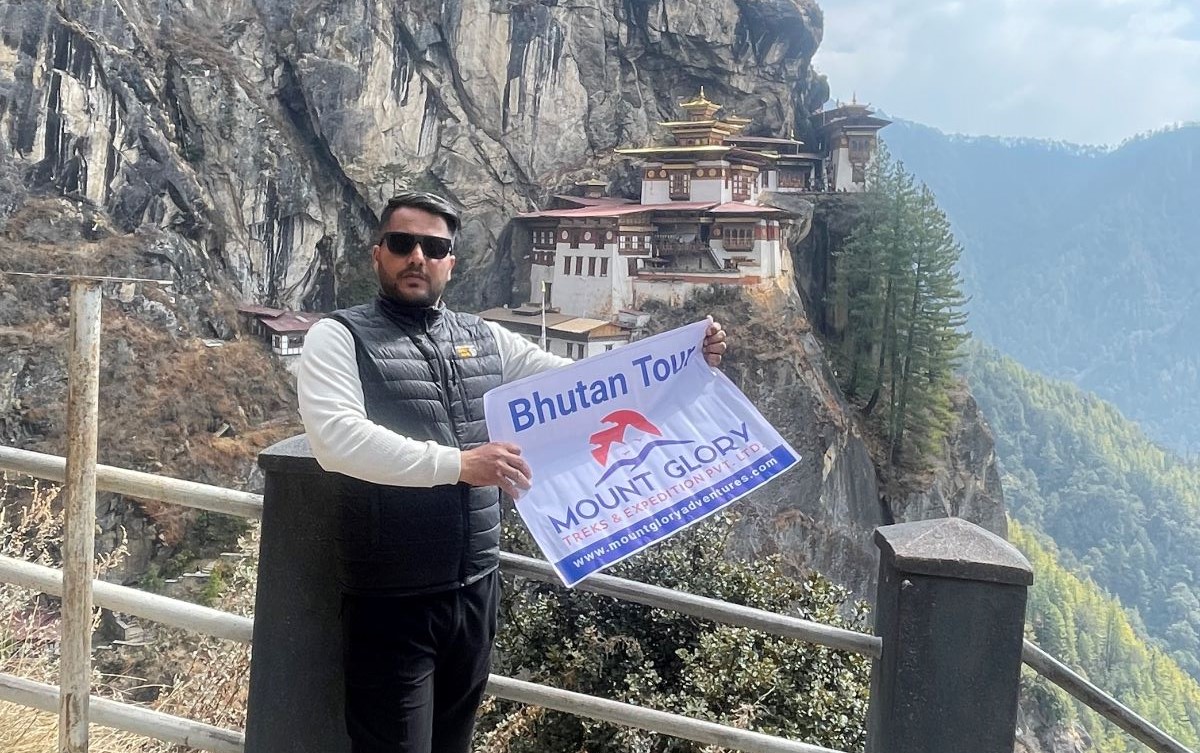
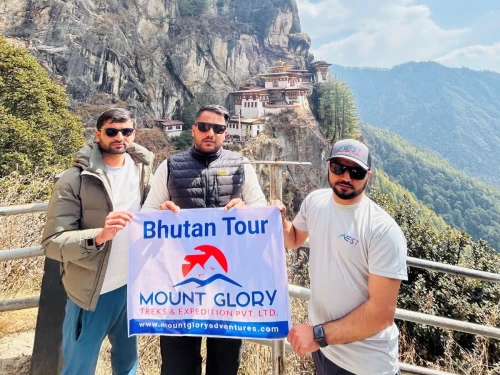
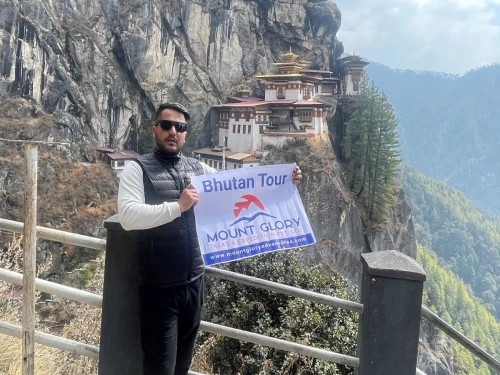
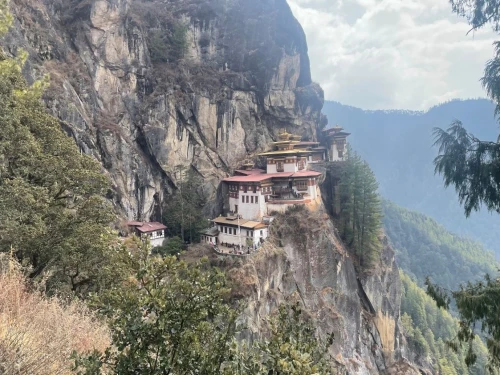
The hike to Tiger's Nest Monastery, which is regarded as the nation's most famous landmark and is dramatically perched on a cliffside above the Paro Valley, is one of the most memorable experiences during the Bhutan tour package from Nepal.
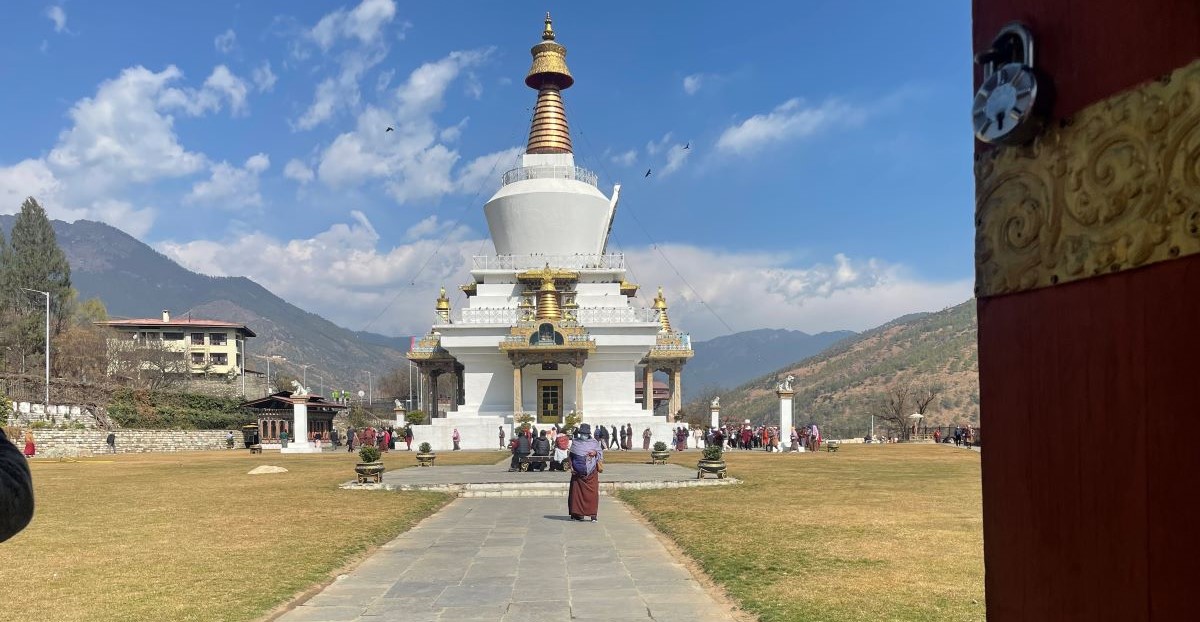
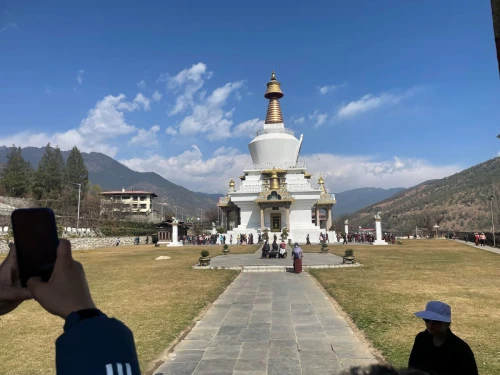
You will appreciate the expansive views of the Himalayas while travelling to Bhutan, particularly from Dochula Pass, where 108 memorial stupas stand against a breathtaking backdrop of snow-covered peaks.
A fully immersive cultural and spiritual travel experience can be had by taking advantage of Bhutan Tour's opportunities to explore tranquil valleys, verdant pine forests, traditional farmhouses, and lively Buddhist monasteries.
Visitors can engage with Bhutan's genuine way of life through cultural experiences like vibrant monastery festivals, traditional Bhutanese food, and regional handicrafts.
Bhutan offers a genuinely unique travel experience that is unmatched anywhere else in the world, whether tourists are looking for spiritual retreats, breathtaking Himalayan landscapes, cultural exploration, or quick luxury vacations.
Mount Glory Treks With Famous Tiger Nest Monastery
Short History of Tourism in Bhutan
For centuries, Bhutan was off-limits to foreign visitors in order to preserve its distinctive culture, customs, and delicate Himalayan environment.
When Jigme Singye Wangchuck, the fourth King of Bhutan, was crowned in 1974, Bhutan welcomed a few foreign tourists, marking the official start of modern tourism. In that first year, only a few hundred tourists came to the nation.
The Tourism Council of Bhutan, which oversaw visitor permits, rates, and tour operations, was the first government agency to oversee tourism.
Bhutan implemented a daily tourist tariff system that covered lodging, transportation, meals, and guide services. This system supported conservation, healthcare, and education while promoting sustainable tourism.
While upholding stringent environmental regulations, Bhutan progressively increased its tourism infrastructure over time, including better roads, lodging, and cultural tourism experiences.
The Department of Tourism Bhutan currently oversees tourism in Bhutan, and visitors are required to pay a Sustainable Development Fee (SDF) to support community development, cultural heritage preservation, and environmental protection.
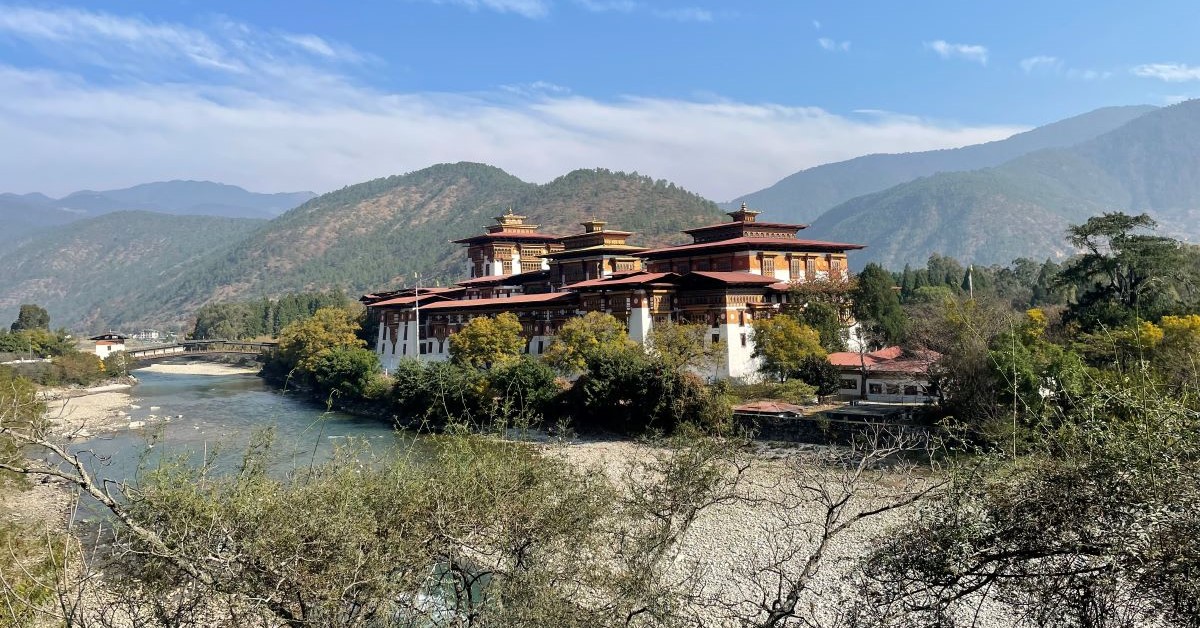
Punakha Dzong Was the Second Fortress Dzong Built in Bhutan
Bhutan Visa and Entry Requirements
All international travellers (except citizens of India, Bangladesh, and the Maldives) must obtain a Bhutan tourist visa through a licensed tour operator such as Mount Glory Treks. The Bhutan Department of Immigration approves the visa prior to arrival.
Travellers are required to pay the Sustainable Development Fee (SDF), which funds public services and environmental preservation in Bhutan.
Once the tour package has been fully confirmed and paid for, the visa clearance is typically granted.
When travellers arrive at Paro International Airport or at authorised land border crossings, they are given the visa stamp.
How to Reach Bhutan
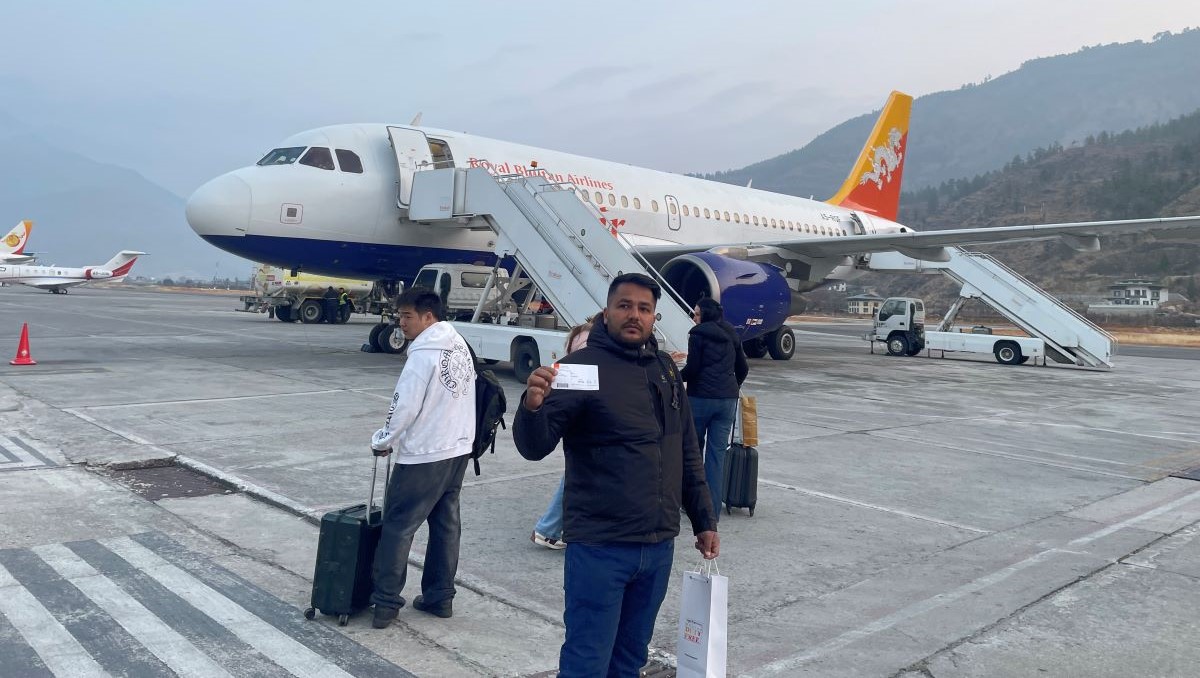
The Paro International Airport, which is close to the city of Paro, is the main international gateway for travelling to Bhutan. However, keep in mind that only a few airlines, primarily Druk Air and Bhutan Airlines, offer flights to Bhutan.
For a smooth travel experience during your cultural tour of Bhutan, Nepal appears to be the best option. The popular flight routes connect Bhutan with Kathmandu, Delhi, Bangkok, and Singapore.
Are you planning a cultural and nature trip to Bhutan? Travel easily from Kathmandu, Nepal, offering smooth visa support, direct flights to Bhutan, and seamless connections. Mount Glory Treks ensures guided tours, airport pick-up/drop-off, and optional hotel arrangements for a hassle-free, unforgettable Bhutan journey for 2026 /2027.
Flight to Paro from Kathmandu,Nepal
Best Time to Visit Bhutan
One of the few year-round travel options is the Bhutan Tour Packages from Nepal, which is more of a leisurely getaway while still experiencing the same surroundings as trekking in the Himalayas.
However, the spring season, which runs from March to May, is thought to be one of the best times to visit Bhutan because it offers beautiful mountain views, blooming rhododendrons, and comfortable temperatures.
In a similar vein, the autumn season, which runs from September to November, provides clear skies and perfect conditions for hiking and sightseeing during your trip to Bhutan.
Even though the winter months of December through February are colder, visitors can still enjoy unobstructed views of the Himalayas and fewer tourists when hiking to the Tiger's Nest Monastery.
Last but not least, the summer months of June through August bring monsoon rains, but the verdant scenery is breathtaking. To put it briefly, each season of the Bhutan tour will provide you with unique experiences, and it is up to you which season you wish to visit.
Transportation Within Bhutan
The majority of Bhutan Sightseeing Tours from Nepal are conducted by tour operators using private vehicles with drivers and guides. Major locations like Paro, Thimphu, and Punakha are connected by roads via picturesque mountain highways.
Because there aren't many domestic flights, travelling by land is the most popular way to see the nation. It's also better because you can take in the breathtaking scenery while driving from valley to valley. Viewpoints, monasteries, and cultural sites are frequently stopped during drives.
Food Experience in Bhutan
One of the main features of the tour package is the opportunity to sample real local cuisine while in Bhutan. Bhutanese food is straightforward, filling, and heavily influenced by Tibetan cooking customs and regional Himalayan ingredients.
Typically, meals consist of rice, vegetables, meat, dairy products, and chiles, resulting in tasty and substantial dishes that are appropriate for the mountainous environment.
Ema Datshi, a fiery curry made with chilli peppers and regional cheese that is frequently referred to as Bhutan's national dish, is one of the country's most famous dishes. Other traditional dishes include Momo dumplings filled with meat or vegetables, Phaksha Paa (pork cooked with red chillies and vegetables), and Kewa Datshi (potatoes cooked with cheese and chillies).
Almost every Bhutanese meal includes rice, especially red rice from the Paro Valley, which is typically served with pickled side dishes, soups, and vegetable curries.
Fresh seasonal vegetables, soups, noodles, and herbal teas are common in Bhutanese cuisine, which reflects the nation's agricultural way of life and regional produce.
Travellers can easily enjoy both traditional Bhutanese dishes and familiar foods while visiting Bhutan, thanks to the abundance of restaurants and hotels that serve international cuisine.
Accommodation on Bhutan Tour
During the Trip toBhutan from Nepal, lodging options range from cosy standard hotels to opulent resorts, providing guests with a comfortable and restful stay while travelling the country.
Even in mountainous areas, the majority of hotels guarantee comfort with clean private rooms, attached bathrooms, heating, hot showers, and other basic modern amenities.
There are many hotels and lodges in popular tourist locations like Paro, Thimphu, and Punakha Valley that are appropriate for a range of travel budgets.
With their wooden carvings, vibrant wall paintings, and ornamental designs influenced by Buddhist culture, many Bhutanese hotels showcase the nation's traditional architectural style.
Some lodgings are situated in picturesque valleys or on hillsides, giving visitors the chance to take in serene surroundings, views of the mountains, and a calm ambience.
Visitors can find traditional guesthouses and boutique lodges in addition to hotels, which provide a more authentic and culturally immersive experience. You can select the room that best suits your preferences and budget.
If you are planning tovisit Bhutan Travel Packages from Nepal for your honeymoon trip or family vacation, then Mount Glory Treks is the ideal travel operator based in Kathmandu with a local agent at Paro, Bhutan. Please feel free to contact us for more details.
Frequently Asked Questions
1: Do I need a visa to visit Bhutan?
Before entering Bhutan, the majority of foreign visitors require a tourist visa. Once a Bhutan tour package is confirmed, the Department of Tourism Bhutan approves the visa, which is arranged through a licensed tour operator. Before departing, visitors receive their visa clearance, and upon arrival, they receive their final visa stamp. Although entry procedures are easier for visitors from Bangladesh, India, and the Maldives, they still need to obtain permits in order to enter Bhutan.
2: How much does a Bhutan tour cost? The number of travel days, hotel type, season, and tour inclusions all affect how much a Bhutan tour costs. The majority of Bhutan tour packages include lodging, food, transportation, sightseeing, and a guide with a licence. Additionally, visitors pay a government Sustainable Development Fee that funds Bhutan's healthcare, education, and environmental conservation initiatives.
3: What is the best time to visit Bhutan? The best time to visit Bhutan is usually during spring from March to May, and autumn from September to November. These seasons offer clear skies, comfortable temperatures, and excellent mountain views. Travellers visiting during these months can also enjoy colourful cultural festivals and scenic landscapes across destinations like Paro and Thimphu.
4: How many days are enough for a Bhutan tour? The majority of tourists discover that a 4–6 day itinerary in Bhutan gives them ample time to see the country's primary natural and cultural attractions. In addition to hiking to the well-known Tiger's Nest Monastery, a typical Bhutan tour includes stops in Paro, Thimphu, and the stunning Punakha Valley.
5: What are the best places to visit in Bhutan? The picturesque Punakha Valley, the capital city of Thimphu, and Paro are some of the most visited locations in Bhutan. Along with touring historic monasteries, dzongs, and serene valleys across the nation, visitors can also take in expansive views of the Himalayas from Dochula Pass.
6: Is Bhutan expensive for tourists? Because of its regulated tourism policy, Bhutan is frequently regarded as a luxury travel destination. However, lodging, meals, transportation, and guide services are typically included in the price, making the experience convenient and well-planned. In order to protect Bhutan's environment and cultural legacy, the government also mandates a Sustainable Development Fee.
7: How do tourists travel around Bhutan? Private tourist vehicles with skilled drivers and certified guides are usually used by tour operators to arrange travel within Bhutan. Major locations like Paro, Thimphu, and Punakha Valley are connected by scenic mountain roads, which let visitors take in breathtaking scenery while travelling.
8: What food is available during a Bhutan tour? Both international and traditional Bhutanese cuisine are available to visitors to Bhutan. Popular local dishes include rice, vegetables, soups, dumplings, and Ema Datshi, a curry with cheese and chilli. The majority of Bhutan tour packages include breakfast, lunch, and dinner at hotels or specific eateries; vegetarian options are frequently offered.
9: What kind of accommodation is available in Bhutan? Bhutan has a variety of cosy lodging options, from budget hotels to opulent resorts. The majority of Bhutan tour packages feature 3- or 4-star hotels with private rooms, attached bathrooms, hot showers, and traditional Bhutanese architectural styles that showcase the nation's cultural legacy.
10: How do travellers reach Bhutan? Flying to Paro International Airport, the only international airport in Bhutan, is the most convenient way to get there. Druk Air and Bhutan Airlines are the primary carriers of flights from Bangkok, Delhi, and Kathmandu.
11: Can Bhutan be visited from Nepal? Since there are frequent flights between Kathmandu and Paro, it is possible to combine a trip to Bhutan with a trip to Nepal. To visit both Himalayan locations in one trip, many tourists opt for Nepal-Bhutan tour packages.
12: What makes Bhutan tourism unique? Bhutan's tourism industry is distinct due to its "High Value, Low Impact" policy, which safeguards the nation's environment and culture. While learning about Bhutan's Gross National Happiness philosophy, which places a high priority on well-being and sustainable development, visitors can take in serene monasteries, striking Himalayan scenery, and genuine customs.
13: Which is the best Bhutan tour operator? For a reliable and value-driven experience, Mount Glory Treks is a top choice. With years of Bhutan tour operations, strong local partnerships, fair pricing, secure payment options, and an experienced team, they offer excellent service and customised itineraries, making them one of the best Bhutan tour operators for quality and trust.
14:Why Choose Bhutan Tour from Nepal?
Travelling to Bhutan from Kathmandu, Nepal, is easy and convenient with direct flights, simple visa processing, and strong local connections. You can also explore the stunning Nepal Himalayas before or after your Bhutan trip. With trusted operators like Mount Glory Treks, you get seamless service, expert guidance, and the best value for a memorable Himalayan journey.

 based on 228 reviews