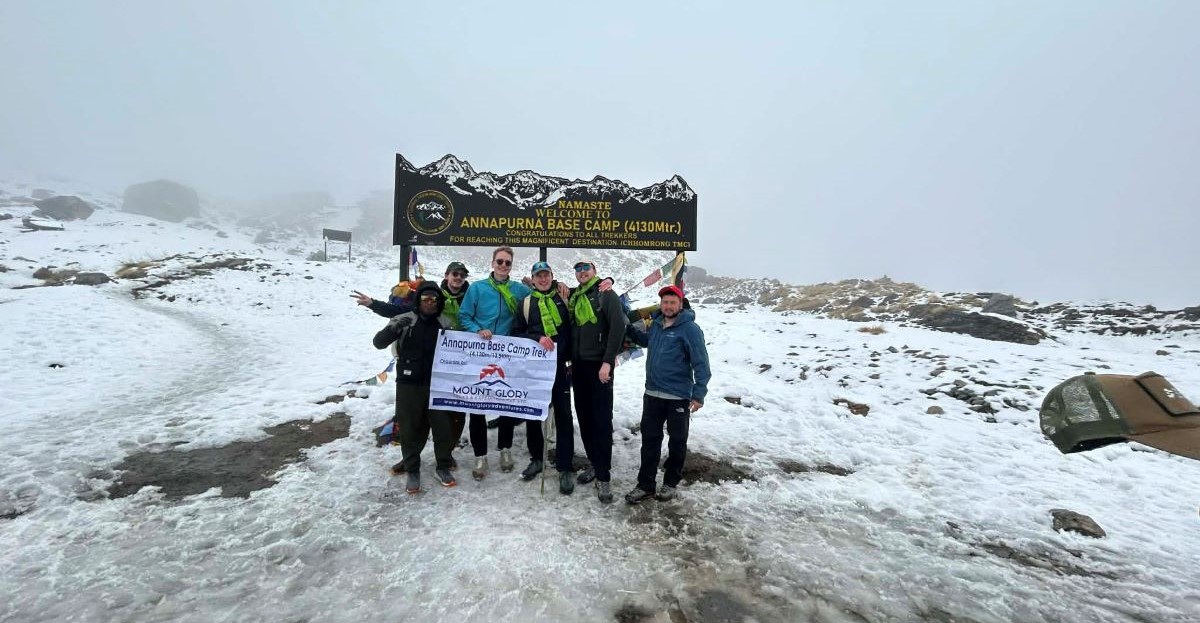
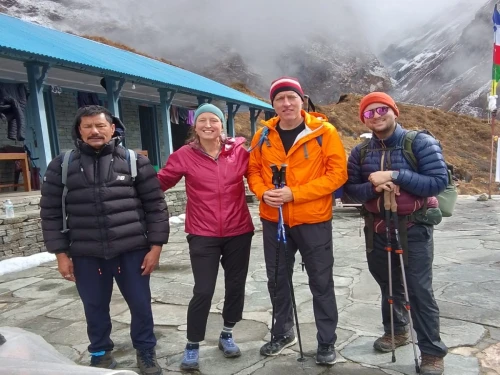
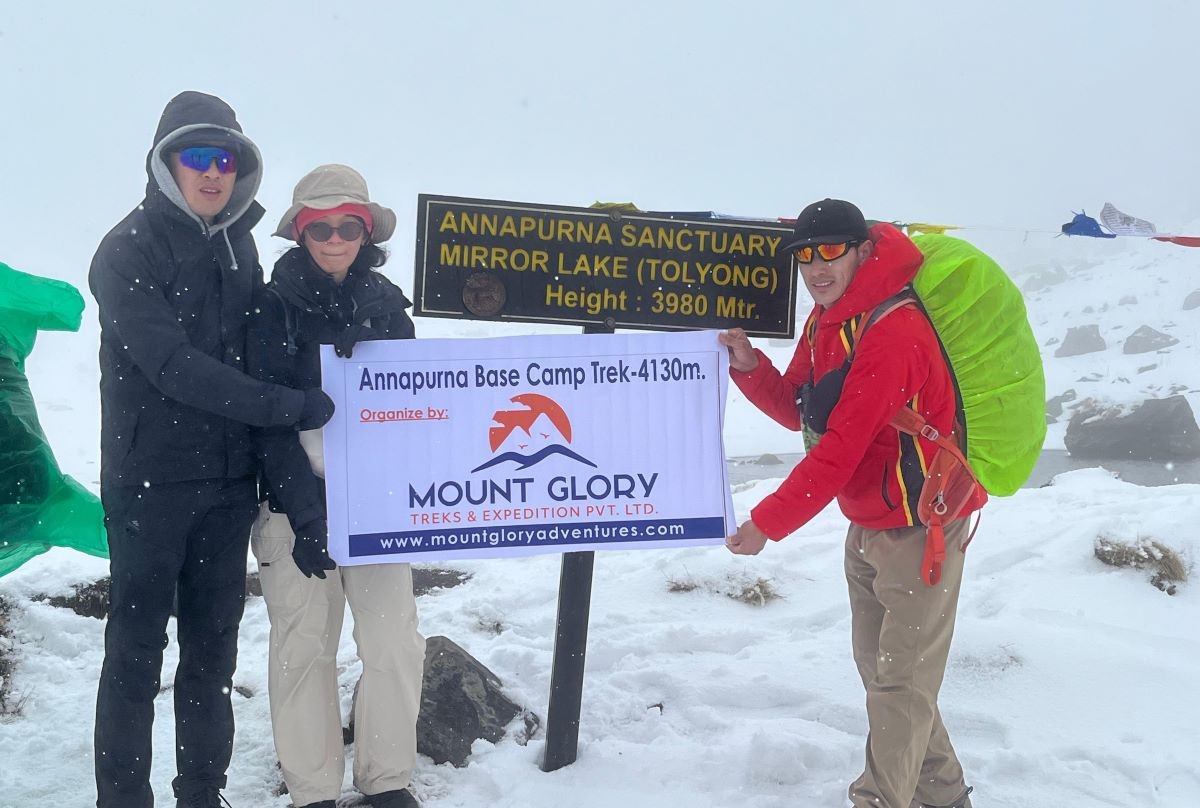
Four Travelers From Netherland at Annapurna Base Camp 4130m During Spring(March)
Annapurna Base Camp Trek, also known as the ABC Trek, is a popular Himalayan trek in Nepal's Annapurna region that reaches an altitude of 4,130 m at Annapurna Sanctuary. It has grown in popularity in recent years and is Nepal's second most sought-after destination after the Everest region trekking.
Furthermore, the ABC Trek provides travellers with close views of major peaks such as Annapurna I, Machhapuchhre (Fishtail), Hiunchuli, and Annapurna South, making it a must-see destination for mountain enthusiasts.
Annapurna base camp trek route passes through a variety of landscapes, including rhododendron forests, terraced farmlands, river valleys, and alpine terrain. However, depending on the season and time, your experiences will differ.
Most importantly, the weather conditions change significantly from season to season due to the varied altitude zones encountered during the Annapurna region trek.
Trekking conditions on Nepal's Annapurna Base Camp (ABC) Trek vary greatly throughout the year due to rapid altitude changes and unpredictable Himalayan weather.
Choosing the best time for the Annapurna Base Camp Trek in Nepal is critical to shaping your overall trekking experience, influencing safety, mountain visibility, and enjoyment of the journey. The timing of your trek has a direct impact on trail conditions, weather stability, crowd levels, and photo opportunities along the way.
This guide is intended to help you understand the ideal ABC trekking season, as well as seasonal variations and what trekkers can expect throughout the year. It also provides useful information about changing weather patterns, temperature fluctuations, and differences in trekking difficulty across months.
Understanding these factors allows trekkers to better prepare for the journey and determine when they are most likely to encounter the clearest Himalayan views, the safest trekking conditions, and the most rewarding experience on the ABC route.
The article also discusses how different seasons affect accommodation availability, trail accessibility, and overall trekking comfort. By the end, you'll have a clear and practical understanding of when to visit Annapurna Base Camp based on your travel preferences, fitness level, and trekking objectives.
The Annapurna Base Camp Trek is heavily influenced by the Annapurna Sanctuary region's diverse and rapidly changing mountain climate, which can shift within hours due to altitude variation and Himalayan topography.
For most trekkers, the early morning hours provide the most stable weather, with clearer skies and better visibility of nearby peaks such as Annapurna I, Machhapuchhre (Fishtail), Hiunchuli, and Annapurna South. Seasonal changes significantly influence the trekking experience.
The Spring (March - May) and Autumn (September - November) seasons typically provide the most consistent conditions, with dry trails, mild temperatures, and consistently clear mountain views, making them ideal times for the ABC route.
In contrast, the monsoon season brings heavy rain, frequent cloud cover, and slippery trails, which can reduce visibility and make trekking more difficult and unpredictable.
The winter season remains cold and dry, rewarding trekkers with crystal-clear skies, though snowfall and low temperatures at higher elevations can make the journey more difficult.
Weather conditions such as sudden cloud buildup, snowfall at higher altitudes, or unexpected wind changes can have a direct impact on trekking comfort, trail safety, and overall visibility of the Himalayan panorama. Because the main highlight of the trek is the close-up view of the Annapurna massif from base camp, clear weather is required for both safety and a complete visual experience.
Understanding these weather patterns enables trekkers to better plan their ABC Trek season, select the most appropriate travel period, and ensure a safer, more comfortable, and visually rewarding Himalayan trekking experience.
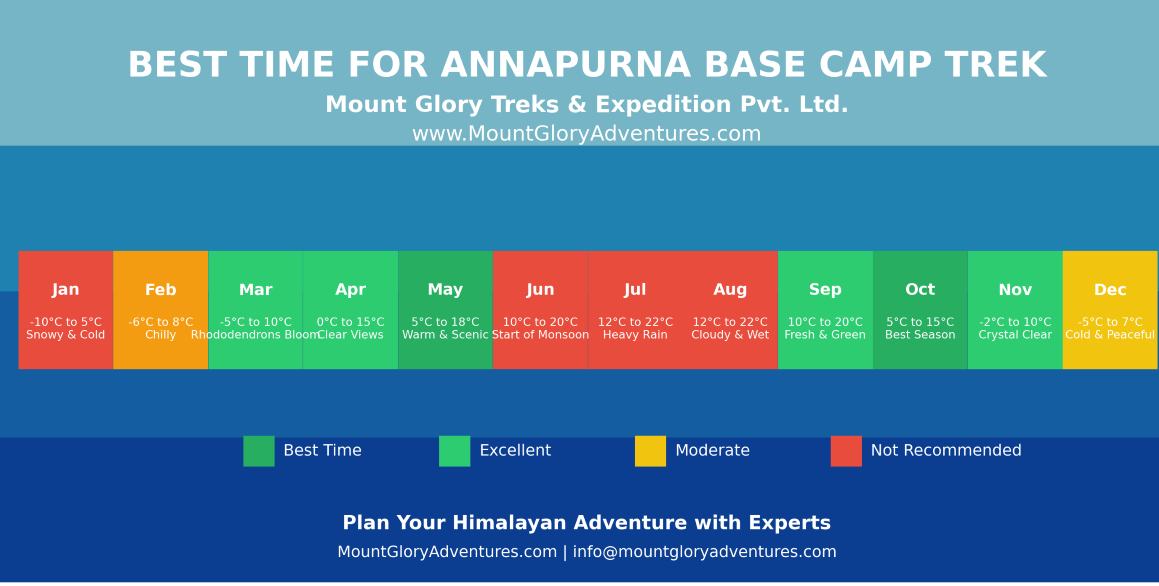
Annapurna Base Camp Trek Weather Chart
Best Time to do the Annapurna Base Camp Trek
Spring Season (March - May)
Spring is one of the most popular seasons for the Annapurna Base Camp Trek, as it provides some of the most balanced trekking conditions throughout the year. During this time, the trails are alive with blooming rhododendron forests, orchids, and lush greenery, particularly in the lower and mid-hill sections of the trail.
The weather is generally stable, with moderate daytime temperatures and pleasant walking conditions, making it ideal for extended trekking days without extreme cold or heat. Visibility is usually good, and trekkers can enjoy clear Himalayan views of Annapurna I, Machhapuchhre (Fishtail), Hiunchuli, and other peaks, especially in the morning.
Overall, spring offers the ideal balance of natural beauty, stable weather, and rewarding mountain scenery for the ABC trek.
Autumn Season (September - November)
Many people think that autumn is the best season for the Annapurna Base Camp Trek, so it's the best time for trekkers to go to Nepal. After the monsoon, the Himalayas are very clear, and you can see peaks like Annapurna I, Machhapuchhre (Fishtail), Hiunchuli, and Annapurna South clearly and without interruption.
The weather stays very stable, with dry trails, mild daytime temperatures, and very little rain. Because of this, the entire route offers nearly ideal trekking conditions. Because of these good conditions, autumn also has a high success rate for finishing the ABC Trek comfortably and safely.
This time of year is also when major Nepali festivals like Dashain and Tihar take place. This adds to the cultural experience along the trail and in nearby villages, making the trip even more memorable.
Winter Season (December - February)
For hikers looking for seclusion and unadulterated Himalayan beauty, winter is a chilly but rewarding season for the ABC Trek.
At higher elevations, such as the area around Annapurna Base Camp (4,130 m), where snowfall is frequent and nights can be bitterly cold, temperatures drastically drop. In contrast to peak seasons, this season offers quieter trails and fewer hikers, making the experience more tranquil and immersive despite the severe weather.
The scenery frequently changes into a snow-covered Himalayan landscape, offering striking and distinctive views of the Annapurna range's mountains.
However, since some teahouses at higher elevations may only have a few amenities or be closed for the season, preparation is essential for the winter trek to ABC. In general, this time of year is better suited for seasoned hikers who are ready for the cold and challenging conditions of winter trekking.
Monsoon Season (June - August)
The monsoon season risks for the Annapurna Base Camp Trek are greatest from June to August, when most of the Annapurna region experiences heavy rainfall.
Particularly in lower elevation areas, persistent rain frequently causes muddy and slick trails, making trekking slower and more physically taxing than usual. The humidity also makes leeches live in wooded areas, which can make walking less comfortable.
Clouds and rain often cover the Himalayas, blocking views of Annapurna I, Machhapuchhre, and other nearby peaks. This makes it harder to see things along the way. There is also a higher risk of landslides and trail disruptions in some parts of the route. This can affect safety and travel plans.
The Monsoon Trek to Annapurna, on the other hand, is different because the landscapes are lush and green, the waterfalls are flowing, and there aren't many trekkers on the trail. This makes it peaceful for people who like to be alone and are ready for tough weather.
Best Time for Beginners on ABC Trek
Beginners with little to no trekking or Himalayan journey planning experience should plan the Annapurna Base Camp Trek in Nepal during the autumn (September to November) and spring (March to May) seasons, which provide the most balanced and beginner-friendly trekking conditions in the Himalayas.
During these months, the ABC trekking route is stable with predictable weather patterns, allowing new trekkers to walk comfortably without experiencing extreme cold, heavy rainfall, or snow-related difficulties. The clear visibility of the Annapurna range, which includes Annapurna I, Machhapuchhre, Hiunchuli, and Annapurna South, helps beginners stay motivated throughout the journey.
These seasons are known for having dry, well-kept trails that make hiking much easier, especially in steep forest areas, stone stair climbs, and long days of walking between villages. The weather stays mild, which makes it easier for first-time trekkers to get used to the high altitude without putting too much stress on their bodies.
Also, spring and autumn are the best times to trek in Nepal. This means that there are more tea houses, experienced guides and porters along the ABC route, which makes it safer and more helpful for beginners.
Choosing the best season for the Annapurna Base Camp Trek for beginners not only makes the trek more comfortable and safe, but it also makes the whole Himalayan experience better by making sure the weather is stable, the mountain views are better, and the trek goes more smoothly from start to finish.
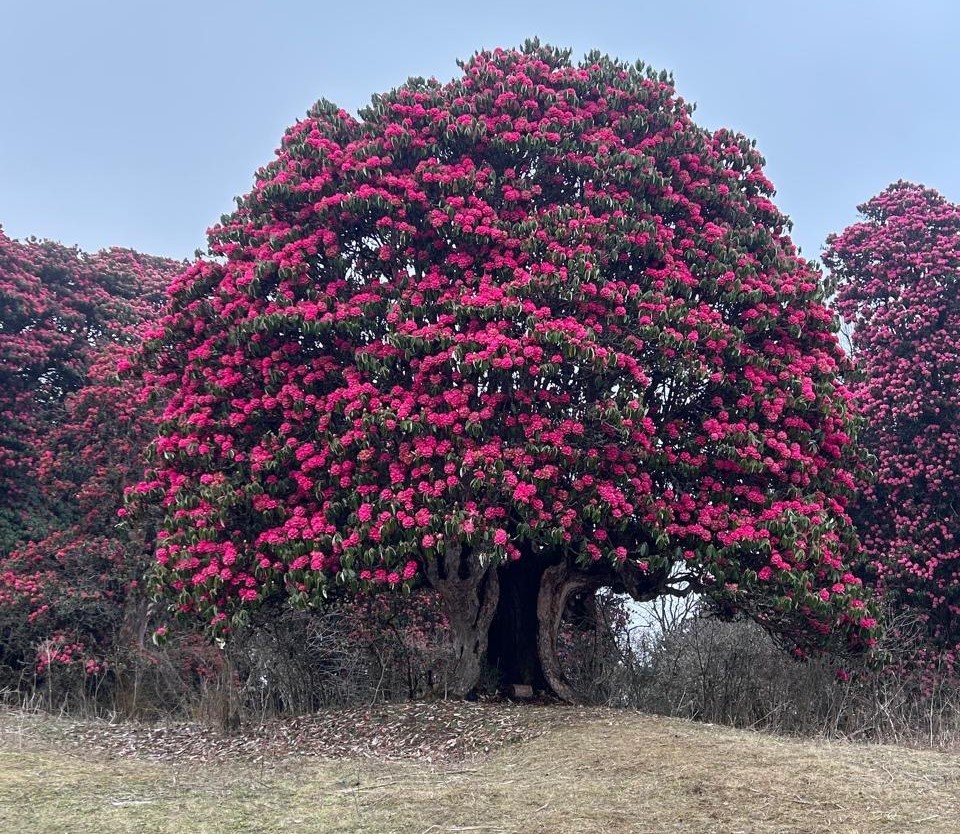
Blooming Rhododendrons trail to Annapurna Base Camp in vibrant reds and pinks during March and April.
Crowd Levels in Different Seasons on Annapurna Base Camp Trek in Nepal
Depending on the trekking season, the weather, and how easy it is to get to the trail, the Classic Annapurna Base Camp Trek sees different numbers of people throughout the year. The best time to trek is in the autumn (September to November), when the weather is stable, the trails are dry, and the views of the Himalayas are clear.
This is when the most trekkers come to Annapurna Base Camp. During this time, popular stops along the ABC route can get crowded, and teahouses may be full ahead of time.
In the spring (March to May), there is a moderate number of trekkers, which makes for a balanced experience where the trails are busy but not too crowded. This time of year is still great for seeing things and enjoying nature, especially with blooming rhododendrons along the way.
In contrast, the trekking traffic is much lower in the winter (December to February) and monsoon (June to August) seasons. Winter sees fewer trekkers because of the cold and snow, and monsoon sees even fewer because of the rain, slippery trails, and poor visibility.
For those who want to be alone on the Annapurna Base Camp route, these off-peak times are better because they are quieter and less crowded.
Final Suggestion
When you want to go on the Annapurna Base Camp (ABC) Trek in Nepal depends on your goals, how much experience you have, and what you like, but some times of year are clearly better than others because of the weather.
The best time to go on the Annapurna Base Camp Trek is in the autumn (September to November). This is when the weather is most stable, the trails are dry and safe, and you can see the Himalayas clearly, making it the best time for a full and comfortable trekking experience.
Spring (March to May) is the second-best season. The weather is nice, and the scenery is beautiful, with blooming rhododendron forests and temperatures that are great for hiking. Most trekkers don't recommend the monsoon season (June to August) because of the heavy rain, slippery trails, landslip risks, and limited mountain views.
However, highly experienced trekkers looking for solitude and lush landscapes may still want to go during this time. Winter has quiet trails, but you need to be ready for the cold and possible snow at higher altitudes.
In the end, you should choose the best season for the Annapurna Base Camp Trek based on how fit you are, how comfortable you are with different weather conditions, and how many people you want to be around.
Trekkers who want the safest and most rewarding experience usually choose autumn, while those who want good weather and fewer people may choose spring. If you have a long travel holiday and want to explore the whole Annapurna Base Camp region, ABC Trek Via Poonhill with Mardi Himal is the best way to explore.
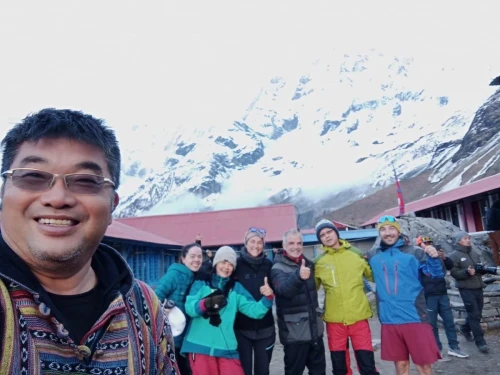
Mount Glory Treks Team at ABC4130m During the Spring Season
Frequently Asked Questions
1: What is the best time for the Annapurna Base Camp Trek in Nepal?
The best time to do the Annapurna Base Camp (ABC) Trek in Nepal is in the autumn (September to November), when the weather is usually stable, the skies are clear, and the views of the mountains are at their best. Many hikers also like spring (March to May) as a close second choice because the weather is nice and the scenery is beautiful. Both seasons are great for a well-balanced trekking experience.
2: Which season gives the best mountain views on the ABC Trek? Autumn is usually the best time to see the Himalayas clearly and dramatically, especially after the monsoon when there is less dust and haze. Spring is also a great time to see things, especially in the early morning when peaks like Annapurna I and Machhapuchhre are very clear.
3: Is spring a good time for the Annapurna Base Camp Trek? Spring is one of the best times to go trekking because the weather is usually nice and the scenery along the trail is beautiful. Trekkers often walk on comfortable paths through beautiful landscapes full of rhododendrons, which makes the trip both visually interesting and easy to handle.
4: Can beginners do the ABC Trek in the monsoon season? Beginners can technically trek during the monsoon, but it's not a good idea unless they are well-prepared. Heavy rain, slippery trails and clouds that come and go can make the experience harder, so most first-time trekkers choose to go in the spring or autumn when the weather is safer and more predictable.
5: How cold does it get at Annapurna Base Camp? At 4,130 metres above sea level, temperatures can drop a lot, especially at night. Even during the busiest trekking times, mornings and evenings at base camp can be very cold, so trekkers should bring the right layers to stay warm in changing weather.
6: Which season is easiest for first-time trekkers? For beginners, the best times to hike are in the autumn and spring because the trails are dry, the weather is stable, and you can see well. These conditions make it easier to get used to the new environment and go on daily treks.
7: Is winter trekking to ABC recommended? Winter hiking is quieter and less crowded, but it can be colder, and there may be snow at higher elevations. It is better for trekkers who are used to the cold and have the right gear.
8: When are the trails least crowded on the ABC route? If you like being alone, winter and monsoon are the best times to go because fewer people trek during these months because of bad weather. This makes trekking in the Himalayas more peaceful and personal.
9: How does the season affect the ABC trekking experience? The experience of trekking changes a lot from season to season, from how well you can see the trails to how comfortable and safe you feel. Stable seasons like spring and autumn are good for easy hiking, but monsoon and winter bring more difficult but interesting landscapes.
10: Which month is considered the peak for ABC Trek? October is often thought of as the best month because it is in the middle of autumn, when the weather is most stable, and the views from the mountains are always clear. This makes it one of the best times to go trekking.
11: Is monsoon trekking to ABC safe? You can go trekking during the monsoon, but you need to plan ahead and be aware of the dangers, such as landslides and slippery trails. A lot of trekkers pick this time of year because of the beautiful scenery, but the weather is usually less predictable than at other times of the year.
12: How should I decide the best time for the ABC Trek? If you want the most reliable weather and views, autumn is the best time to go. If you want to see more natural beauty with fewer people, spring is the best time to go. If you want to be alone and don't mind challenges, winter or monsoon can also be a different but rewarding experience.
Born and raised in the Mountainous village of Gorkha Nepal. Mr. Pandey is a successful tour leader and a very active social worker contributing a lot to the welfare of society. Mr, Pandey belongs to a very humble background and has started his career as a junior staff in a much-reputed company in Nepal. Mr. Pandey's family background is engaged in the tourism sector for an extended period. After spending many years in research and the drawbacks of tourism development.
Due to his great passion and enthusiasm for the trekking and tourism sector, he started his tour career with many expert teams. He intends to bring revolution to the tourism sector by offering luxurious services and accommodations to travelers at a minimum price. With the Motto of Travellers, satisfaction is my passion. He has been helping many travelers with traveling.

 based on 228 reviews