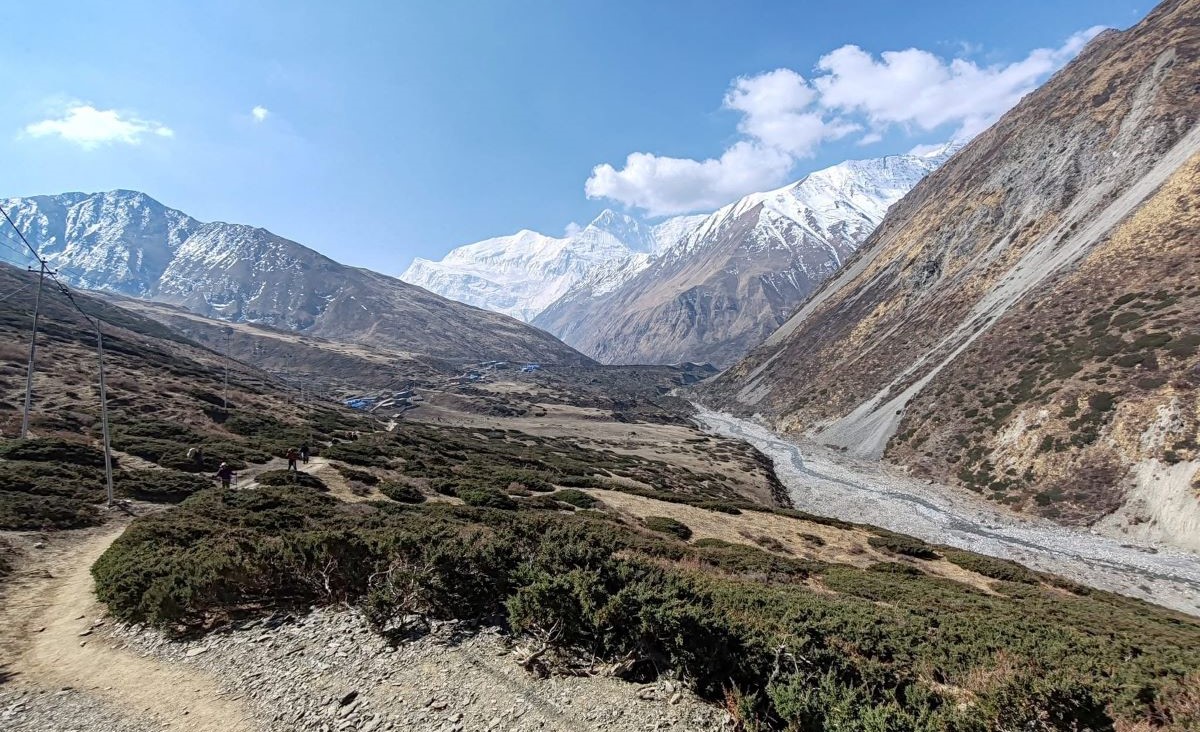
Valley View from Manang during Annapurna Circuit Trek
The Annapurna Circuit Trek is often described as one of the best trekking adventures, but it's also one of the first questions many travelers ask before booking: How hard is the Annapurna Circuit Trek?
Honestly, the trek is moderately difficult, but for reasons that many first-time trekkers do not anticipate. It is not a technical climb requiring ropes or mountaineering experience, nor does it necessitate exceptional athletic ability. Instead, the challenge comes from walking for nearly two weeks through changing landscapes, climbing significant elevations, and crossing Thorong La Pass (5,416 m), the trek's highest point.
Several factors influence the Annapurna Circuit Trek Difficulty, including your fitness level, previous hiking experience, the pace of your itinerary, weather conditions, and how well your body adapts to high altitude. The long daily walks are the most difficult for some trekkers, while thinner air above 3,500 meters has a greater impact on others. Understanding these challenges before arriving in Nepal allows you to plan realistically and enjoy the experience with greater confidence.
The good news is that thousands of hikers successfully finish the Annapurna Circuit each year, including novices with adequate preparation. Most healthy individuals who are willing to put in the effort can complete the trek with the right training, a sensible itinerary, the appropriate gear, and knowledgeable local guidance.
In this guide, we'll break down exactly how difficult the Annapurna Circuit Trek is, what makes it challenging, who it's suitable for, and how you can prepare to make the journey safer, more comfortable, and far more enjoyable.
The Annapurna Circuit Trek is generally rated as a moderate to challenging high-altitude trek. While you don't need any technical climbing skills or previous mountaineering experience, the trek demands consistent physical effort over multiple days and the ability to adapt to changing mountain conditions.
Depending on the beginning and ending locations as well as the road access utilized, the majority of itineraries span between 160 and 230 kilometers. Trekkers usually walk for 5 to 8 hours every day for 12 to 18 days, traversing a range of terrain such as rocky mountain trails, forest paths, suspension bridges, stone staircases, and alpine valleys.
What makes the Annapurna Circuit Trek difficulty unique is that it isn't defined by one single obstacle. Instead, several factors gradually combine throughout the journey:
High altitude and reduced oxygen levels
Crossing Thorong La Pass (5,416 m)
Consecutive days of trekking with limited rest
Long ascents and descents
Rapid changes in weather
Cold temperatures at higher elevations
Physical and mental endurance over nearly two weeks
Unlike shorter treks where you return to a comfortable hotel each evening, the Annapurna Circuit Route requires you to recover, eat, sleep, and prepare for another full day of walking while gradually gaining elevation. By the time you reach the highest sections of the trail, even simple tasks can feel more demanding due to the reduced oxygen in the air.
Despite these challenges, the trek remains achievable for many people because the trails are generally well established, teahouse accommodation is available throughout the route, and the itinerary allows for gradual acclimatization. For most trekkers, the journey is more about endurance, patience, and steady pacing than raw strength or speed.
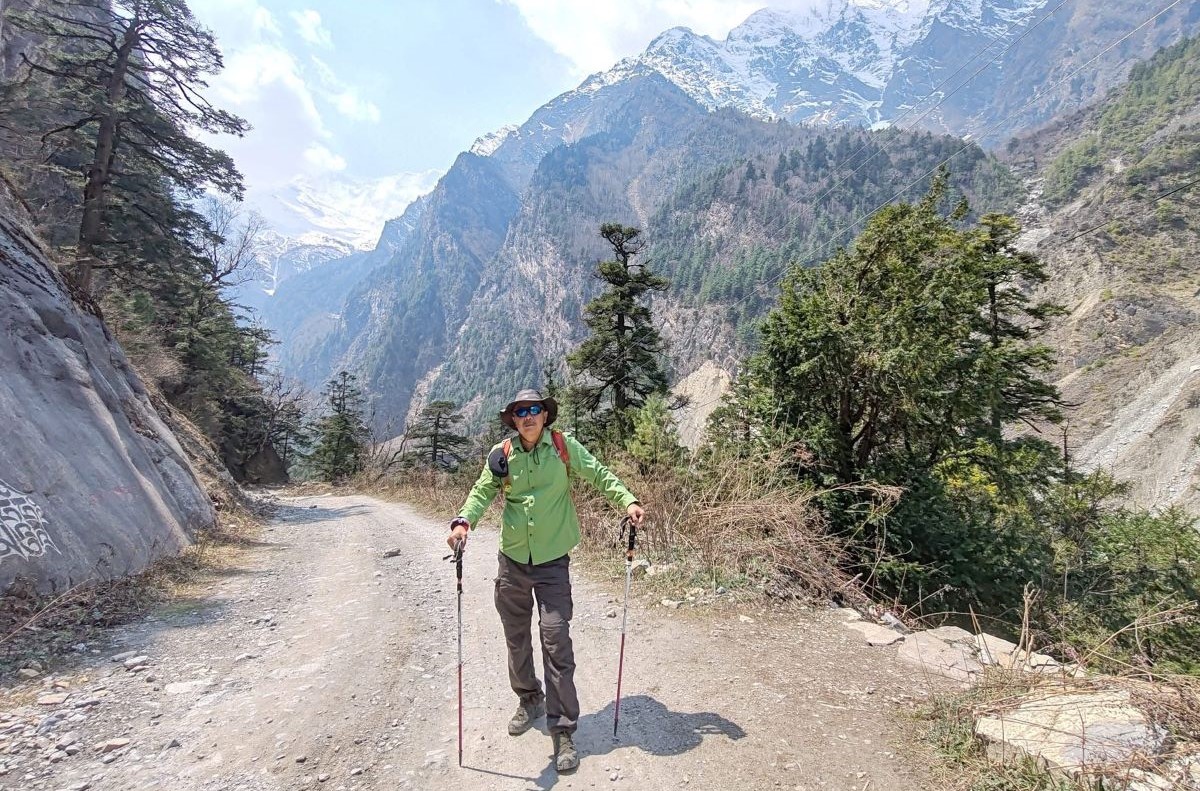
Our Friend Leslie From Malaysia are on the way to Thorong La Pass 5416m during Annapurna Circuit Trekking
What Makes the Annapurna Circuit Trek Challenging?
Many people assume the hardest part of the Annapurna Circuit is simply crossing Thorong La Pass 5416m, but the overall difficulty comes from a combination of factors that build gradually throughout the trek. Understanding these challenges in advance allows you to prepare more effectively and enjoy the experience with realistic expectations.
High Altitude
For most trekkers, altitude is the single biggest challenge on the Annapurna Circuit. As you climb above 3,000 meters, the amount of available oxygen begins to decrease, making even gentle uphill sections feel more demanding than they would at lower elevations.
By the time you reach Thorong Phedi and eventually Thorong La Pass (5,416 m), the thinner air can significantly slow your pace and increase fatigue. Headaches, shortness of breath, poor sleep, and reduced appetite are all common effects of trekking at high altitude, even among very fit hikers.
Unlike physical fitness, altitude affects everyone differently. Being young or athletic doesn't make you immune to Acute Mountain Sickness (AMS), which is why following a proper acclimatization schedule and maintaining a slow, steady pace are essential throughout the trek.
Long Days on the Trail
Another factor that contributes to the Annapurna Circuit Trek difficulty is the number of consecutive trekking days. While individual hiking days are manageable, walking for nearly two weeks without complete rest gradually places increasing demands on your muscles, joints, and overall energy levels.
Most days involve between 10 and 18 kilometers of walking, although the exact distance varies depending on your itinerary. Some sections include long ascents, while others involve steep downhill trails that can be equally tiring, particularly on the knees.
Hiking as quickly as you can isn't the key to success on the Annapurna Circuit; instead, it's about keeping a comfortable pace that you can stick to every day.
Thorong La Pass 5416m
Standing at 5,416 meters, Thorong La Pass is both the highest point and the most physically demanding day of the trek.
Most groups begin their ascent well before sunrise to take advantage of calmer weather and reach the pass before afternoon winds become stronger. The climb from Thorong Phedi is steep, slow, and physically demanding, especially because it takes place at very high altitude.
Although this day is often considered the hardest, reaching the summit is an incredibly rewarding moment. After crossing the colorful prayer flags at the top, trekkers begin the long descent toward Muktinath, marking one of the biggest milestones of the entire Annapurna Circuit.
Terrain and Trail Conditions
The variety of terrain you'll encounter is one reason the Annapurna Circuit Trek is regarded as moderately challenging. The route isn't technically difficult, but it constantly changes as you travel through different landscapes and altitude zones.
During the first few days, you'll follow well-established trails through terraced farmland, forests, riverside paths, and traditional mountain villages. As you continue higher into the Himalayas, the landscape becomes drier and more rugged, with rocky trails, glacial valleys, loose gravel, and alpine terrain becoming more common.
You'll also cross several long suspension bridges, climb countless stone staircases, and navigate uneven mountain paths. These sections don't require climbing skills, but they do demand good balance, steady footing, and comfortable trekking boots.
Trail conditions also vary with the seasons. In spring and autumn, paths are usually dry and easy to follow. During the monsoon season, lower sections may become muddy or slippery, while winter can bring snow and ice around Thorong La Pass, making trekking more demanding. Regardless of the season, trekking poles can provide extra stability and help reduce strain on your knees, particularly during long descents.
Annapurna Circuit Trek Weather
Weather is another factor that significantly affects the Annapurna Circuit Trek difficulty. The Himalayas are known for their unpredictable mountain climate, and conditions can change rapidly even within a single day.
A clear, sunny morning may develop into strong winds, cloud cover, or light snowfall by the afternoon, especially at higher elevations. As you gain altitude, temperatures also become much colder. While daytime temperatures in lower villages may feel warm and comfortable, mornings and evenings near Yak Kharka,
Thorong Phedi, and Thorong La Pass often fall below freezing, particularly during spring, autumn, and winter.
Wind is another challenge many trekkers underestimate. Strong gusts near the pass can make the climb feel more physically demanding, even when the trail itself isn't particularly steep. Dressing in layers and carrying reliable waterproof and windproof clothing allows you to adapt quickly to changing conditions throughout the day.
Fortunately, choosing the right trekking season can significantly reduce weather-related difficulties. Spring and Autumn generally provide the most stable conditions, making them the preferred months for most trekkers.
Daily Walking Distance and Trekking Hours
Many people preparing for the Annapurna Circuit focus on the overall distance, but the daily walking routine is often what determines how challenging the trek feels.
Most itineraries involve walking between 5 and 8 hours each day, covering approximately 10 to 18 kilometers, depending on the route and overnight stops. Some days are relatively easy, allowing time to explore local villages and enjoy the scenery, while others involve long climbs or extended descents that require greater endurance.
The day you cross Thorong La Pass is usually the longest and most demanding. Trekkers often begin before sunrise and spend 7 to 9 hours on the trail, including the steep ascent to the pass and the long descent to Muktinath.
It's important to remember that trekking at high altitude naturally slows your pace. Rather than trying to maintain your normal hiking speed, focus on walking steadily, taking short breaks when needed, and conserving energy throughout the day. A consistent pace is far more effective than rushing early and becoming exhausted later.
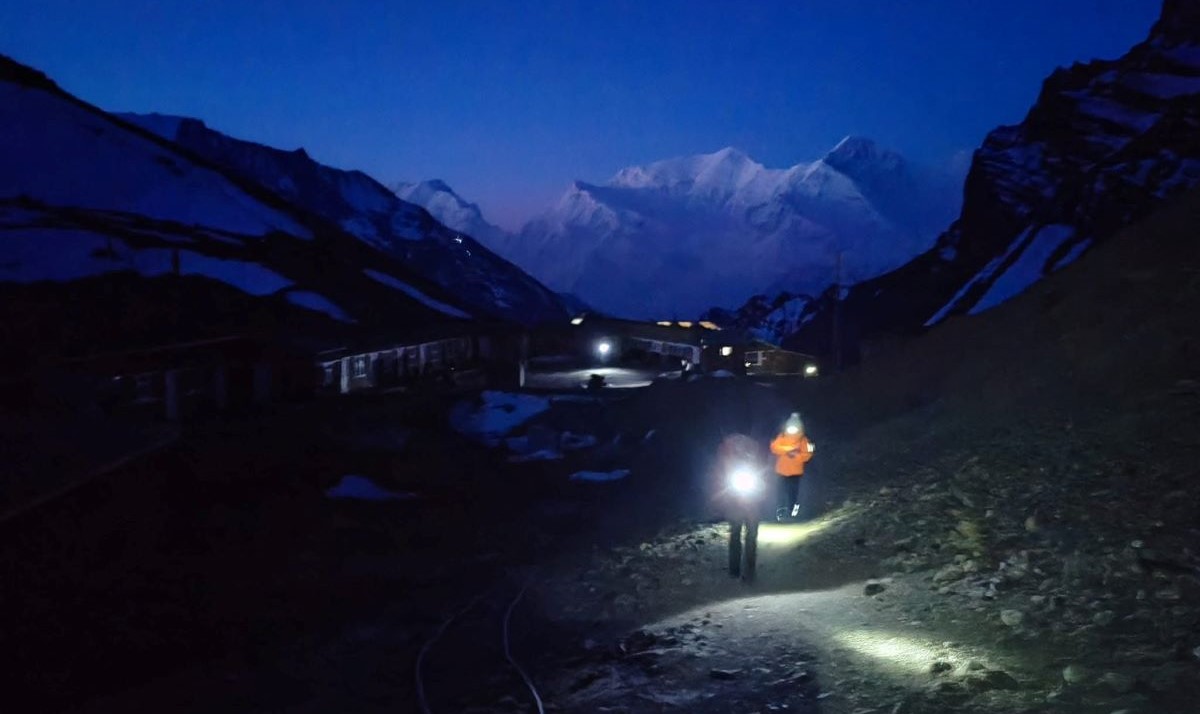
Challenging Day of Annapurn Circuit Trek : Thorong la Pass 5416m Early Morning
How Fit Do You Need to Be?
You don't need to be an athlete to complete the Annapurna Circuit Trek, but having a good level of cardiovascular fitness will make the experience considerably more enjoyable.
If you can comfortably walk for 5 to 7 hours with a small daypack over uneven terrain, you're already building the type of endurance needed for this trek. Being able to sustain a consistent effort over several days while progressively increasing elevation is the goal, not speed.
Preparing for the trek at least 8 to 12 weeks before your departure can make a noticeable difference. Activities such as hiking, brisk walking, stair climbing, cycling, jogging, and swimming all help improve stamina and strengthen the muscles used during long days on the trail.
Strength training is equally valuable. Exercises that target your legs, core, and lower back improve balance and stability while reducing fatigue during steep climbs and descents. Even simple bodyweight exercises like squats, lunges, step-ups, and planks can be highly effective when performed consistently.
Perhaps the most overlooked aspect of preparation is mental endurance. Unlike a single-day hike, the Annapurna Circuit requires you to wake up and trek again every morning, even if you're tired from the previous day. Developing patience, maintaining a positive mindset, and trekking at your own pace often matter just as much as physical fitness.
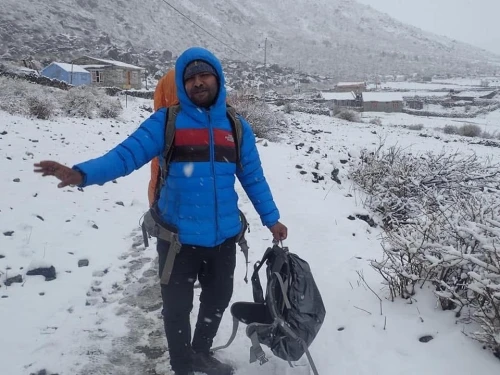
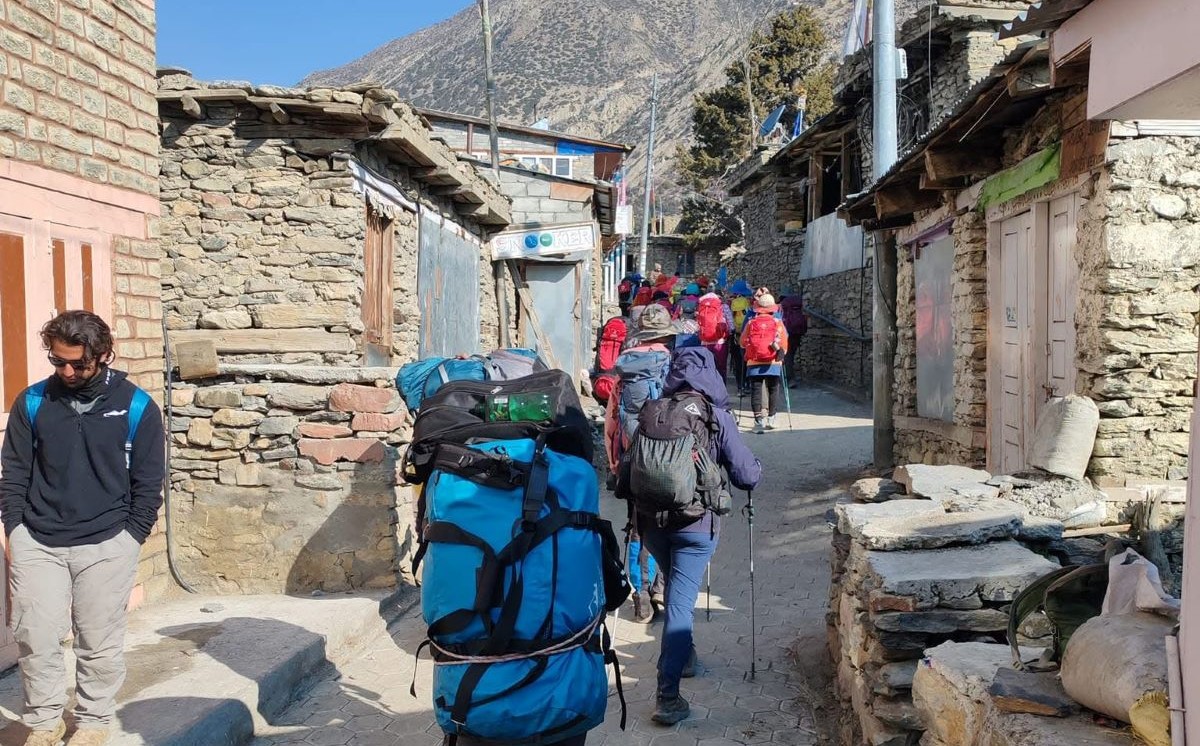
Porters are Backbons during Trekking : Our Porter Kamal is carrying Heavy Backpack
Can Beginners Do the Annapurna Circuit Trek?
The Annapurna Circuit Trek for beginners is entirely achievable, provided you prepare well and choose a sensible itinerary.
Many first-time trekkers successfully complete the circuit every year without any previous high-altitude trekking experience. The route doesn't involve technical climbing, ropes, or mountaineering skills, making it accessible to anyone with reasonable fitness and determination.
That said, beginners should avoid rushing the itinerary. Choosing a route that includes proper acclimatization, allowing enough time to adjust to the altitude, and trekking with an experienced guide significantly improves both safety and enjoyment.
Joining a guided trek is particularly beneficial for first-time visitors to Nepal. Your guide handles navigation, monitors your health, advises on pacing, and provides valuable local knowledge throughout the journey. Instead of worrying about logistics or altitude, you can focus on enjoying the landscapes, culture, and experience of trekking through one of the world's most spectacular mountain regions.
Ultimately, success on the Annapurna Circuit has far less to do with previous trekking experience than it does with preparation, patience, and a willingness to walk steadily one day at a time.
Tips to Make the Annapurna Circuit Trek Easier
There are a few easy ways to make the Annapurna Circuit Trek feel more doable and pleasurable, even though you can't overcome every obstacle.
Walk Slowly from the Beginning: Many trekkers make the mistake of walking too quickly during the first few days when energy levels are high. A slow, consistent pace helps conserve energy and gives your body more time to adapt to increasing altitude.
Stay Hydrated Throughout the Trek: Drink 3 to 4 liters of water each day, even if you don't feel particularly thirsty. Proper hydration supports acclimatization, improves recovery, and helps reduce the risk of altitude-related problems.
Eat Regular Meals: Your body burns far more energy at high altitude than it does at sea level. Eating balanced meals, particularly traditional Dal Bhat, provides the carbohydrates and nutrients needed for long trekking days.
Listen to Your Body: Feeling tired after several days of trekking is completely normal. However, symptoms such as persistent headaches, dizziness, nausea, or unusual shortness of breath shouldn't be ignored. Inform your guide immediately so appropriate action can be taken if necessary.
Trek During the Best Season: Choosing the right time of year can make a significant difference. Spring (March to May) and Autumn (September to November) generally offer stable weather, clearer mountain views, and better trail conditions than winter or the monsoon season.
Consider Trekking with an Experienced Guide: A knowledgeable local guide not only handles navigation and logistics but also monitors your health, manages the daily pace, shares insights into local culture, and provides valuable support throughout the journey. For many trekkers, especially beginners, having an experienced guide and a reliable company such as Mount Glory Treks makes the Annapurna Circuit feel much more comfortable and less stressful.
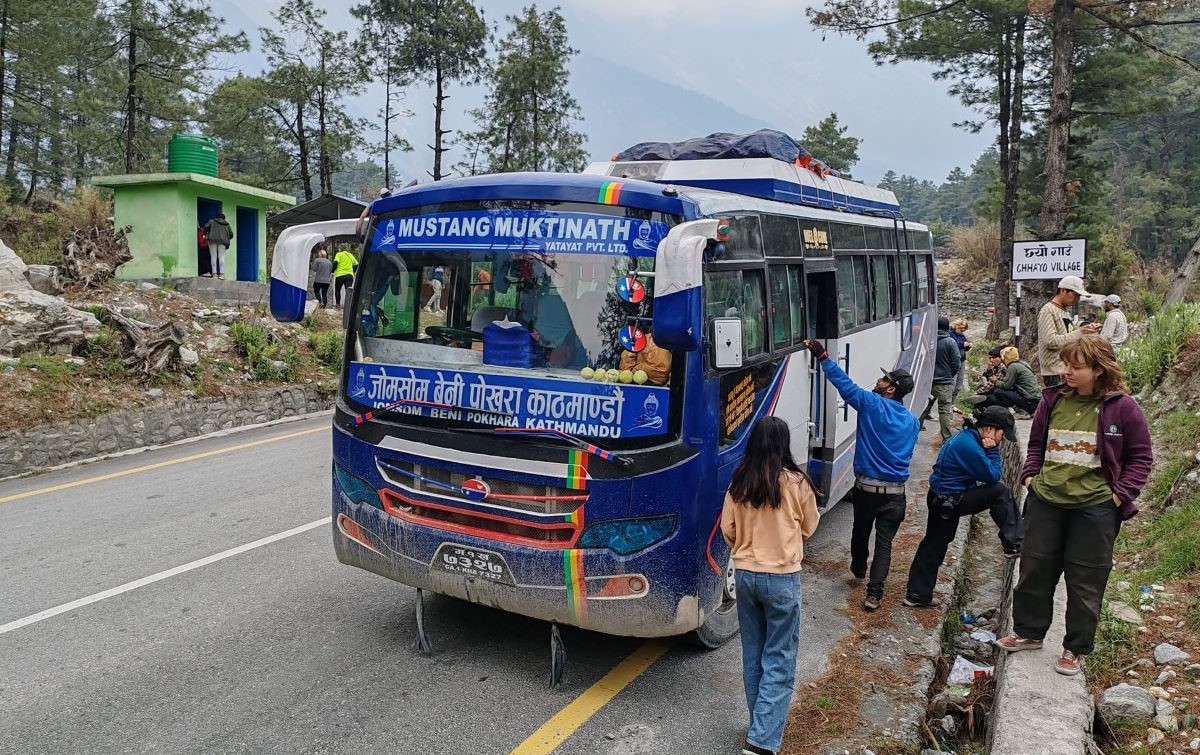
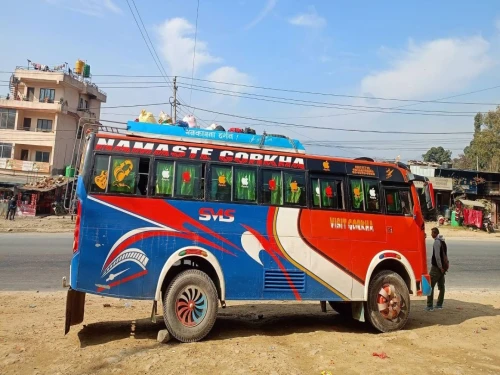
After Thorong La Pass 5416m Local Bus Drive to Pokhara
In Conclusion
So, how hard is the Annapurna Circuit Trek? For most people, it's a challenging but highly achievable adventure. The greatest difficulties come from trekking at high altitude, walking for multiple consecutive days, and crossing Thorong La Pass 5416m, rather than from technical climbing or dangerous terrain.
With a reasonable level of fitness, proper preparation, suitable gear, and a well-paced itinerary, the trek is within reach for many healthy travelers, including first-time Himalayan trekkers. Taking time to train beforehand, packing wisely, and respecting the effects of altitude will make the experience significantly more enjoyable.
Every year, thousands of trekkers from around the world complete the Annapurna Circuit and leave with unforgettable memories of snow-capped peaks, welcoming mountain communities, and one of the most rewarding trekking experiences in Nepal. If you're ready to take on the challenge, careful preparation and the right support will help turn that goal into reality.
Mount Glory Treks crafted a Perfect 12 Days Annapurna Circuit Trek plan for regular hikers. If travelers have limited time in Nepal, then they can choose our Short Annapurna Circuit Trek 10 Days Plan, or if days are no matter and they also want to witness the World Highest Lake Then we have the Annapurna Circuit Trek With Tilicho Lake Package for experienced and longer treks. For more details about the package or further information regarding the trip, you can connect with our Operations Team.
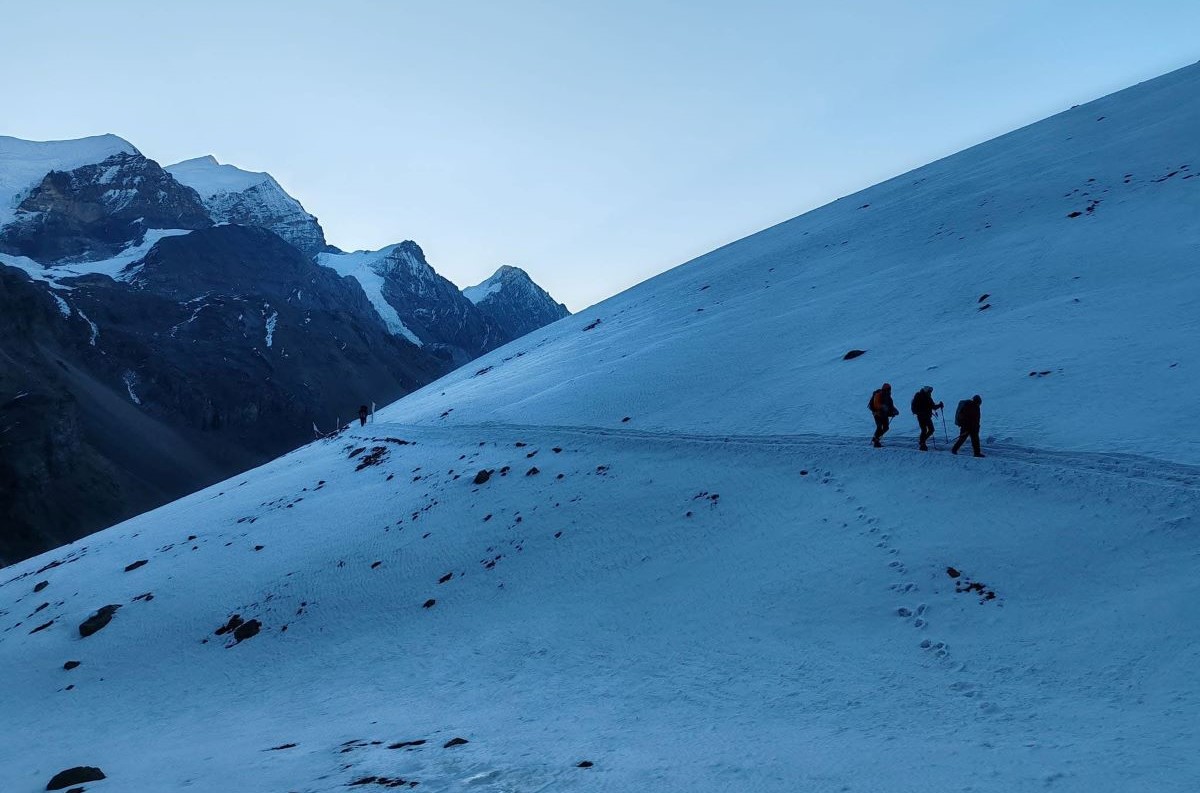
Way to Thorong La Pass 5416m : Walking through Snow
Frequently Asked Questions
1: Is the Annapurna Circuit Trek difficult for beginners? The Annapurna Circuit Trek for beginners is certainly achievable, but it shouldn't be underestimated. While the route doesn't involve technical climbing or mountaineering skills, beginners should be prepared for long walking days, changing weather, and trekking above 5,000 meters. With good physical preparation, a sensible itinerary, and experienced local guidance, many first-time trekkers complete the circuit successfully every year.
2: How fit do you need to be for the Annapurna Circuit Trekking? You don't need marathon-level fitness, but you should be comfortable walking for 5 to 8 hours a day over consecutive days while carrying a light daypack. Regular hiking, brisk walking, stair climbing, cycling, or cardio training in the weeks leading up to your trip will make the trek more enjoyable and help your body cope better with the physical demands of high-altitude trekking.
3: What is the hardest part of the Annapurna Circuit Trek? For most trekkers, crossing Thorong La Pass (5,416 m) is the most demanding section of the Annapurna Circuit Trek. The combination of steep uphill walking, freezing temperatures, early morning starts, and reduced oxygen levels makes this the biggest physical challenge. Fortunately, reaching the pass is also one of the most rewarding moments of the entire journey.
4: Is altitude sickness common on the Trek to Annapurna Circuit? Altitude sickness is one of the main challenges of trekking in the Annapurna region because much of the route climbs above 3,500 meters. It can affect anyone, regardless of age or fitness level. Following a gradual itinerary, staying hydrated, eating well, and recognizing symptoms early greatly reduce the risk and allow your guide to respond quickly if needed.
5: How many hours do you walk each day on the Annapurna Circuit? Most trekkers spend between 5 and 8 hours walking each day, although the duration depends on your itinerary, trail conditions, and pace. Some days are shorter and more relaxed, while the day you cross Thorong La Pass can take 7 to 9 hours, making it the longest and most physically demanding day of the trek.
6: Is the Annapurna Circuit Trek harder than the Everest Base Camp Trek? Both are challenging Himalayan treks, but they test trekkers in different ways. While the Everest Base Camp Trek reaches a higher sleeping altitude and carries a higher risk of altitude-related fatigue, the Annapurna Circuit Trek typically entails longer distances and the strenuous crossing of Thorong La Pass. Many seasoned hikers believe that they are comparable in terms of overall difficulty, with the experience primarily relying on weather, fitness, and acclimatization.
7: Can older trekkers complete the Annapurna Circuit Trek? Yes. Every year, many trekkers in their 50s, 60s, and even 70s successfully complete the Annapurna Circuit. Preparation, trekking at a comfortable pace, and general health are far more important than age. The journey can be made safer and more pleasurable by consulting your physician prior to departure and selecting an itinerary that includes adequate acclimatization.
8: What can I do to make the Annapurna Circuit Trek easier? The best way to lessen the difficulty of the trek is to prepare ahead of time. Developing endurance, carrying the appropriate equipment, wearing trekking boots that fit properly, drinking lots of water, eating wholesome meals, and keeping a steady, slow pace all have a discernible impact. Trekking with a knowledgeable guide also offers helpful assistance with daily planning, altitude control, and navigation.
9: When is the best time to trek the Annapurna Circuit? Spring (March to May) and Autumn (September to November) are typically thought to be the best seasons if you're looking for the easiest trekking conditions. Both novice and seasoned hikers will find the trek more enjoyable during these months due to the consistent weather, dry trails, pleasant daytime temperatures, and clear views of the Annapurna and Dhaulagiri mountain ranges.
10: Why choose Mount Glory Treks for the Annapurna Circuit Trek? Your entire experience can be greatly impacted by your choice of trekking company, particularly on a high-altitude adventure like the Annapurna Circuit. To help you trek safely and confidently, Mount Glory Treks combines knowledgeable local guides, meticulously thought-out itineraries, dependable logistics, and individualized support. Our staff is here to make sure your Annapurna Circuit Trek is well-planned, fulfilling, and customized to your adventure objectives, whether you need guidance on packing, permits, fitness preparation, or choosing the ideal season.
Born and raised in the Mountainous village of Gorkha Nepal. Mr. Pandey is a successful tour leader and a very active social worker contributing a lot to the welfare of society. Mr, Pandey belongs to a very humble background and has started his career as a junior staff in a much-reputed company in Nepal. Mr. Pandey's family background is engaged in the tourism sector for an extended period. After spending many years in research and the drawbacks of tourism development.
Due to his great passion and enthusiasm for the trekking and tourism sector, he started his tour career with many expert teams. He intends to bring revolution to the tourism sector by offering luxurious services and accommodations to travelers at a minimum price. With the Motto of Travellers, satisfaction is my passion. He has been helping many travelers with traveling.

 based on 228 reviews