Early Morning Thorong La Pass 5416m During Annapurna Circuit Trek
The Annapurna Circuit Trek is one of Nepal's most iconic trekking adventures, taking you through lush forests, traditional mountain villages, alpine meadows, and the dramatic landscapes surrounding the Annapurna Massif.
After the Everest region, the Annapurna trek is now the second most popular trek in Nepal due to its steady rise in popularity. Unlike many Himalayan treks, the Annapurna Circuit's scenery and trail conditions change dramatically throughout the year, making the timing of your trip as important as the route itself.
Choosing the best time to do the Annapurna Circuit Trek isn't simply about finding clear skies or nice pictures of you during the journey. It actually influences everything from mountain visibility and trail conditions to temperatures, crowd levels, accommodation availability, and even your chances of crossing the famous Thorong La Pass (5,416 m) safely.
While some trekkers seek vibrant rhododendron forests in spring(February to April), others prefer the crystal-clear mountain panoramas of autumn or the peaceful solitude of winter.
Fortunately, you can enjoy the Annapurna Circuit for the majority of the year. The "best" time ultimately depends on your preferences, level of fitness, and trekking objectives. Every season offers a different experience.
As a trekker myself, I think that each season has advantages and disadvantages of its own, so choosing the ideal time for a trek is up to you and your preferences.
The best months to trek, year-round weather, seasonal benefits and difficulties, and professional guidance to help you select the ideal time for an amazing Himalayan adventure are all covered in this guide.
When Is the Best Time to Do Annapurna Circuit Trek?
Most hikers believe that the best times to complete the Annapurna Circuit Trek are in the spring (March to May) and autumn (September to November). The most consistent weather, pleasant temperatures, good visibility, and dependable circumstances for traversing Thorong La Pass are available during these months.
However, as mentioned earlier, every season has something different to offer:
Rainfall in lower regions, greener landscapes, and fewer visitors
Experienced hikers who are comfortable with the unpredictable weather
In short, the best weather, trail conditions, and breathtaking Himalayan scenery are typically found in April, October, or early November if you're a first-time visitor to Nepal.
Why Timing Matters on the Annapurna Circuit Trek
Unlike shorter trekking routes, the Annapurna Circuit covers a remarkable variety of landscapes and elevations. Beginning in subtropical valleys and climbing to the windswept Thorong La Pass, you'll experience dramatic changes in climate within just a few days.
Even though the Annapurna Circuit is still one of Nepal's most rewarding treks for a large portion of the year, you can plan a safer, more comfortable, and more enjoyable adventure by being aware of these seasonal variations.
Because of this, Annapurna trekking at the right time can greatly improve your overall experience. Furthermore, the seasonal weather affects several important aspects of the journey, including:
Annapurna, Dhaulagiri, Manaslu, Tilicho Peak, and the surrounding Himalayan ranges are all visible.
Thorong La Pass is covered in snow, especially in the winter and early spring.
Trail conditions include icy sections in the winter and muddy paths during the monsoon.
Temperatures during the day and at different elevations.
Teahouse accommodations are available, particularly during the busiest trekking seasons.
Access to transportation and road conditions in the lower Annapurna region.
Seasonal landscapes, wildlife sightings, and photographic opportunities.
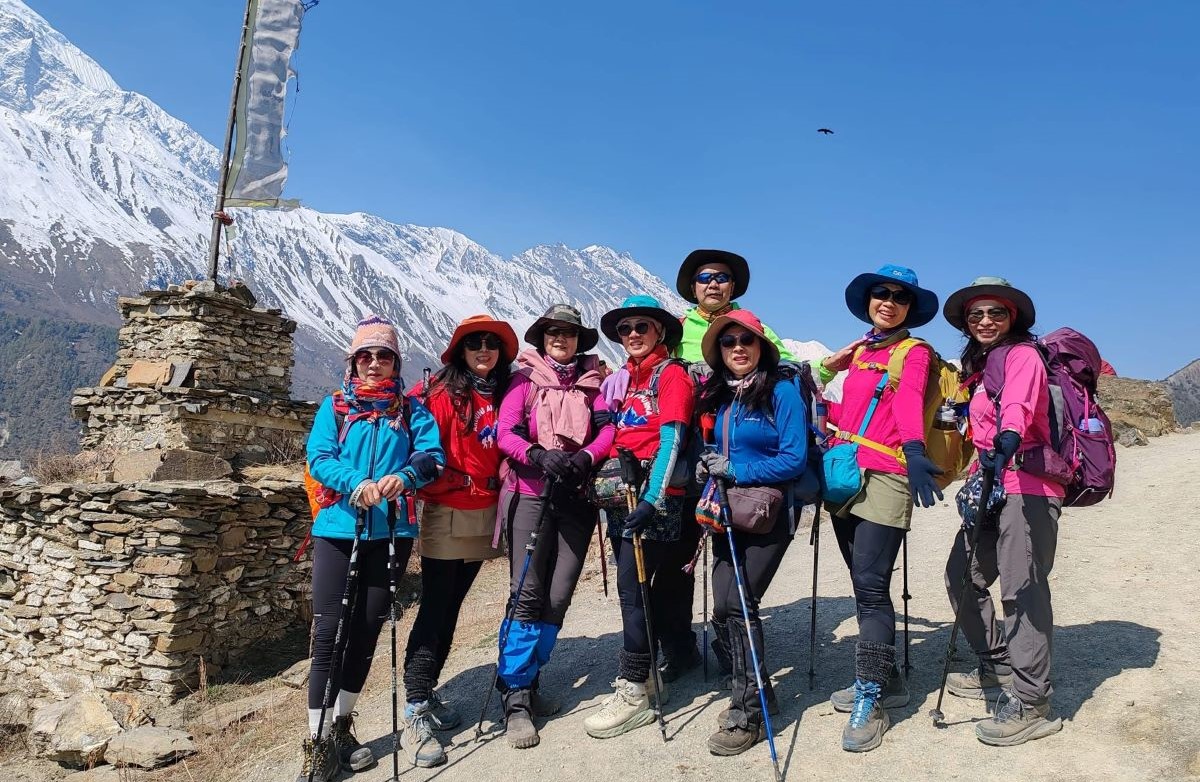
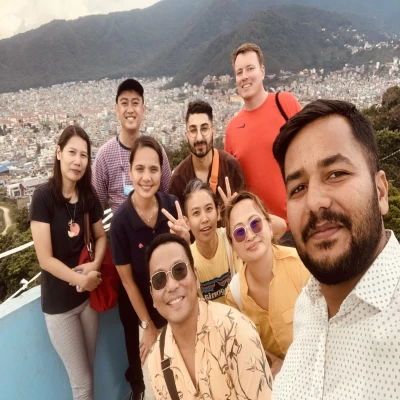
Team From Malaysia are on the way to Annapurna Circuit Thorong La Pass Trek
Understanding the Annapurna Trekking Seasons in Nepal
Nepal's diverse geography and dramatic changes in elevation create four distinct trekking seasons, each offering a unique experience in the Himalayas. From blooming rhododendron forests in spring to crystal-clear autumn skies and peaceful snow-covered winter landscapes, every season transforms the Annapurna Circuit Trek in its own way.
Moreover, the conditions in the Annapurna region vary significantly depending on the season and altitude. Lower elevations around Besisahar and Chame experience a milder climate with forests and farmland, while higher sections such as Manang, Thorong Phedi, and Thorong La Pass (5,416 m) are heavily influenced by alpine weather, where temperatures, snowfall, and wind conditions can change rapidly.
Understanding these seasonal differences is one of the most important steps when planning your trek to Annapurna. The right timing not only determines the scenery you'll experience but also influences trail conditions, mountain visibility, accommodation availability, crowd levels, and the overall comfort of your journey.
Spring (March to May)
Spring is widely considered one of the best times to do the Annapurna Circuit Trek. As winter gradually fades, the trails come alive with colorful rhododendron forests, blooming wildflowers, fresh greenery, and pleasant daytime temperatures. Snow still blankets the higher Himalayan peaks, creating stunning contrasts against the vibrant landscapes below.
The weather during spring is generally stable, making it an excellent season for crossing Thorong La Pass while enjoying spectacular views of Annapurna, Dhaulagiri, Manaslu, Tilicho Peak, and many other Himalayan giants. Comfortable temperatures and longer daylight hours also allow trekkers to enjoy a relaxed trekking pace, making spring a popular choice for both first-time visitors and experienced hikers.
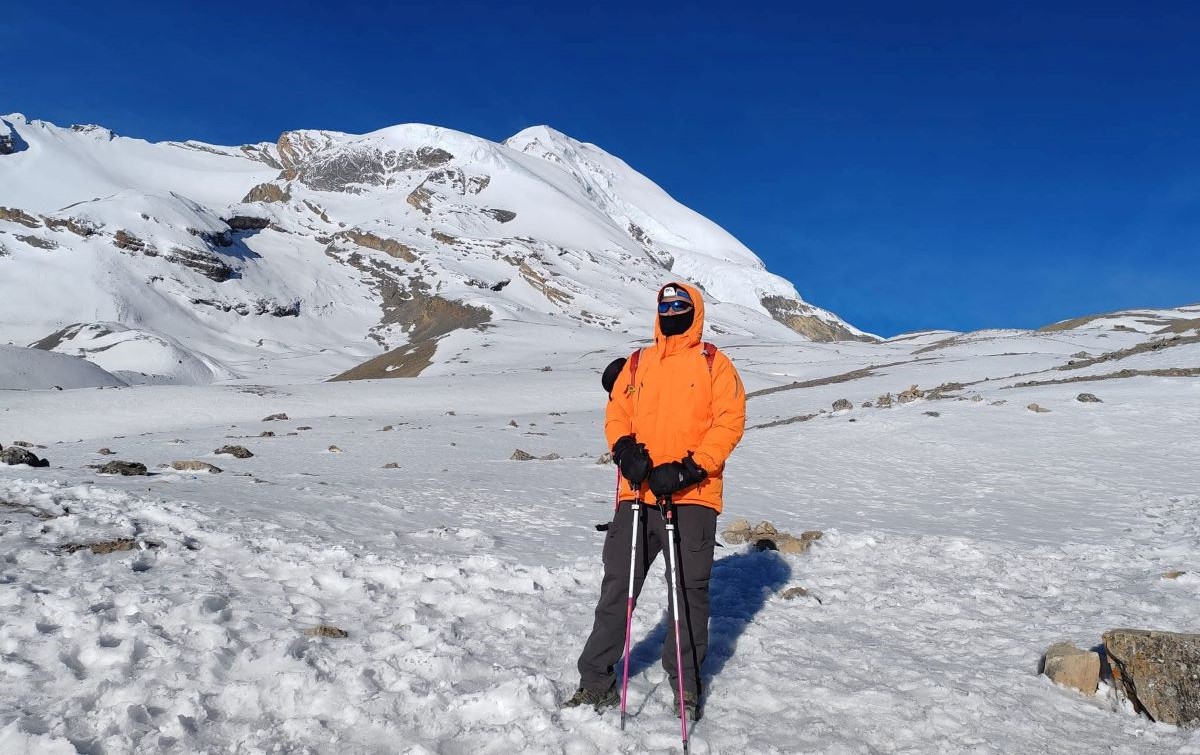
Way to Thorong La Pass 5416m During the Month of April
Summer / Monsoon (June to August)
Summer in Nepal coincides with the monsoon season, bringing regular rainfall to much of the country. The lower sections of the Annapurna Circuit route become lush and vibrant, with dense green forests, flowing waterfalls, and flourishing vegetation. However, heavy rain can also make trails muddy, increase the risk of landslides, and occasionally affect road transportation in the lower valleys.
One unique advantage of the Annapurna is that much of the upper trail, particularly around Manang, lies within the Himalayan rain shadow. These higher areas receive considerably less rainfall than many other trekking regions in Nepal, allowing experienced trekkers to enjoy relatively drier conditions despite the monsoon.
Although mountain views may be limited on cloudy days, those seeking quieter trails and fewer crowds may still find this season rewarding with proper preparation and flexibility.
Autumn (September to November)
Autumn is regarded by many trekkers and mountain guides as the finest trekking season in Nepal. After the monsoon rains clear the atmosphere, the Himalayan landscape appears at its sharpest, with brilliant blue skies, fresh mountain air, and exceptional visibility stretching across the Annapurna and Dhaulagiri ranges.
The weather is typically dry and stable, creating ideal conditions for long trekking days and a safe crossing of the high Pass. Villages along the route are lively with trekkers from around the world, and Nepal's biggest festivals, including Dashain and Tihar, often fall during this season, adding a rich cultural experience to the journey. While trails and teahouses are busier than at other times of the year, the combination of excellent weather, breathtaking scenery, and festive local atmosphere makes autumn the preferred season for many travelers.
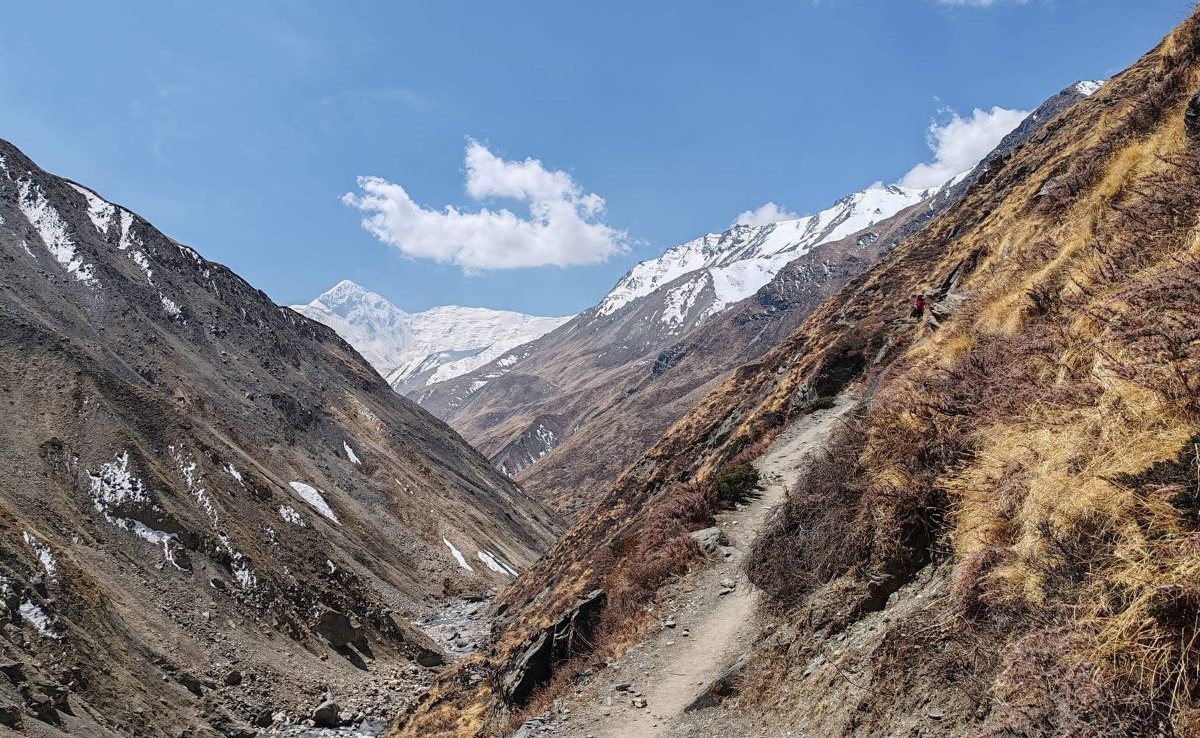
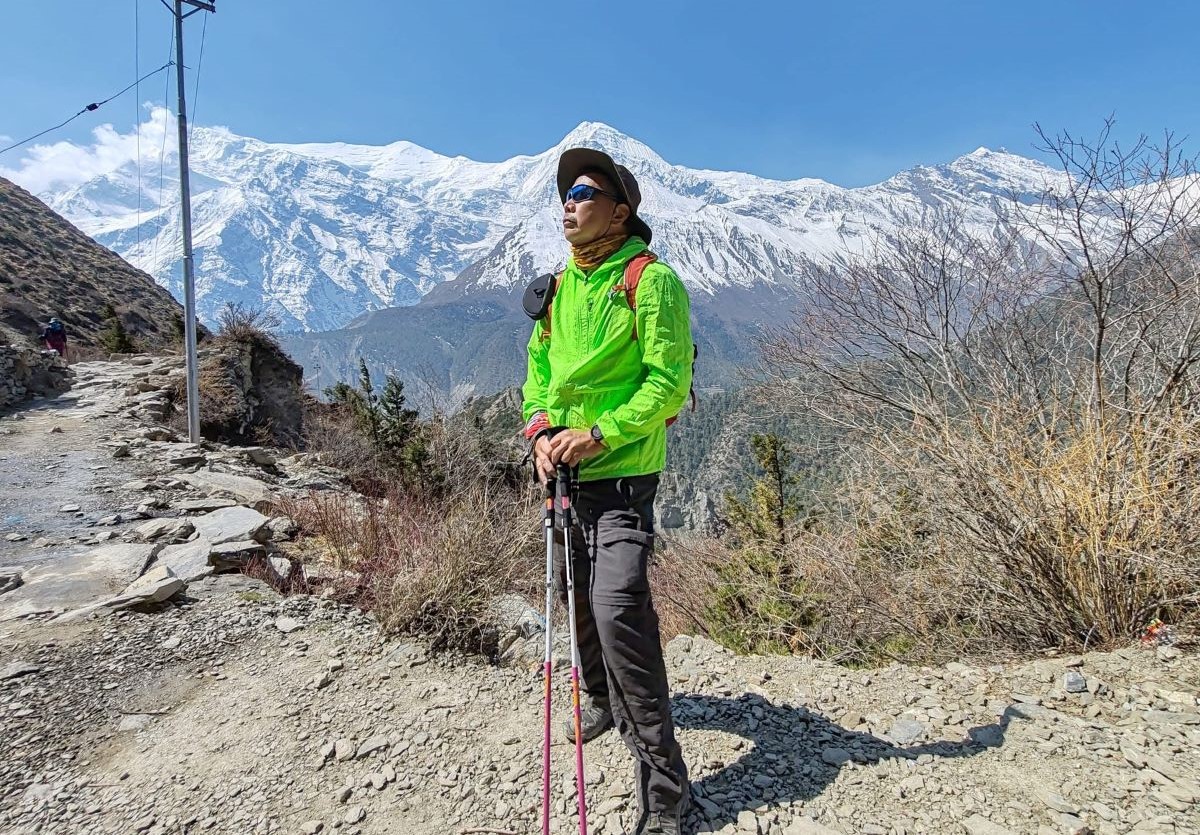
Enjoying the Annapurna Himalayan View During the Month of November
Winter (December to February)
Winter offers a quieter and more peaceful Annapurna Circuit experience, attracting trekkers who prefer solitude and dramatic alpine scenery. Snow-covered mountains, frozen landscapes, and crisp mountain air create an entirely different atmosphere compared to the busier spring and autumn seasons.
Although daytime weather is often clear and sunny, temperatures drop significantly as you gain elevation, particularly around Thorong Phedi and Thorong La Pass, where heavy snowfall can occasionally make the pass temporarily inaccessible. Trekking during winter requires warmer clothing, careful planning, and greater flexibility, but those who come prepared are rewarded with tranquil trails, uncrowded teahouses, and some of the most spectacular winter mountain views Nepal has to offer.
Which Annapurna Circuit Trek Season Is Right for You?
While weather plays a major role in deciding the best time to do the Annapurna Circuit Trek, the ideal season ultimately depends on the kind of adventure you're looking for. Some trekkers prioritize clear mountain views, while others prefer peaceful trails, colorful landscapes, or a more budget-friendly experience. Understanding what each season offers will help you choose the time that best matches your expectations.
For First-Time Trekkers: If this is your first Himalayan trek, spring (March to May) and autumn (September to November) are by far the best choices. These seasons offer stable weather, comfortable temperatures, well-maintained trails, and reliable conditions for crossing Thorong La Pass. Clear mountain views and the availability of teahouses also make the experience more enjoyable and less stressful for beginners.
For Photography Enthusiasts: Every season offers unique photography opportunities, but your ideal time depends on the type of images you want to capture. Spring brings blooming rhododendron forests, fresh greenery, and snow-covered peaks, creating vibrant landscape compositions. Autumn is known for its crystal-clear skies and exceptional visibility, making it perfect for panoramic mountain photography. Winter transforms the Annapurna region into a snowy alpine paradise, while the monsoon adds dramatic clouds, misty valleys, and lush green scenery rarely seen during the peak trekking months.
For Trekkers Seeking Peace and Quiet: If avoiding crowds is your priority, consider trekking during late November, December, February, or the early monsoon season. These months see significantly fewer visitors, allowing you to enjoy quieter trails, peaceful villages, and a more intimate connection with the Himalayan landscape. Although some weather-related challenges are more likely during the off-season, many experienced trekkers appreciate the slower pace and tranquil atmosphere.
For Budget Travelers: Traveling outside the peak trekking seasons can often help reduce overall costs. During quieter months, accommodation is generally easier to find, and some teahouses may offer greater flexibility with room availability. However, it's important to remember that guide fees, permits, and transportation costs remain largely consistent throughout the year. Choosing the cheapest season should never come at the expense of safety, especially when trekking at high altitude.
For Experienced Trekkers: Experienced hikers looking for a more adventurous experience often enjoy winter or the shoulder months, when the trails are less crowded and the landscapes feel more remote. These seasons demand greater preparation, flexibility, and awareness of changing mountain conditions, particularly around Thorong La Pass, but they also offer a rewarding sense of solitude that many seasoned trekkers value.
For Families and Older Trekkers: Families with older children and mature travelers generally find April, October, and early November the most comfortable months for the Annapurna Circuit Trek. Pleasant daytime temperatures, predictable weather, and well-established trail conditions help create a more enjoyable and relaxed trekking experience. Planning a gradual itinerary with sufficient acclimatization days is equally important, regardless of the season.
For Wildlife and Nature Lovers: Nature enthusiasts will find something special throughout the year. Spring is particularly rewarding, with forests filled with blooming rhododendrons, flowering plants, and active birdlife, including Nepal's national bird, the Himalayan Monal. Throughout the higher alpine valleys, lucky trekkers may also spot blue sheep, Himalayan griffon vultures, and grazing yaks against the dramatic mountain backdrop.
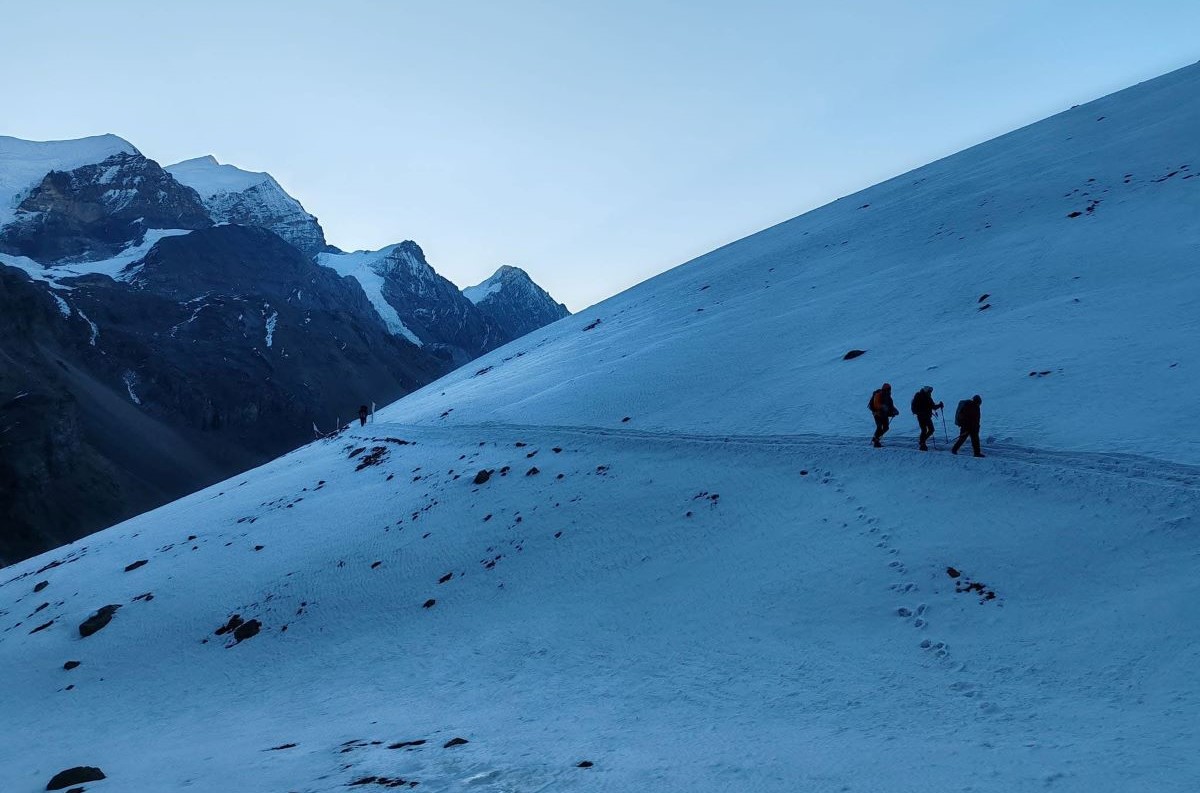
Our Groups are heading towards Thorong La Pass 5416m in the early Morning
Our Recommendation
If you're still wondering about the best time to do the Annapurna Circuit Trek, our recommendation is simple.
For the best overall experience, plan your trek during April, October, or early November. These months consistently offer the ideal combination of stable weather, clear Himalayan views, comfortable trekking temperatures, and reliable trail conditions.
If you prefer vibrant forests and colorful landscapes, spring is an excellent choice. And the breathtaking mountain panoramas are your priority; autumn is hard to beat. Those looking for quieter trails and a more peaceful atmosphere may find winter surprisingly rewarding, while experienced trekkers with flexible plans can still enjoy the Annapurna Circuit during parts of the monsoon season.
One of the best companies for Annapurna trekking, Mount Glory Treks, offers you the Standard Annapurna Circuit Trek With Tilicho Lake as well as the short version in a customizable format that you can alter yourself.
Rather than asking which season is objectively the best, consider which season best matches the experience you're hoping to have. Every trekker's journey is different, and choosing the right time can make your Annapurna Circuit adventure even more memorable.
Frequently Asked Questions
1: When is the best time to do the Annapurna Circuit Trek? The best time to do the Annapurna Circuit Trek is during spring (March to May) and autumn (September to November), when the weather is generally stable, mountain views are at their clearest, and trail conditions are ideal for trekking. These seasons offer comfortable temperatures, excellent visibility, and safer conditions for crossing Thorong La Pass. If you're planning your first trek in Nepal, April, October, and early November are often considered the most rewarding months.
2: Which month is considered the best for the trek to Annapurna Circuit? While the trek can be completed during most months of the year, April and October are widely regarded as the best months. April brings blooming rhododendron forests and pleasant temperatures, whereas October offers crystal-clear Himalayan views and consistently stable weather. Your ideal month ultimately depends on whether you prefer colorful spring landscapes or the exceptional mountain visibility of autumn.
3: Can I do the Annapurna Circuit Trek during the monsoon season? Yes, you can trek during the monsoon season (June to August), although it comes with additional challenges. Lower sections of the trail experience regular rainfall, muddy paths, and occasional landslides. However, higher areas around Manang and Muktinath lie within the Himalayan rain shadow, receiving much less rainfall. With proper preparation and flexible travel plans, monsoon trekking can offer quieter trails and lush mountain scenery.
4: Is winter a good time to trek the Annapurna Circuit? Winter is an excellent option for trekkers seeking peaceful trails, snowy landscapes, and spectacular mountain views. However, temperatures become much colder at higher elevations, and heavy snowfall may occasionally affect Thorong La Pass. If you plan a winter trek, it's important to carry proper cold-weather gear and travel with an experienced guide who can monitor trail conditions.
5: Is spring or autumn better for the Annapurna Circuit Trekking in Nepal? Both seasons are fantastic, but they offer different experiences. Spring is known for blooming rhododendrons, green hillsides, and mild temperatures, making it ideal for nature lovers and photographers. Autumn, on the other hand, offers dry trails, fresh mountain air, and some of the clearest views of the Annapurna and Dhaulagiri ranges. Choosing between the two depends on the type of scenery and trekking experience you're looking for.
6: How difficult is the Annapurna Circuit Trek in different seasons? The overall difficulty of the trek changes with the season. Spring and autumn provide the most comfortable trekking conditions, making them suitable for most hikers with good fitness. Winter can be more demanding due to snow and freezing temperatures, while monsoon trekking requires caution because of slippery trails and unpredictable weather. Selecting the right season plays an important role in making your trek safer and more enjoyable.
7: Will I get clear mountain views throughout the trek? Mountain visibility is usually best during autumn and spring, especially in the mornings when the skies are often at their clearest. During the monsoon, clouds may limit visibility at lower elevations, while winter frequently offers stunning panoramas after fresh snowfall. Although weather in the Himalayas can never be guaranteed, trekking during the main seasons gives you the best chance of enjoying uninterrupted views.
8: Are teahouses and accommodation available year-round? Yes, teahouses along the Annapurna Circuit operate throughout most of the year, although availability varies by season. During the busy spring and autumn months, popular lodges can fill up quickly, making advance planning worthwhile. In winter and the monsoon, you'll generally find more accommodation options available, though a few teahouses at higher elevations may close temporarily depending on weather conditions.
9: How many days should I plan for the Annapurna Circuit Trek? Most trekkers complete the Annapurna Circuit Trek in 12 to 18 days, depending on the chosen itinerary, acclimatization schedule, and side trips such as Tilicho Lake. Allowing enough time helps your body adjust to the altitude and gives you a more enjoyable trekking experience. Rushing the itinerary is never recommended, especially when crossing high mountain passes.
10: Why choose Mount Glory Treks for the Annapurna Circuit Trek? Planning the Annapurna Circuit Trek is about more than simply choosing the right season. At Mount Glory Treks, our experienced local guides help you select the best departure based on current weather, trail conditions, and your trekking goals. From permits, transportation, and accommodation to expert guidance throughout the journey, we take care of every detail so you can enjoy a safe, well-organized, and unforgettable Himalayan adventure.
Born and raised in the Mountainous village of Gorkha Nepal. Mr. Pandey is a successful tour leader and a very active social worker contributing a lot to the welfare of society. Mr, Pandey belongs to a very humble background and has started his career as a junior staff in a much-reputed company in Nepal. Mr. Pandey's family background is engaged in the tourism sector for an extended period. After spending many years in research and the drawbacks of tourism development.
Due to his great passion and enthusiasm for the trekking and tourism sector, he started his tour career with many expert teams. He intends to bring revolution to the tourism sector by offering luxurious services and accommodations to travelers at a minimum price. With the Motto of Travellers, satisfaction is my passion. He has been helping many travelers with traveling.

 based on 228 reviews