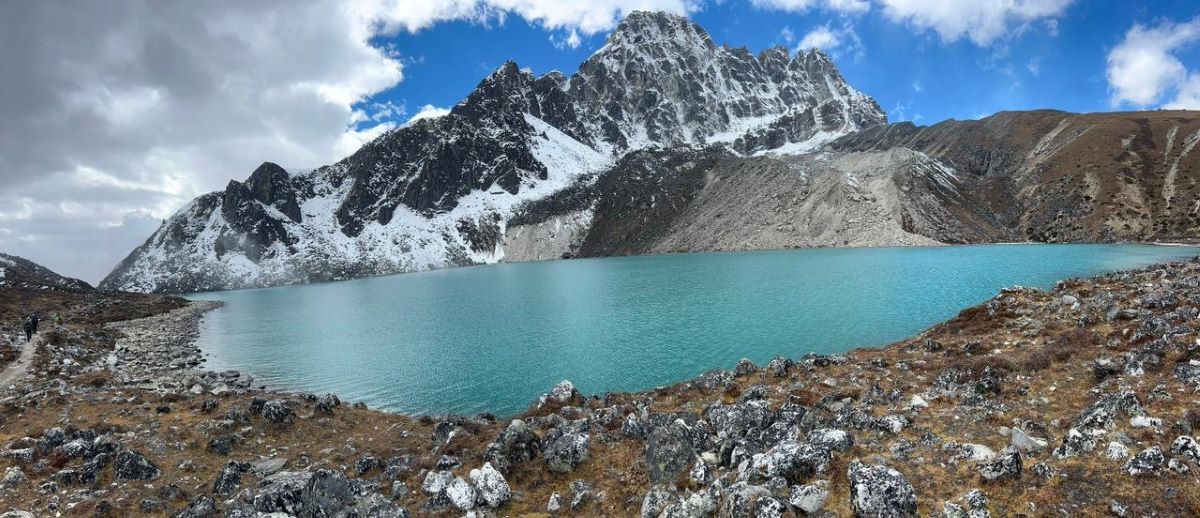
Oligotrophic lakes : Gokyo Lakes located at elevations ranging from 4,700 to 5,000 meters
Hidden deep inside the Everest region of Nepal, the Gokyo Lakes are a collection of high-altitude glacial lakes surrounded by some of the most dramatic landscapes in the Himalayas.
Located in the remote Gokyo Valley, these turquoise-blue lakes sit beneath towering peaks, beside the massive Ngozumpa Glacier, creating one of the most peaceful and visually striking environments in the Khumbu region.
Unlike many famous Himalayan destinations that are known mainly for their trekking routes, Gokyo Lake itself is the attraction. The calm waters reflecting snow-covered mountains, the traditional Sherpa villages nearby, and the quiet atmosphere of the valley make it a place where nature, culture, and spirituality come together.
The Gokyo Lakes are not a single lake but a series of sacred glacial lakes, with the most famous one being Gokyo Cho (Dudh Pokhari), located near Gokyo village at an altitude of around 4,700 meters. These lakes hold religious importance for local Sherpa communities and are considered sacred sites connected with Himalayan Buddhist traditions.
Beyond their natural beauty, the lakes offer a different perspective of the Everest region. While the Everest Base Camp Trail attracts thousands of trekkers every year, the Gokyo Valley provides a quieter journey through alpine landscapes, traditional settlements, and some of the finest mountain viewpoints in Nepal.
The journey to Gokyo Lakes can be experienced in different ways. Some travelers choose the Gokyo Lake Trek to explore the lakes, valley, and Sherpa culture at a leisurely pace, while others combine it with the famous Everest Base Camp Trek Via Gokyo Lakes to reach the iconic base of the world's highest mountain, Everest 8848.86 meters.
Before planning a visit, understanding the location, history, cultural significance, and unique features of Gokyo Lakes helps travelers appreciate why this remote Himalayan destination has become one of Nepal’s most remarkable natural treasures.
The Gokyo Lakes are located in the Gokyo Valley of the Khumbu region, within Sagarmatha National Park in Nepal's Solukhumbu District. This protected area, recognized as a UNESCO World Heritage Site, is home to Mount Everest, diverse Himalayan wildlife, ancient Sherpa settlements, and some of the country's most spectacular alpine landscapes.
Rather than being a single lake, Gokyo Lakes are a system of six major freshwater glacial lakes stretching across the upper Dudh Koshi Valley. They lie at elevations between 4,700 and 5,000 meters (15,420–16,404 feet), making them one of the highest freshwater lake systems in the world.
The best-known lake is Gokyo Cho, also called Dudh Pokhari, which sits beside the small village of Gokyo at approximately 4,790 meters (15,715 feet). This lake serves as the main stopping point of the Gokyo Lake Route for trekkers and is often what people refer to when they mention "Gokyo Lake."
One of the defining features of the valley is the Ngozumpa Glacier, the longest glacier in Nepal. Flowing along the eastern side of the valley, it creates a dramatic contrast between its rugged ice formations and the calm, turquoise waters of the lakes. Together, they form one of the most distinctive landscapes in the Everest region.
Although Gokyo lies within the same national park as Everest Base Camp, the route follows a different valley after Namche Bazaar. Instead of heading east toward Tengboche and Lobuche, the trail climbs northwest through the traditional Sherpa villages of Dole, Luza, and Machhermo before reaching the lakes. This route is generally quieter, allowing trekkers to experience the Khumbu at a slower pace while still enjoying magnificent Himalayan scenery.
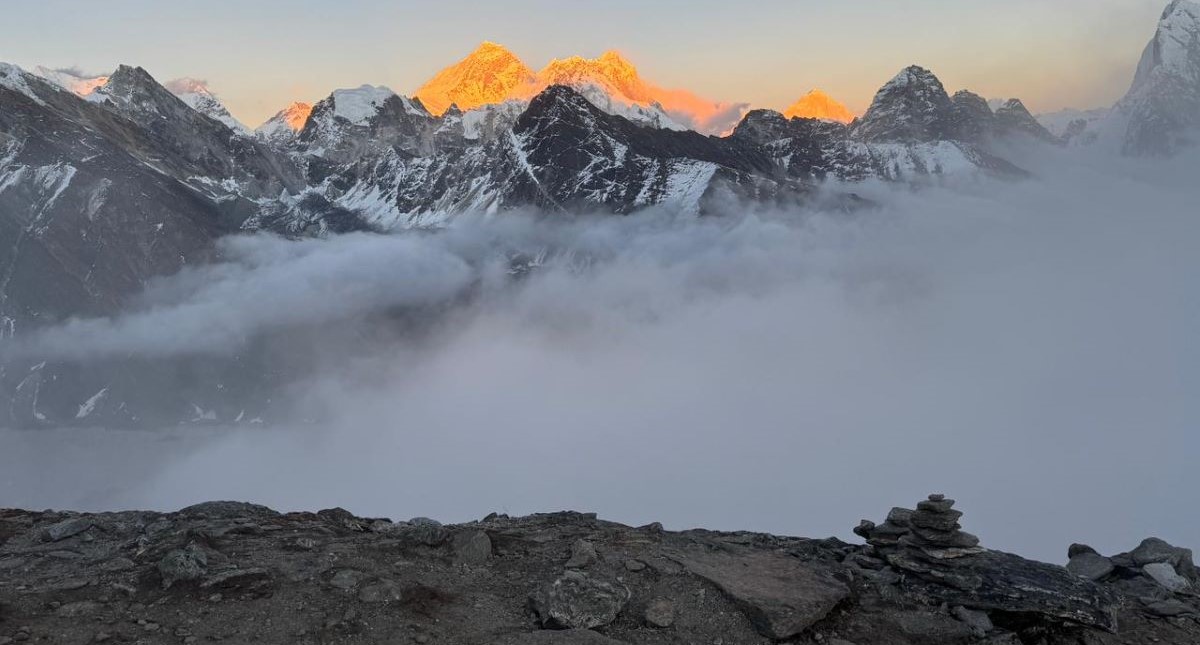
The location of Gokyo Lakes also places them close to one of Nepal's finest viewpoints. A short but steep climb above the village leads to Gokyo Ri (5,357 m), where trekkers are rewarded with sweeping views of Mount Everest, Lhotse, Makalu, Cho Oyu, and countless surrounding peaks.
For many visitors, the combination of the sacred lakes, the glacier, and this remarkable panorama is what makes the trek to Gokyo Lakes one of the most unforgettable destinations in the Himalayas.
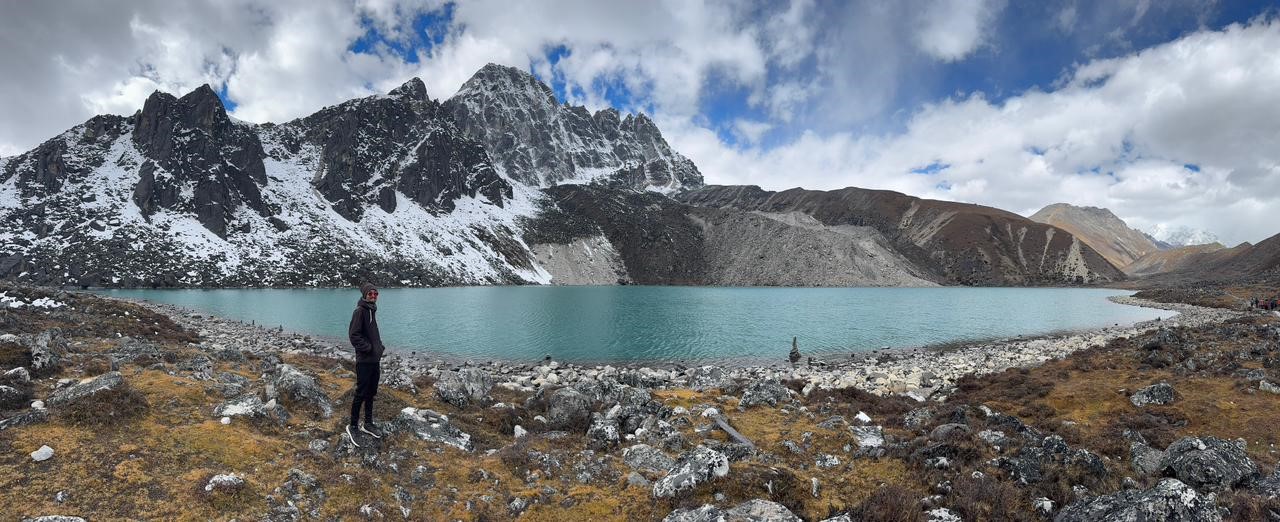
Standing Infront of Gokyo Lakes : Located at Nepal's Sagarmatha National Park at elevations ranging from 4,700 to 5,000 meters.
The History and Cultural Significance of Gokyo Lakes
The serene Gokyo Lakes are an integral part of the Khumbu region's cultural and spiritual identity. Long before the valley became known to trekkers, these lakes were regarded as sacred by the Sherpa community, who have lived in the Everest region for generations.
In Sherpa Buddhist tradition, mountains, rivers, and lakes are believed to be the home of protective deities and spirits. Because of this belief, the Gokyo Lakes are treated with great respect. Local people avoid polluting the water, and visitors are encouraged to do the same by following responsible trekking practices and leaving no trace behind.
The lakes also hold significance for Hindu pilgrims. During Janai Purnima, one of Nepal's important religious festivals, devotees travel to Gokyo to take a ritual bath in the icy waters, believing it brings spiritual purification and blessings. Although the pilgrimage is much smaller than those at lower-altitude sacred sites, it reflects the lakes' importance in both Hindu and Buddhist traditions.
Historically, the Gokyo Valley was never a major trading route like some other Himalayan passes. Instead, it was a seasonal grazing area where Sherpa families brought their yaks during the warmer months. The stone shelters, yak pastures, and traditional lodges found around the valley today are reminders of a lifestyle that has existed here for centuries.
The region gained international attention in the second half of the twentieth century as trekking in Nepal became more popular. While the Everest Base Camp route developed into one of the world's most famous trekking trails, Gokyo remained comparatively quieter, attracting travelers looking for a less crowded way to experience the Everest region.
Today, the Gokyo Lakes are protected as part of Sagarmatha National Park and are also recognized under the Ramsar Convention as a wetland of international importance. This acknowledgment emphasizes both their ecological significance and their stunning beauty. In one of the most hostile mountain environments on earth, the lakes sustain delicate high-altitude ecosystems and offer a vital freshwater habitat.
How Were the Gokyo Lakes Formed?
Thousands of years of glacial activity are responsible for Gokyo Lake's beauty. The movement of glaciers and the natural accumulation of water in the Himalayan terrain created these lakes.
There are six large lakes in the Gokyo Valley:
Longponga Tsho
Taujung Tsho
Gokyo Cho (Dudh Pokhari)
Thonak Cho
Ngojumba Tsho
Gyazumpa Tsho
The striking blue-green color of the lakes comes from glacial minerals suspended in the water. Combined with the reflection of surrounding peaks, the scenery creates one of the most photographed landscapes in Nepal.
Another major feature of the valley is the Ngozumpa Glacier, which stretches below the towering mountains. Walking near this glacier gives trekkers a close look at the powerful geological forces that continue shaping the Himalayas.
Stunning Everest Himalayan Range from Gokyo Ri 5357m during Gokyo Ri Trek 11 Days
Route to Gokyo Lakes
Visiting Gokyo Lakes is a part of the experience itself, in contrast to many locations that can be reached by road. Trekking through the Himalayas is the only way to get to the lakes because they are located deep within the Khumbu region.
Typically, the trip starts with a flight to Lukla and continues for several days through Sherpa villages, pine and rhododendron forests, suspension bridges, and high mountain valleys. The scenery gradually shifts from verdant hillsides to alpine terrain as the trail ascends, finally opening into the serene Gokyo Valley next to the Ngozumpa Glacier.
There are several ways to experience the lakes depending on your interests. Travelers who want to spend more time exploring the valley, visiting the lakes, and enjoying the quieter side of the Everest region often choose the Gokyo Lake Trekking. Those looking to combine the lakes with one of Nepal's best mountain viewpoints usually include a visit to Gokyo Ri, where a short but rewarding climb yields panoramic views of Everest, Lhotse, Makalu, Cho Oyu, and dozens of other peaks.
Some experienced trekkers visit Gokyo as part of the Everest Three Passes Trek, which connects the valley to Everest Base Camp and the high Himalayan passes.
Although each route is distinct, Gokyo remains a highlight for many visitors due to its unique combination of natural beauty, Sherpa culture, and a sense of tranquillity that is becoming increasingly rare in the Everest region.
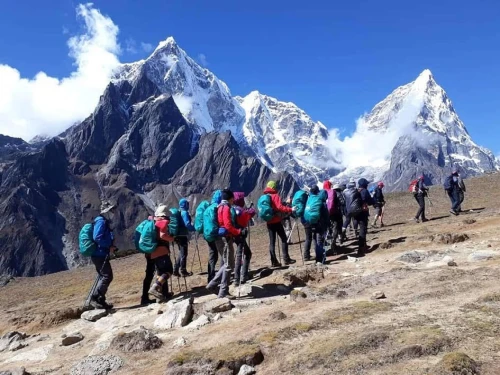
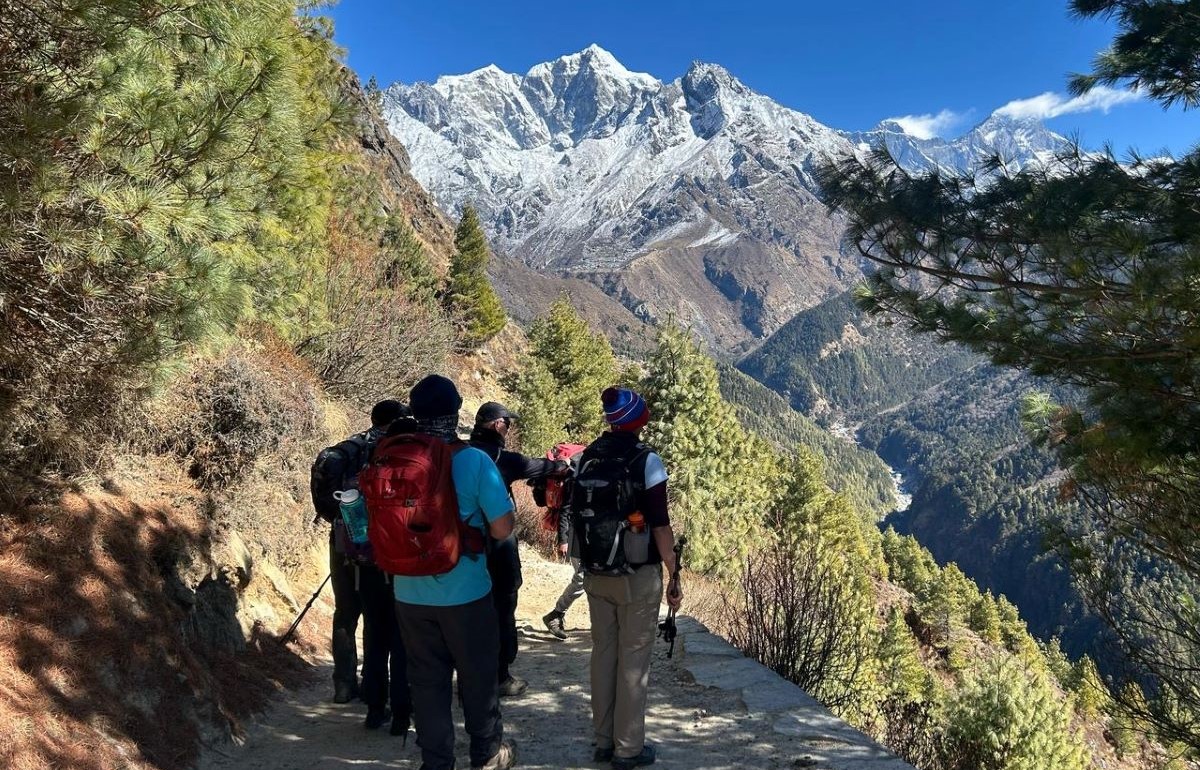
Trekkers are on the way to Gokyo Lake/Gokyo Ri from Namche Bazar during Gokyo Lake Trek 12 Days
Things to Know Before Visiting Gokyo Lakes
A journey to the Gokyo Lakes is about adapting to a high-altitude environment and respecting the challenges of mountain travel. A little preparation can make the experience much more comfortable, allowing you to focus on the scenery, culture, and peaceful atmosphere of the serene Gokyo Valley.
Acclimatization and Altitude: The Gokyo Lakes are located at around 4,700 meters, while the climb to Gokyo Ri takes you above 5,300 meters. Since oxygen levels are much lower at these elevations, giving your body enough time to adjust is essential. A gradual itinerary, proper hydration, and a steady walking pace help reduce altitude-related risks.
Accommodation and Facilities: Most trekkers stay in traditional teahouses along the route. These local lodges provide basic but comfortable rooms, warm meals, and an opportunity to experience genuine Sherpa hospitality. Facilities become simpler as you gain altitude, which is part of the authentic Himalayan trekking experience.
Permits and Conservation: Since Gokyo Valley lies inside Sagarmatha National Park, trekkers need the required permits before starting the journey. These regulations help protect the fragile Himalayan environment and support conservation efforts in one of Nepal's most important natural areas.
Packing and Preparation: Weather in the Himalayas can change quickly, so proper gear is important. Warm layered clothing, comfortable trekking boots, sunglasses, sunscreen, trekking poles, and essential personal items can make a significant difference during the journey. Moreover, choosing the best time for Gokyo Lakes also largely impacts your experience.
Respecting Local Culture and Environment: Gokyo Lakes hold deep spiritual importance for the Sherpa community. Visitors should respect local traditions, avoid littering, and follow responsible trekking practices to help preserve the natural and cultural heritage of the valley.
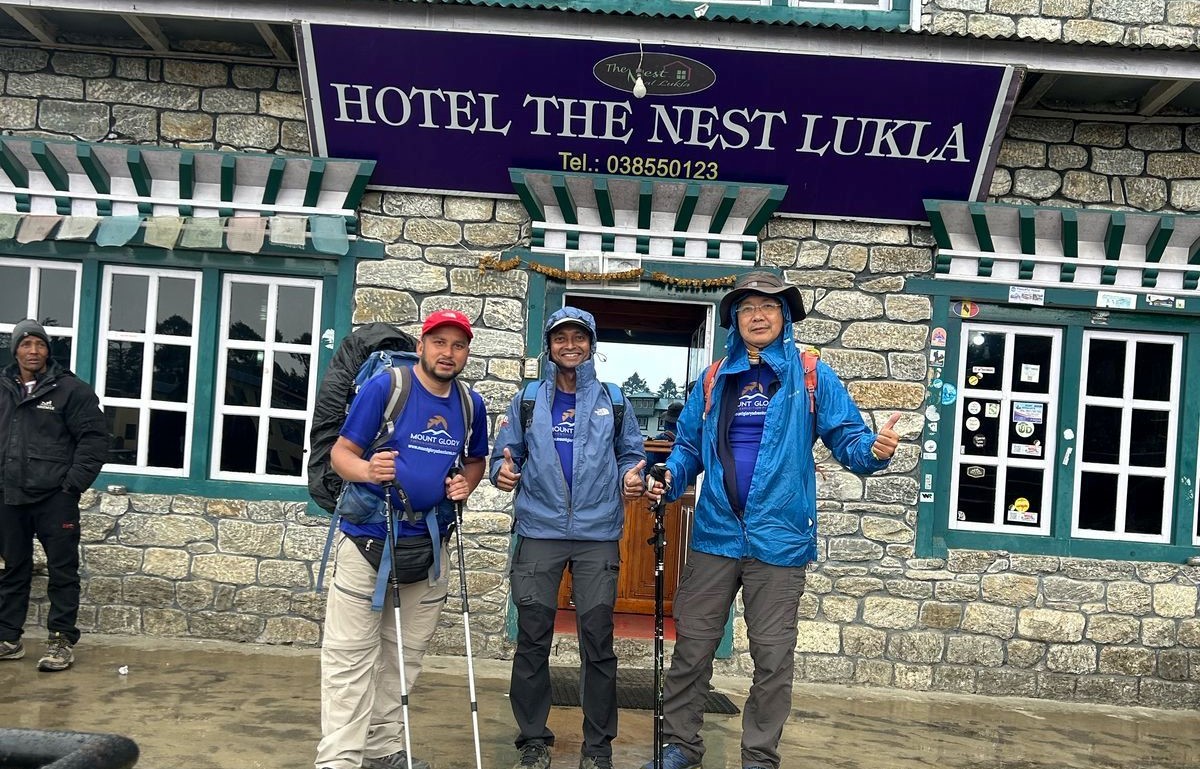
Our Experienced Guide Amy and Trekkers are at Lukla : The Getaway of Everest region
Conclusion
Gokyo Lakes is one of those places where the journey matters as much as the destination itself. The walk through Sherpa villages, the changing mountain landscape, and finally seeing the blue lakes surrounded by giant Himalayan peaks are all parts of what make the experience special.
Unlike some of the more crowded areas of the Everest region, Gokyo still feels calm and personal. You have time to enjoy the views, talk with local people, and appreciate the simple rhythm of life in the mountains. The lakes, the glacier, and the surrounding peaks create a landscape that stays with you long after you leave.
If you are planning your Gokyo journey and need help choosing the right route, Mount Glory Treks can assist with local guidance, experienced guides, and trekking options based on your time and preferences. The goal is not just to complete the trek but to experience Gokyo in a way that feels right for you.
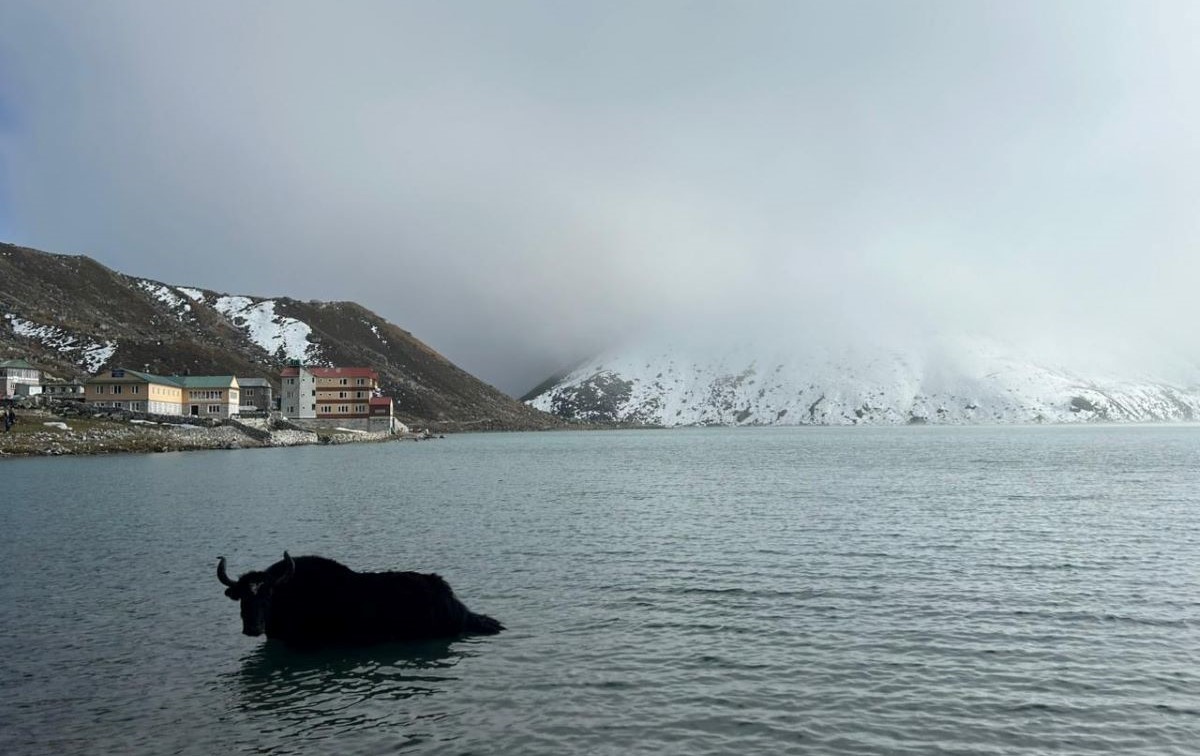
Mountain Yak at Gokyo Lakes
Frequently Asked Questions
1: Where are Gokyo Lakes located in Nepal? Gokyo Lakes are located in the Gokyo Valley of the Khumbu region, within Sagarmatha National Park in Solukhumbu District, Nepal. The lakes sit at an altitude of around 4,700 meters and are surrounded by some of the highest peaks in the world, including Everest, Cho Oyu, and Lhotse.
2: Why is Gokyo Lake famous? Gokyo Lake is famous for its stunning turquoise color, peaceful Himalayan setting, and incredible views of surrounding mountains. Unlike some busier areas of the Everest region, Gokyo offers a quieter experience with sacred lakes, Sherpa villages, the Ngozumpa Glacier, and breathtaking alpine landscapes.
3: How many lakes are there in the Gokyo Valley? The Gokyo Valley contains a series of six major glacial lakes. Among them, Gokyo Cho (Dudh Pokhari) is the most famous and the one most visitors refer to as Gokyo Lake. These lakes are known for their beauty as well as their religious importance among local communities.
4: What is the best time to visit Gokyo Lakes? The best time to visit Gokyo Lakes is generally during spring (March to May) and autumn (September to November). Spring brings pleasant weather and colorful landscapes, while autumn offers the clearest mountain views and stable trekking conditions. Winter is also possible for experienced trekkers who prefer quieter trails and snowy scenery.
5: Is the Gokyo Lake Trek difficult? The Gokyo Lake Trek is considered a moderate to challenging high-altitude trek. The main challenge is not technical climbing but the altitude, as the trail reaches nearly 5,000 meters. With proper acclimatization, a steady pace, and good preparation, many regular trekkers can complete the journey successfully.
6: What is the difference between Gokyo Lake Trek and Gokyo Ri Trek? The Gokyo Lake Trek focuses more on exploring the valley, sacred lakes, Sherpa villages, and the peaceful surroundings of the region. The Gokyo Ri Trek includes the same highlights but adds the climb to Gokyo Ri (5,357 m), one of Nepal’s finest viewpoints, offering panoramic views of Everest, Lhotse, Makalu, and Cho Oyu.
7: Can beginners do the Gokyo Lakes Trek? Beginners with good fitness and proper preparation can complete the Gokyo Lakes Trek, although it is important to understand that this is a high-altitude Himalayan trek. First-time trekkers should allow enough time for acclimatization and avoid rushing the itinerary.
8: How long does it take to complete the Gokyo Lake Trek? Most Gokyo Lake Trek itineraries take around 10 to 14 days, depending on the route, acclimatization days, and whether you include additional viewpoints or destinations. A slower itinerary is usually more enjoyable because it allows trekkers to properly experience the valley.
9: Do I need a guide for the Gokyo Lakes Trek? A guide is not compulsory for every experienced trekker, but having a local guide can make the journey easier, especially in terms of navigation, altitude management, accommodation arrangements, and understanding Sherpa culture. Many travelers choose guided treks because they prefer local knowledge and support throughout the journey.
10: Why choose Mount Glory Treks for the Gokyo Lake Trek? Choosing a trekking company is not only about arranging transportation and accommodation; it is also about having reliable local support throughout the journey. Mount Glory Treks helps travelers explore the Gokyo region through carefully planned Gokyo Lake Trek and Gokyo Ri Trek packages with experienced local guides and flexible options based on different travel styles and expectations.
Born and raised in the Mountainous village of Gorkha Nepal. Mr. Pandey is a successful tour leader and a very active social worker contributing a lot to the welfare of society. Mr, Pandey belongs to a very humble background and has started his career as a junior staff in a much-reputed company in Nepal. Mr. Pandey's family background is engaged in the tourism sector for an extended period. After spending many years in research and the drawbacks of tourism development.
Due to his great passion and enthusiasm for the trekking and tourism sector, he started his tour career with many expert teams. He intends to bring revolution to the tourism sector by offering luxurious services and accommodations to travelers at a minimum price. With the Motto of Travellers, satisfaction is my passion. He has been helping many travelers with traveling.

 based on 228 reviews