Mount Everest: The Crown of Sagarmatha National Park
Let us begin with the main attraction of the Sagarmatha National Park: Mount Everest, the highest point on Earth at 8848.86 metres. Everest is referred to locally in Nepal as Sagarmatha, which means "Head of the Sky", and Chomolungma, which means "Goddess Mother of the World" in Tibetan.
Everest is located in the national park's northern section and is part of Nepal's longest Himalayan range, the Mahalangur Himalayan Range. Surrounded by other iconic peaks such as Lhotse, Nuptse, Ama Dablam, Thamserku, and many others, it also serves as the source of glaciers such as the Khumbu Glacier and the Rongbuk Glacier.
Mt. Everest serves as a symbol of Nepal's natural identity, attracting thousands of trekkers and climbers each year who hope to summit the world's highest peak or reach its base camp, which is EBC.
Additionally, it has strong ties to Buddhism and Sherpa culture, which is why the people regard it as sacred. Everest has the most popular trekking routes in Nepal, including the Everest Base Camp Trek, Kala Patthar viewpoint, and the Everest 3 Pass Trek for closer views of the peak, all of which contribute to the park's world heritage value.
Everest View Hotel: The World’s Highest Luxury Hotel
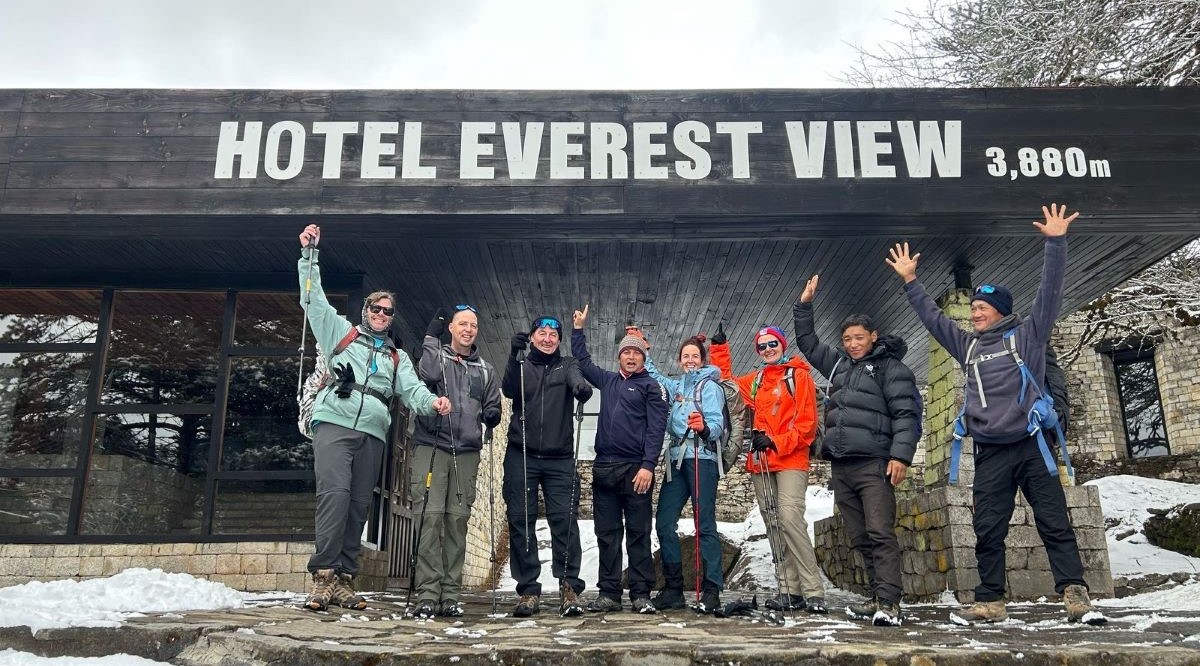
Another important feature of Sagarmatha National Park that should not be overlooked is the famous Everest View Hotel, which is located at 3880 meters in Syangboche, which is within the park.
Guinness World Records recognised it as the highest-placed hotel in the world when it opened in 1971. Everest View Hotel provides panoramic views of Everest and neighbouring peaks directly from its terrace, which is unrivalled by any other hotel.
This is why it remains a popular stop for trekkers on their way to EBC or during acclimatisation days in Namche Bazaar. Furthermore, most of our Everest region packages include a stop at Everest View Hotel, which is accessible via a short hike from Namche Bazaar or by helicopter tours, providing a luxurious yet adventurous experience.
Despite its remote, high-altitude location in the Khumbu region, it offers modern amenities such as a restaurant, bar, and sunroom. This luxury hotel combines comfort and adventure, demonstrating that Sagarmatha National Park provides more than just rugged trails.
Flora and Fauna of Sagarmatha National Park
Speaking of the park's vegetation, it varies with elevation, with rhododendron and pine forests found at lower elevations and alpine shrubs and meadows at higher elevations, as well as bare rock and ice near Everest.
Furthermore, Sagarmatha National Park is home to a variety of rare wildlife, including Snow Leopard, Red Panda, Himalayan Tahr, Musk Deer, and many others, which you may see during your trek. Together with its unique fauna, the Everest region is a haven for birds, supporting more than 200 species, including the Himalayan Monal, Nepal's national bird, and the Blood pheasant.
While trekking, eco-tourists and nature lovers are drawn to the unique and uncommon flora and fauna of the high-altitude Everest region.

Cultural and Religious Significance of Sagarmatha National Park
The Khumbu region is home to the Sherpa people, who are well-known for their mountaineering abilities and have the most experience in harsh mountain environments. Furthermore, the Sherpa people of Sagarmatha National Park are extremely welcoming and open to visitors.
There is no doubt that Buddhism shapes local life in the Sagarmatha region and is heavily influenced by Tibetan cultures. Monasteries such as Tengboche, Pangboche, and Thame are spiritual centres in the region with centuries of history.
Both Buddhism and Hinduism consider the area's mountains and lakes to be sacred and worship them. Monks and locals gather for masked dances and rituals during yearly festivals like Mani Rimdu.
You will see prayer flags, mani stones, and chortens along the Everest routes, which combine spirituality with trekking routes and offer prayers for a successful journey. Respectful tourism and conservation are encouraged by cultural values associated with the landscape.
Additionally, if you want to experience the festivals and culture of the Khumbu region, we offer custom travel packages that will fully immerse you in the rich Sherpa culture.
Travel Tips for Visitors
Best time to visit
In contrast, the Sagarmatha National Park area offers varying advantages according to the season and is accessible throughout the year. However, spring (March–May) and autumn (September–November) are the ideal seasons to go.
In the spring, the trails are lined with blooming rhododendrons, and the weather is pleasant enough to go trekking. The views of neighbouring peaks are clearly visible under crisp skies, providing breathtaking panoramic views.
Autumn, on the other hand, follows the monsoon season, leaving the mountains clean and the air clear, allowing for the best views of the Himalayan giants of the Everest region. Furthermore, this season is ideal for learning about Sherpa culture and attending local festivals, which will add a cultural dimension to your trek.
The winter and monsoon seasons bring many risks and challenges, making them unsuitable for the majority of tourists.
Required permits
While trekking through Sagarmatha National Park, you will need three permits, which are required for all trekkers entering the park.
- Sagarmatha National Park Entry Permit: NPR 3,000
- Khumbu Rural Municipality Permit: NPR 3,000
These permits serve a variety of purposes, including supporting local conservation and development in the region, as well as assisting trekkers with safety and rescue. Furthermore, all permits and management fees are included in our Everest trek packages, so you won't have to worry about them.
Accommodation and Food options
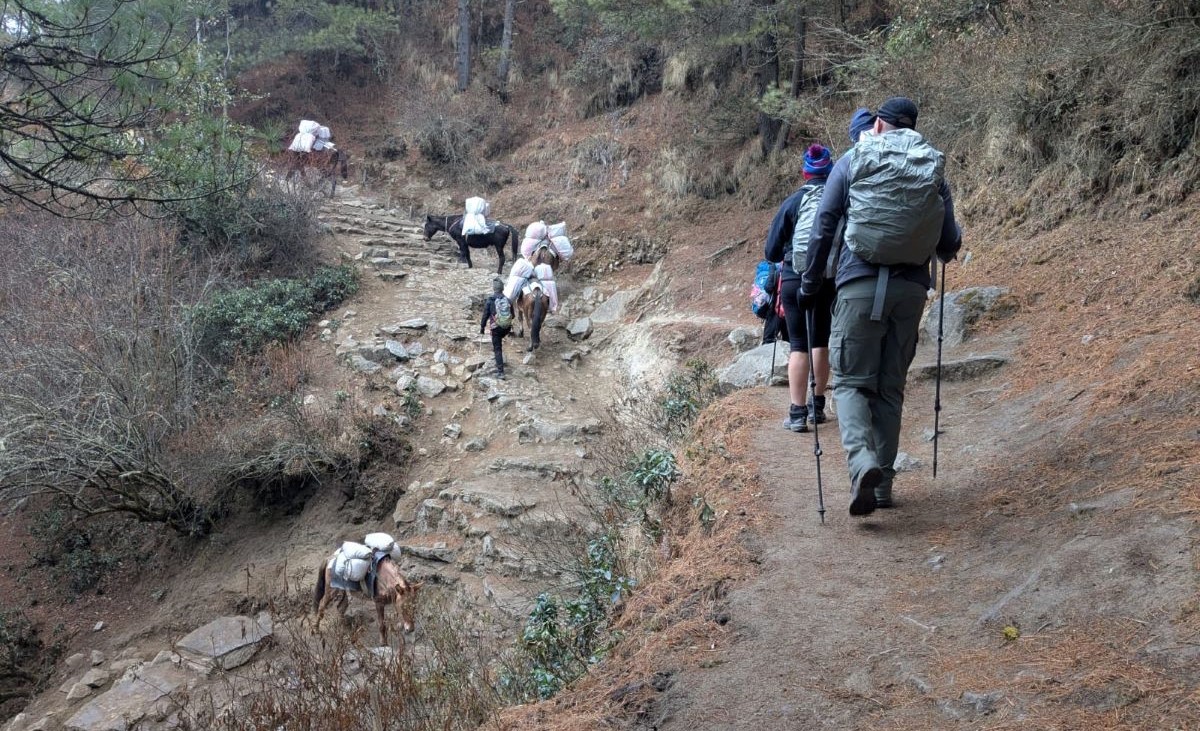
Trekkers in Sagarmatha National Park typically stay in teahouses along popular routes such as EBC, Gokyo Lakes, and the Three Pass Trek. But, depending on your preferences and budget, luxury facilities are also available in the Khumbu region.
The basic teahouses are family-run lodges that provide rooms with warm blankets, shared or private bathrooms, and solar-powered electricity. Furthermore, charging and wifi are available, but they cost extra money due to the remote location.
In terms of food options, the meals in the region are hearty and energy-rich, making them ideal for high-altitude trekking. Popular options include Dal Bhat, Momo, and Thukpa, but American foods are also available.
Popular Trekking Routes in the Everest Region
Everest Base Camp Trek
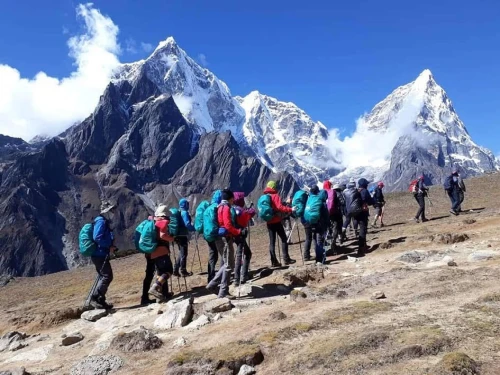
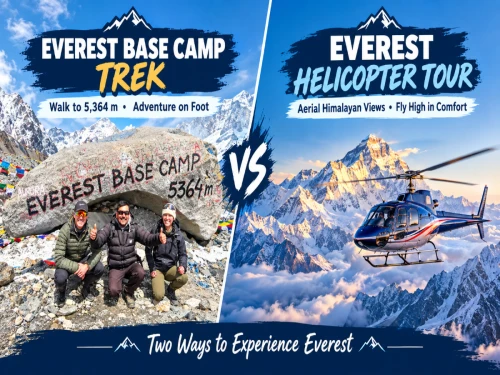
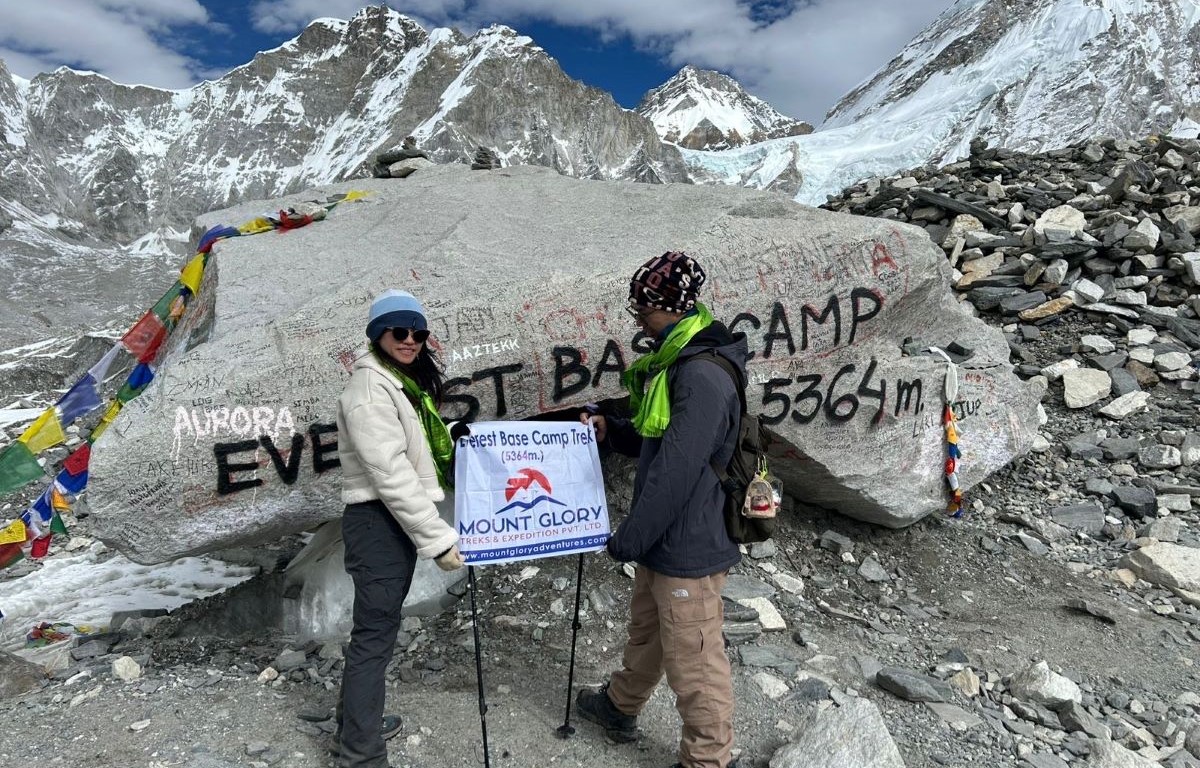
The Everest Base Camp Trek is the most popular trek in Sagarmatha National Park, taking you to the base of the world's highest mountain. The EBC trek, which takes 14 days to complete, is an adventurous trek in the Khumbu region that includes the majority of Sagarmatha's experiences. The highest points of this trek are the EBC (5,364 m) and Kala Patthar (5,555 m), which offer you majestic views of Everest and the surrounding peaks.
It is ideal for families, couples, and friends, and the difficulty ranges from moderate to challenging. Mount Glory has expertly crafted EBC trek packages that include proper acclimatisation days to reduce the risk of altitude sickness and ensure your trek's success.
Gokyo Lake Trek
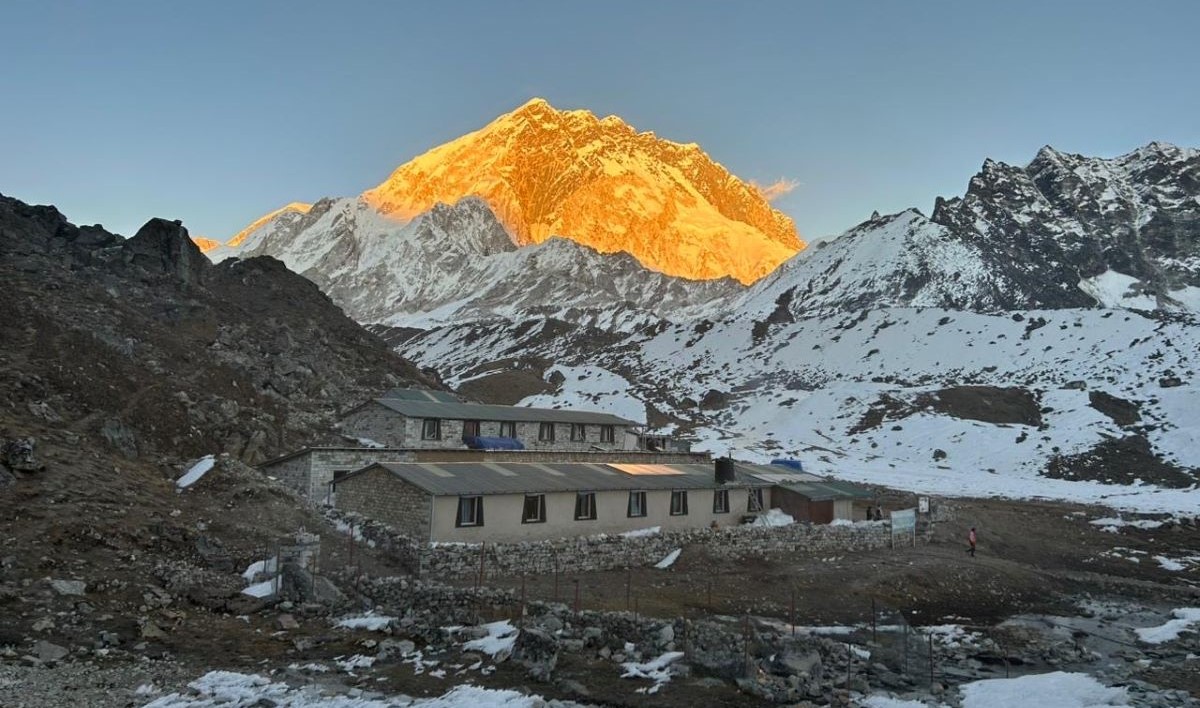
Another popular Everest trekking route is the Gokyo Lake trek, which takes about 12 days and takes you to the alternative of EBC, where you can see the serene turquoise lakes that live peacefully in the Gokyo Valley of Sagarmatha National Park.
Compared to EBC trekking, Gokyo Lake is less technical and easily accessible with fewer crowds. The highest point on the trek to Gokyo Ri (5357 m) is the best place to watch the sunrise in the Khumbu region.
If you prefer a faster trek with fewer crowds as an alternative to the EBC trek, we have the Gokyo Lake trek, which can be tailored to your preferences.
Everest's Three Pass Trek
The Everest Three Pass Trek is one of the most challenging treks in the Khumbu region, passing through high-altitude passes such as Kongma La (5535 m), Cho La (5420 m), and Renjo La (5360 m).
Compared to other Everest treks, the three passes trek is more technical and high altitude, so it is best suited for experienced trekkers. The Everest three passes trek is made possible by proper preparation and accommodation, as well as a team of experienced guides and porters.
Island Peak Climbing
Island Peak Climb (Imja Tse) is an adventurous expedition in the Everest region that peaks at 6,189 metres and is ideal for climbers preparing for other Himalayan giants. Island Peak Climbing takes about 15 days and is a thrilling journey to one of the peaks in the Khumbu region. Furthermore, you can also combine the EBC trek with Island Peak Climbing.
Check out our Island Peak Climbing travel package to learn more about the cost, preparation, best time, and other details.
Mera Peak Climbing
Another popular climb in the Sagarmatha National Park is Mera Peak, which stands 6,476 metres tall and alternates with EBC. Unlike Island Peak, Mera Peak cannot be combined with the EBC trek; however, it is higher and has better views from the top.
Lobuche Peak Climbing
The Lobuche Peak, which stands 6,119 metres tall, is a popular practice climb for climbers planning to summit 7,000-meter mountains.
Trekkers can experience high-altitude climbing there without having to deal with the technical difficulties of peaks like Island or Mera. Crampons, experience with ice axes, and a basic understanding of mountaineering are required for this moderate climb.
Packages by Mount Glory Treks in the Everest Region
In addition to the well-travelled paths in Sagarmatha National Park, Mount Glory Treks provides comparable and personalised packages that may meet your requirements. Some of the most popular packages in the Everest Region by Mount Glory Treks are the EBC trek with Helicopter return, Everest Panorama View Trek, EBC with Gokyo Lake, Everest View Trek, One-day EBC helicopter tour, Budget Everest Trek, and EBC 3-day trek.
In Conclusion
Sagarmatha National Park is a unique blend of breathtaking Himalayan landscapes, rare wildlife and rich Sherpa culture. The park offers experiences for all skill levels, from hiking the EBC to exploring the Gokyo lakes and scaling peaks like Mera, Island, and Lobuche.
A once-in-a-lifetime Himalayan experience can be had at Sagarmatha National Park, whether you're looking for adventure, photography, or spiritual immersion. Additionally, for the safest conditions and clearest skies, you can schedule your trek for spring or autumn.
Are you ready to explore the roof of the world? Allow Mount Glory Treks to lead you through Sagarmatha's breathtaking scenery in a safe manner. This is where your incredible Everest adventure starts.
Frequently Asked Questions
1: What is the best time to trek Sagarmatha National Park?
Spring (March–May) and autumn (September–November) are ideal due to clear skies, stable weather, and breathtaking mountain views.
2: Does trekking in the Everest region require a permit?
Yes, the Khumbu Rural Municipality Permit, TIMS Card, and Sagarmatha National Park Entry Permit are required for foreign trekkers.
3: What accommodations are available along the trek?
Teahouses and lodges are available along the trail, providing basic rooms, food, and sometimes Wi-Fi or hot showers at an additional cost.
4: Which peaks can I see in Sagarmatha National Park?
In addition to trekking peaks like Lobuche, Island Peak, and Mera Peak, important peaks include Mount Everest, Lhotse, Nuptse, Ama Dablam, and Thamserku.
5: What wildlife might I encounter?
Snow leopards, red pandas, Himalayan tahr, musk deer, and more than 200 bird species, including the Himalayan monal, can all be found in the park.
6: Can I climb peaks like Lobuche or Mera during a trek?
Yes, trekking peaks like Lobuche (6,119 m), Mera (6,476 m), and Island Peak (6,189 m) are reachable with the right equipment, permits, and a basic understanding of mountaineering.
7: Is the trek suitable for beginners?
For fit beginners, treks like Everest Base Camp and Gokyo Lakes are appropriate, but Three Passes or high peaks call for acclimatisation, experience, and guide support.
8: How do Sherpa culture and religion feature along the trek?
Buddhist customs, prayer flags, mani stones, and celebrations like Mani Rimdu are displayed in villages and monasteries like Tengboche.
9: What should I eat during the trek?
Popular foods that provide energy for high-altitude trekking include noodles, soups, pasta, tea, and dal bhat (rice and lentils).

 based on 228 reviews