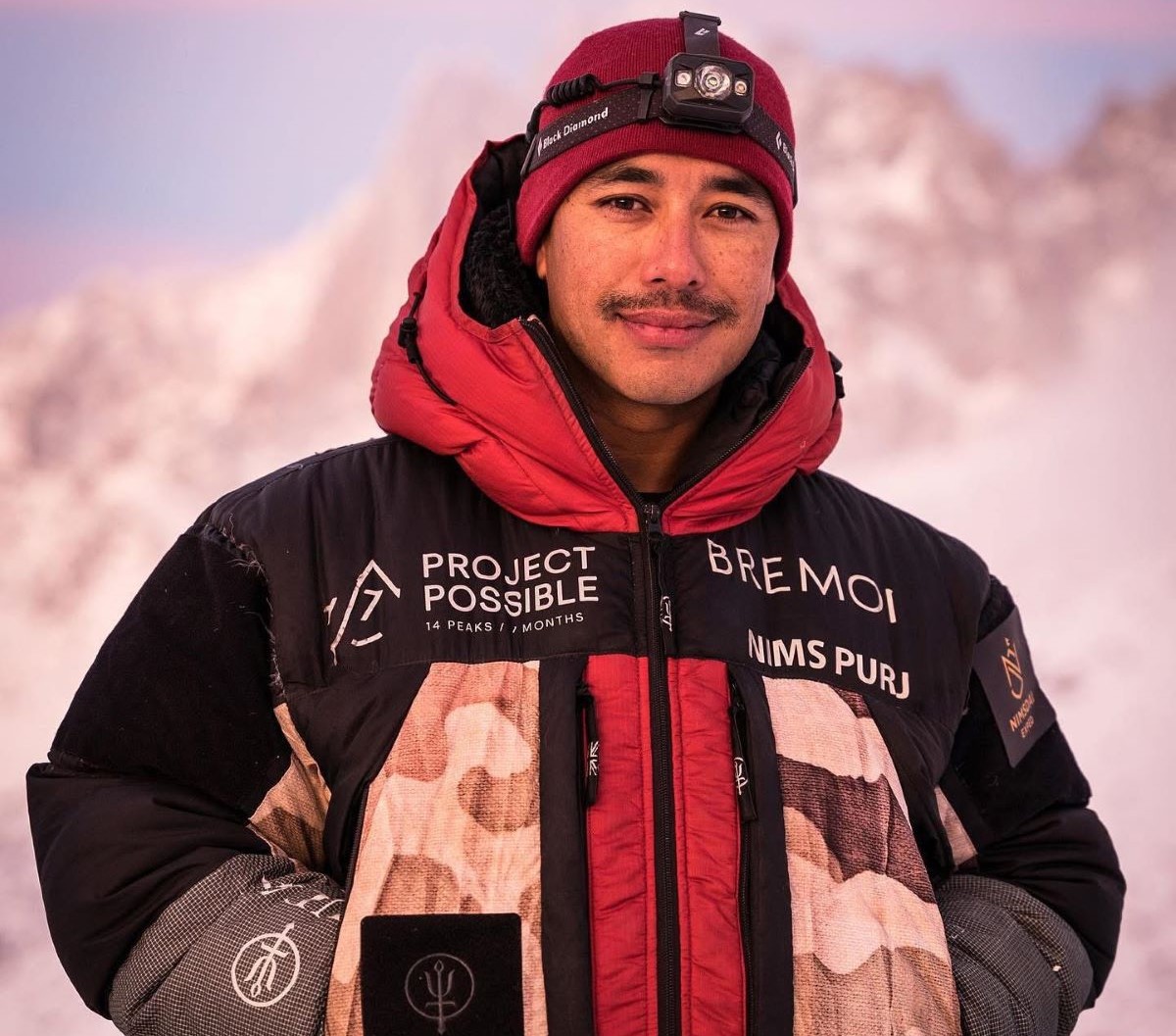
Ten climbers lost their lives in the Broad Peak avalanche
For most people outside the climbing world, Broad Peak became international news after the avalanche that claimed the lives of Nims Purja and nine other climbers on July 30, 2026.
Within mountaineering circles, however, the mountain has always carried a very different reputation. Standing at 8,051 meters in Pakistan's Karakoram Range, Broad Peak has never been considered an easy alternative to nearby K2.
Its long summit ridge, unpredictable snow conditions, steep upper slopes, and frequent avalanche danger have challenged climbers for decades.
The 2026 season had attracted experienced mountaineers from several countries, many of whom had spent weeks acclimatizing and waiting for a suitable weather window.
Like every expedition on an 8,000-meter peak, summit plans depended on changing forecasts, snow stability, and conditions on the route. Among those climbing that season was Nirmal Purja, leading an expedition through Elite Exped.
On 30 July 2026, an avalanche struck the route between Camp 2 and Camp 3, burying a group of climbers high on the mountain. Rescue teams were mobilized almost immediately, but operations at that altitude are rarely straightforward. Poor weather, unstable snow, difficult terrain, and the continued risk of further avalanches repeatedly slowed search efforts. As recovery operations continued over the following days, officials confirmed that ten climbers had lost their lives, making it one of the deadliest accidents on Broad Peak in recent years.
The tragedy drew worldwide attention because of Nirmal Purja's (NIMSDAI) prominence, but it also raised broader questions about climbing on the world's highest mountains.
Why is Broad Peak considered so dangerous? What exactly happened on the mountain that day? How did the rescue operation unfold, and what have investigators and mountaineering officials confirmed since then?
This article brings together the verified timeline, rescue efforts, official updates, and the wider context behind one of the most significant mountaineering disasters of 2026.
Broad Peak rises to 8,051 meters (26,414 feet) in Pakistan's Gilgit-Baltistan region, close to the country's border with China. It stands within the Karakoram Range, one of the world's most rugged mountain systems, where four of the planet's 14 eight-thousanders are found within a relatively small area.
The mountain sits on the western edge of the Baltoro Glacier, about 8 kilometres southeast of K2. Because of their proximity, both peaks share the same approach. Climbers begin the expedition in the village of Askole before trekking for nearly a week across the Baltoro Glacier to reach Broad Peak Base Camp at approximately 4,850 meters.
Despite being the 12th-highest mountain in the world, Broad Peak has often lived in the shadow of K2. Many climbers attempting K2 establish camps nearby, and from certain viewpoints, Broad Peak appears less steep and less intimidating than its famous neighbour. That impression can be misleading.
The mountain is named after its unusually wide summit ridge, a feature first noted by British explorer Sir Martin Conway during his expedition to the Karakoram in 1892. Rather than ending in a single pointed summit, Broad Peak stretches across a broad crest that gives the mountain its distinctive appearance. Locally, it is known as Falchan Kangri, a Balti name used long before the English name became common.
Although Broad Peak is sometimes described as one of the more straightforward 8,000-meter peaks, experienced mountaineers rarely make that comparison; every summit attempt still requires climbers to spend long hours in the death zone, where oxygen levels are too low for the human body to acclimatize fully. Add rapidly changing weather, deep snow, hidden crevasses, and avalanche-prone slopes, and it becomes clear why the mountain demands the same respect as any other Himalayan giant.
Those conditions formed the backdrop to the Broad Peak avalanche of July 2026, one of the deadliest mountaineering disasters in the Karakoram in recent years.
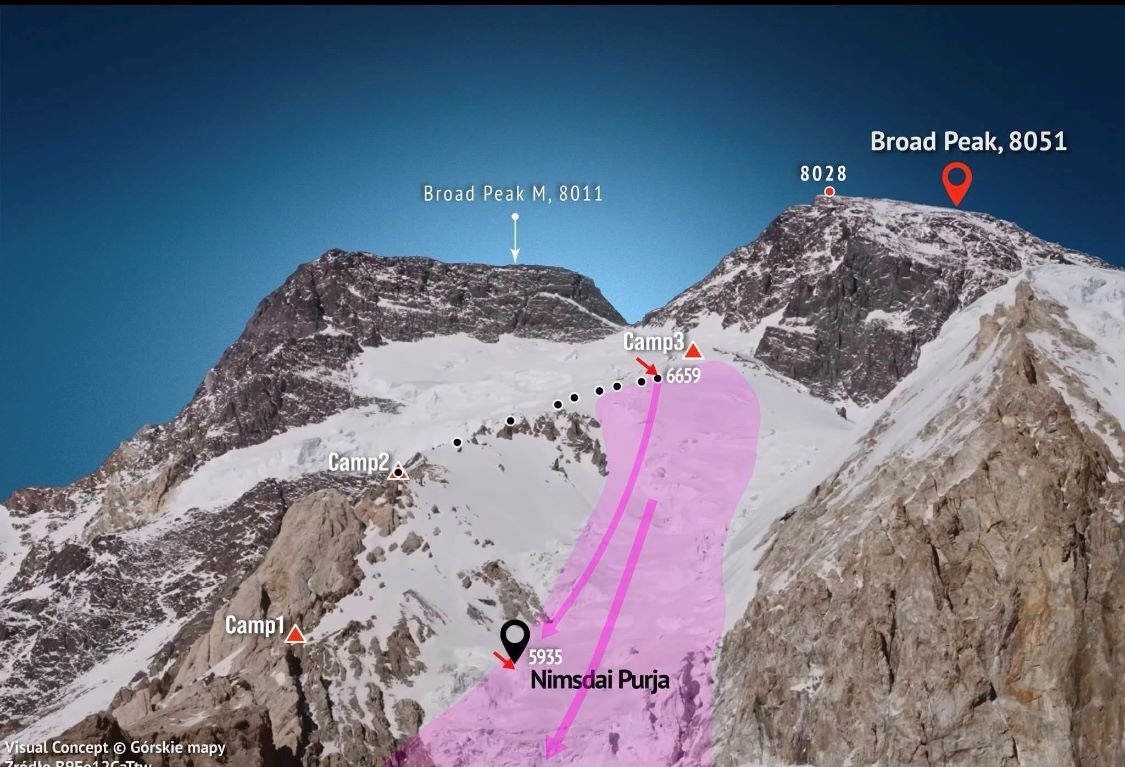
Exact Location of Broad peak 8051m
Why Is Broad Peak Considered So Dangerous?
Broad Peak is often described as one of the more "accessible" 8,000-meter mountains, but that description can easily be misunderstood. While the normal route is less technical than mountains like K2 or Annapurna, it still poses significant objective hazards that even the most experienced climbers cannot control.
One of the biggest dangers is avalanche risk. Fresh snowfall, strong winds, and rapidly changing temperatures can destabilize the mountain's upper slopes within hours. Snow that appears stable during one part of the day can become highly unstable after additional snowfall or wind loading, increasing the likelihood of avalanches along the climbing route.
The mountain also has heavily crevassed glaciers, steep snow slopes, and exposed ridges where one mistake can be fatal. Climbers must navigate these sections while carrying heavy equipment and conserving energy for the long summit day, which can last 12 to 18 hours from the highest camp to the base camp.
Altitude adds another layer of risk. Climbers above 8,000 meters enter the death zone, where the air contains only about one-third of the oxygen found at sea level.
Decision-making becomes slower, fatigue builds quickly, and even simple tasks require significant physical effort. When an emergency occurs at these elevations, self-rescue is frequently the only immediate option because helicopters cannot safely operate at such heights under normal conditions.
Weather in the Karakoram is equally unpredictable. High winds, poor visibility, and sudden storms can force teams to abandon summit attempts or leave climbers stranded between camps. Even during the main climbing season in July and August, safe weather windows are often brief, encouraging multiple expeditions to move at the same time when conditions appear favorable.
What Happened on Broad Peak?
By the final week of July 2026, Broad Peak had entered one of the busiest periods of its climbing season. After spending weeks acclimatizing and waiting for stable weather, several expedition teams were preparing to move higher on the mountain. Among them was an expedition organized by Elite Exped and led by renowned
Nepalese mountaineer Nirmal Purja " NIMSDAI ", accompanied by experienced guides and international climbers attempting the 8,051-meter summit.
During the morning of 30 July 2026, conditions changed dramatically. At the same time, climbers were travelling between Camp 2 and Camp 3, a large avalanche swept across the normal climbing route at an altitude of approximately 6,600–6,700 meters. The avalanche struck one of the mountain's most exposed sections, carrying snow and debris directly across the path used by summit teams. With little warning and almost no opportunity to escape, several climbers were buried beneath the avalanche.
The first reports from the mountain were uncertain. Base camp received fragmented radio messages indicating that multiple climbers had gone missing, but poor visibility and the difficult terrain made it impossible to determine the full scale of the accident immediately. As communication improved and expedition leaders compared information, it became clear that an international group of climbers had been caught in the avalanche.
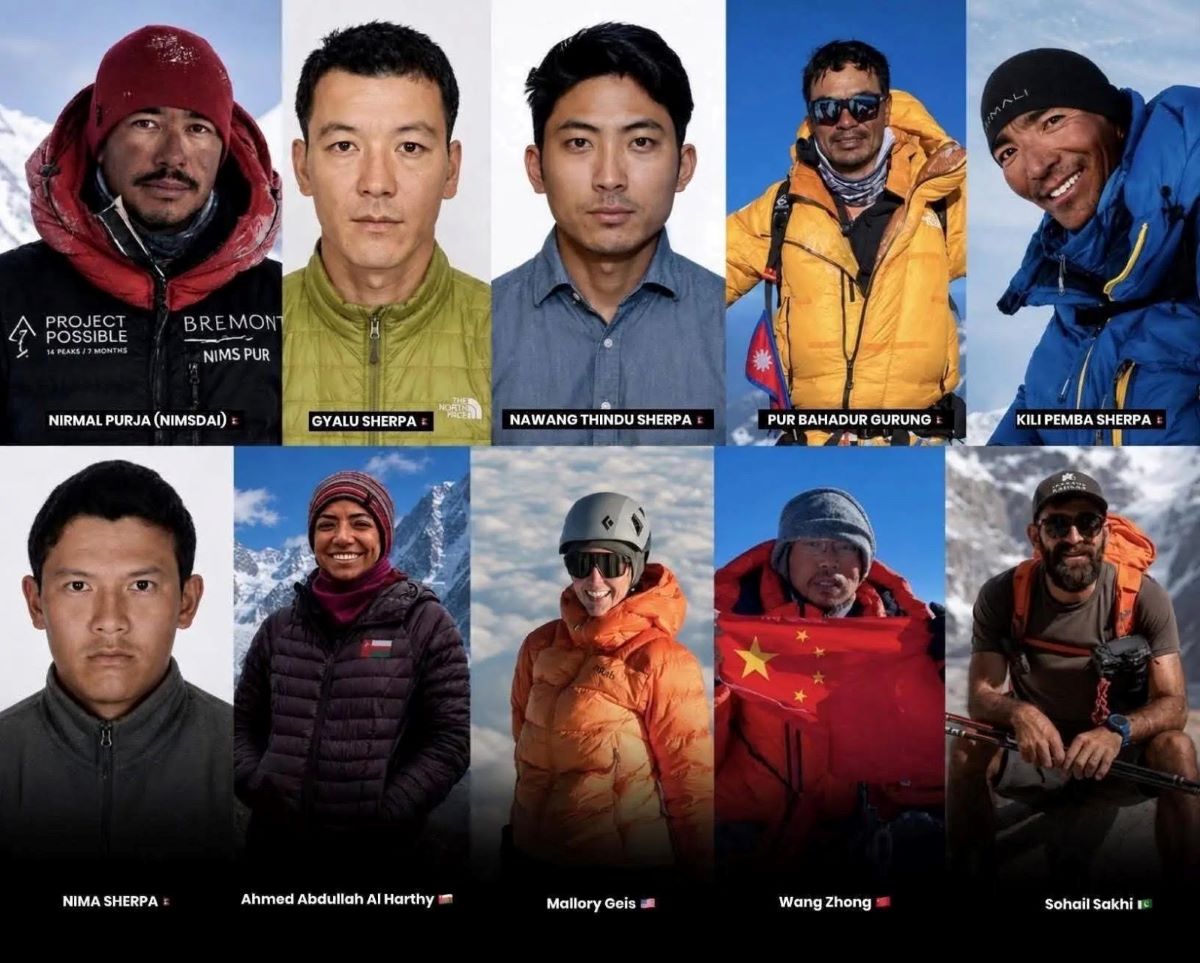
Those confirmed to have lost their lives included Nims, American climber Mallory Geis, Omani climber Nathira Ahmed Al Harthy, Chinese climber Wang Zhong, Pakistani mountaineer Sohail Sakhi, and Nepalese climbers Pur Bahadur Gurung, Nima Sherpa, and Kili Pemba Sherpa. Authorities later confirmed that the avalanche claimed ten lives in total, making it one of the deadliest accidents on Broad Peak in recent years. Some victims were identified only after recovery operations progressed over several days.
The accident shocked the international mountaineering community not only because of the number of lives lost, but also because it involved some of the most experienced people on the mountain.
Purja had established a reputation for completing seemingly impossible tasks, and several expedition members had spent years working on high-altitude peaks in Nepal and Pakistan.
Their experience highlighted an enduring reality of climbing above 8,000 meters: while preparation and skill can reduce risk, they cannot eliminate nature's unpredictable forces.
Nimsdai and his nine fellow climbers tragically lost their lives in the Broad Peak avalanche in Pakistan
Search and Recovery Efforts
The avalanche triggered an immediate emergency response from expedition teams at Broad Peak Base Camp. As reports of missing climbers came in, the Alpine Club of Pakistan, Pakistan Army Aviation, local high-altitude rescuers, and expedition operators coordinated a large-scale search on the mountain.
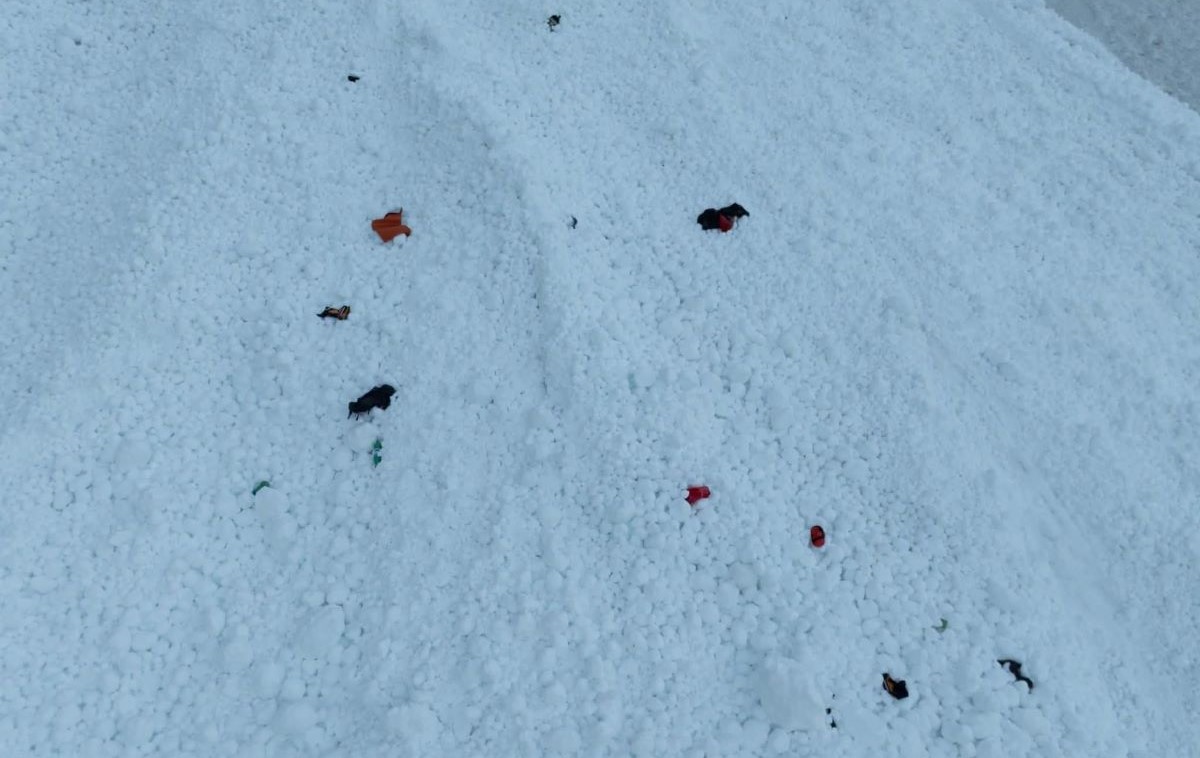
Rescue efforts quickly ran into major challenges. The avalanche had struck between Camp 2 and Camp 3 at an altitude of around 6,600–6,700 meters, where unstable snow, poor visibility, steep terrain, and the continued risk of secondary avalanches made access extremely dangerous. Helicopter flights were possible only during short weather windows, while drones were used to survey the avalanche path and help locate victims in areas that rescuers could not safely reach.
Recovery operations continued for several days as conditions gradually improved. Rescue teams recovered victims whenever it was safe to do so, while some bodies remained inaccessible until weather and snow stability allowed rescuers to move higher on the mountain. Authorities eventually confirmed that all ten climbers caught in the avalanche had died, bringing the operation to a tragic conclusion.
The Broad Peak rescue highlighted one of the biggest realities of high-altitude mountaineering: even with experienced rescuers, helicopters, drones, and modern equipment, recovery operations above 6,500 meters are often limited by terrain and weather rather than technology. That is one reason why accidents on the world's highest mountains remain so difficult to respond to.
Bodies Spotted Above the Broad Peak Avalanche Site
Global Reaction After the Broad Peak Avalanche
The confirmation of the Broad Peak avalanche deaths drew international attention, particularly because the incident involved Nirmal Purja, one of the most recognized figures in modern mountaineering. News of his death was widely reported across Nepal, Pakistan, the United Kingdom, and the global climbing community.
In Nepal, Purja's death was met with widespread mourning. Many officials, climbers, and members of the public remembered his contribution to Himalayan mountaineering, especially his role in bringing greater international recognition to Nepali climbers through achievements such as Project Possible and the first winter ascent of K2 by an all-Nepali team.
Tributes also came from the United Kingdom, where Purja had served with the Brigade of Gurkhas and the Special Boat Service (SBS) before becoming a full-time mountaineer. Former military colleagues highlighted his service career, discipline, and achievements both within and beyond the armed forces.
Because so many seasoned climbers perished in one incident, the accident also attracted attention from the larger mountaineering community. Broad Peak avalanche became another reminder of the risks involved in climbing Pakistan's 8,000-meter peaks, where avalanches, extreme altitude, and rapidly changing mountain conditions remain major challenges even for highly experienced teams.
The deaths of the ten climbers marked one of the most serious mountaineering accidents on Broad Peak in recent years and led to renewed discussions about safety, rescue limitations, and risk management during high-altitude expeditions.
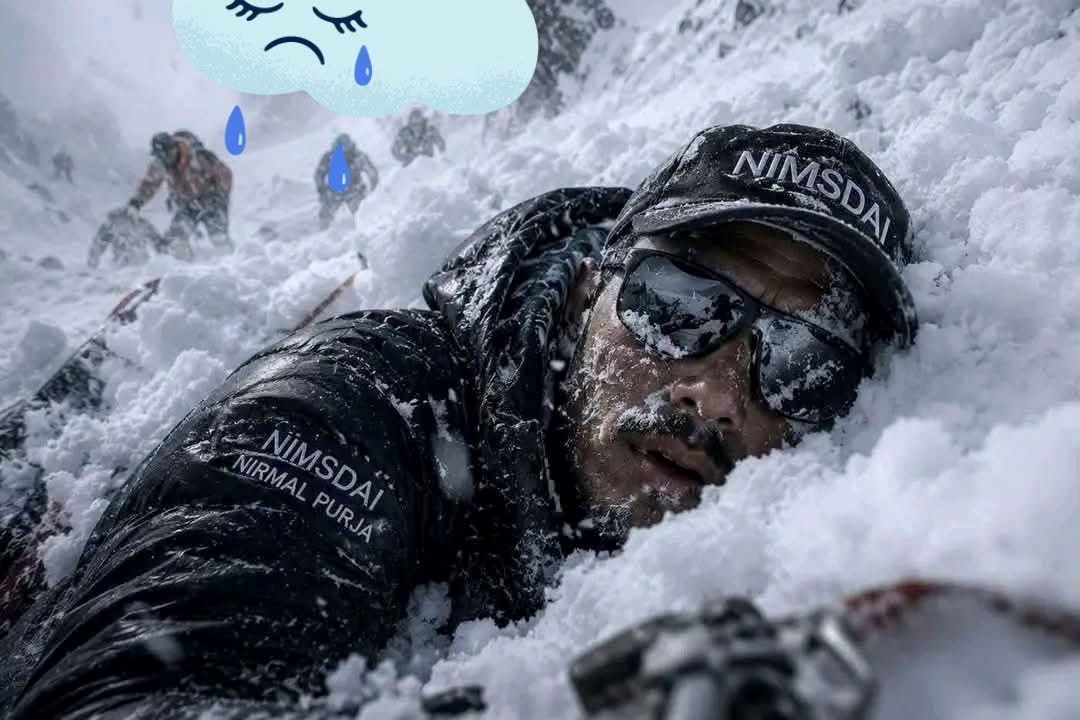
A mountain legend whose legacy will inspire generations.
Frequently Asked Questions
1: What happened in the Broad Peak avalanche? The Broad Peak avalanche occurred on 30 July 2026 during the climbing season in Pakistan's Karakoram Range. An avalanche struck the route between Camp 2 and Camp 3 at around 6,600 to 6,700 meters, where several climbers were moving toward higher camps. The avalanche buried multiple climbers, and authorities later confirmed that ten climbers lost their lives, including Nepalese mountaineer Nims Purja.
2: How many climbers died in the Broad Peak avalanche? A total of ten climbers died in the Broad Peak avalanche. The victims included experienced mountaineers from different countries who were part of international expeditions attempting the 8,051-meter peak.
3: Was Nirmal Purja killed in the Broad Peak avalanche? Yes. Purja was among the climbers who died in the Broad Peak avalanche on 30 July 2026. The accident occurred during an expedition led through his company, Elite Exped, on Broad Peak in Pakistan.
4: Where did the Broad Peak avalanche happen? The avalanche occurred on Broad Peak, an 8,051-meter mountain located in Pakistan's Gilgit-Baltistan region of the Karakoram Range. The accident happened between Camp 2 and Camp 3, a high-altitude section of the normal climbing route.
5: Why is Broad Peak dangerous? Although Broad Peak is sometimes considered less technically difficult than mountains like K2, it remains a serious 8,000-meter climb. The mountain has steep snow slopes, avalanche-prone areas, unpredictable weather, extreme altitude, and difficult rescue conditions. Climbers above 8,000 meters also face the effects of the "death zone," where oxygen levels are significantly lower.
6: How were climbers rescued after the Broad Peak avalanche? Search and recovery efforts involved the Alpine Club of Pakistan, Pakistan Army Aviation, local high-altitude rescuers, and expedition teams. Helicopters and drones were used when weather conditions allowed, but unstable snow, high altitude, and continued avalanche risks made recovery operations extremely challenging.
7: Who was Nirmal "Nims" Purja? Nirmal Purja was a Nepalese mountaineer and former British Army Gurkha and Special Boat Service (SBS) member. He became internationally famous after completing all 14 of the world's 8,000-meter peaks in six months and six days in 2019. He later helped achieve the first winter ascent of K2 by an all-Nepali team.
8: How high is Broad Peak? Broad Peak has an elevation of 8,051 meters (26,414 feet), making it the 12th-highest mountain in the world. It is one of the 14 mountains on Earth that rise above 8,000 meters.
9: Is Broad Peak harder than K2? Broad Peak and K2 present different challenges. K2 is generally considered more technically demanding, but Broad Peak remains a dangerous 8,000-meter mountain due to its altitude, avalanche exposure, long summit ridge, and rapidly changing weather conditions. Both require extensive experience and careful preparation.
10: What caused the Broad Peak avalanche? The exact cause of the avalanche was linked to unstable snow conditions on the mountain. In high-altitude regions like the Karakoram, avalanches can be influenced by factors including recent snowfall, wind loading, temperature changes, and the condition of the snowpack. Detailed causes are often difficult to determine after such events because mountain conditions change quickly.
Born and raised in the Mountainous village of Gorkha Nepal. Mr. Pandey is a successful tour leader and a very active social worker contributing a lot to the welfare of society. Mr, Pandey belongs to a very humble background and has started his career as a junior staff in a much-reputed company in Nepal. Mr. Pandey's family background is engaged in the tourism sector for an extended period. After spending many years in research and the drawbacks of tourism development.
Due to his great passion and enthusiasm for the trekking and tourism sector, he started his tour career with many expert teams. He intends to bring revolution to the tourism sector by offering luxurious services and accommodations to travelers at a minimum price. With the Motto of Travellers, satisfaction is my passion. He has been helping many travelers with traveling.

 based on 228 reviews