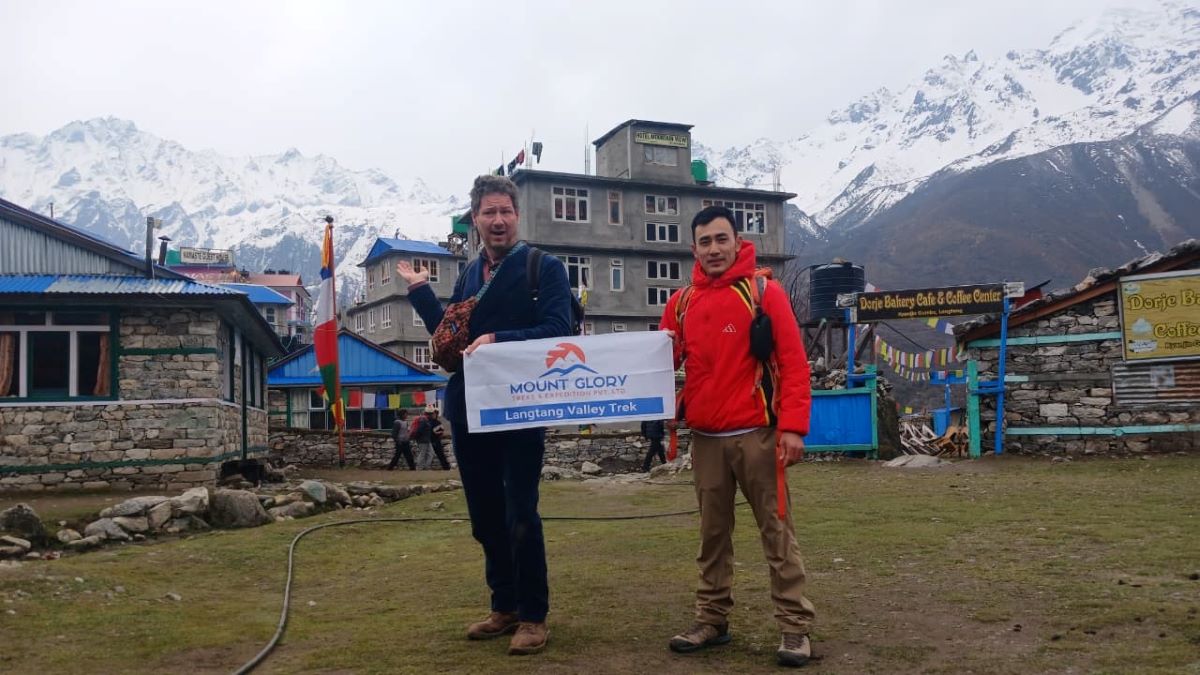
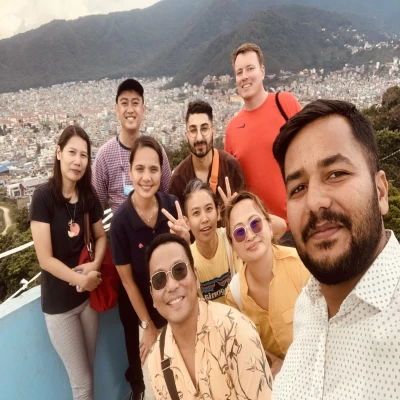
Mount Glory Treks Team during Langtang valley Trek
The Langtang Valley Trek is regarded as one of Nepal's most picturesque, lovely, and reasonably priced high mountain treks. Langtang Valley is more accessible than other well-known treks like the Everest and Annapurna regions.
Furthermore, a short itinerary of 7-10 days significantly reduces the cost of accommodation, food, and a guide during the Langtang trek.
The direct road access from the capital city of Kathmandu to Syabrubesi eliminates the need for expensive domestic flights, which is the best part of this trek.
Additionally, you will have access to a well-established network of teahouses that maintain affordable lodging and meals throughout the Langtang region during this scenic trek.
Because there is no need for rest days, the Langtang region trek stays below the extremely high altitudes, greatly reducing the need for costly acclimatisation extensions.
Although the Langtang Valley Trek Cost is claimed to be affordable and reasonable, actual costs vary depending on a number of factors such as group size, itinerary, type of service, company, and many others.
Similar to other treks in the Himalayas, peak seasons are marginally more expensive than off-season months, so seasonal timing has a significant impact on total cost.
In order to make an appropriate decision that fits their travel needs and budget, hikers can compare the Langtang Trek with local, international, or independent companies by knowing the full breakdown of the trek's cost.
Having a clear idea of costs before starting the trek also helps avoid last-minute stress in the mountains, where prices are higher due to remoteness and limited supplies.
This detailed cost breakdown of the Langtang Valley Hike by Mount Glory Treks allows you to plan your trek without worrying about money. Everything you need to organise your trip to the Langtang region is covered in this article.
Trekking packages in the Langtang Region are available from Mount Glory Treks, including the standard 8 Days Langtang Valley Trek. These packages include customisable itineraries, clear cost breakdowns, and professional guidance. There are several Trek packages to select from, depending on your tastes and financial constraints.
Budget-Friendly Trek: A budget-friendly Langtang Valley Trek typically costs between USD 650 and USD 800 per person. This level typically includes shared road transportation, permits, basic teahouse accommodations, meals on the trail, and minimal logistical support. To cut down on guide/porter costs, trekkers at this level may organise some sections on their own or join a group.
Standard Trek: The typical cost of a guided Langtang Valley Trek is between USD 850 and USD 1,050 per person. All necessary permits, scheduled transportation from Kathmandu to Syabrubesi, a certified trekking guide, teahouse accommodations, daily meals on the trail, and porter assistance if necessary are all included in this price. For the majority of hikers, standard packages offer a good mix of comfort, support, and cost. This is where our 8-day standard Langtang Valley trek falls, with a price per person of USD 750, but it can be as low as USD 570 if there are 10 or more people in the group.
Luxury Trek: A luxurious or comfortable Langtang Valley Trek may set you back more than USD1,500 per person. Trekkers at this level can anticipate extra amenities like upgraded teahouses when available, private transportation (jeep) between cities and trailheads, daily hot meals, individualised guide services, more inclusions (like daily bottled water or upgraded meals), and stronger luggage support from porters. For travellers who value simplicity, convenience, and the least amount of personal logistical stress, this choice is perfect.
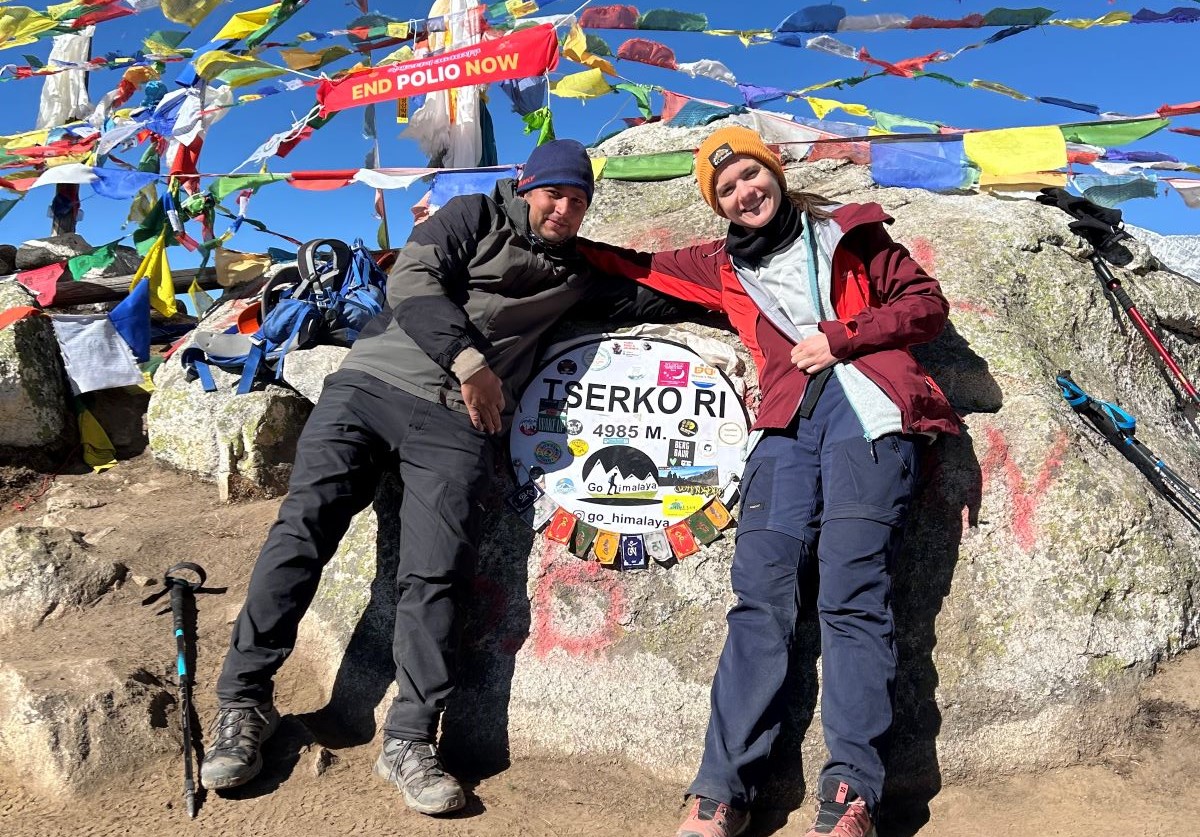
Our Experienced Guide Amy and Guest at Kyanjin Ri 4985m during 8 Days Langtang Valley Trek
Detailed Breakdown of the Langtang Valley Trek Cost
Permit Cost
Two permits are needed for the Langtang Trek: the TIMS (Trekkers’ Information Management System) card and the Langtang National Park Entry Permit.
All hikers entering the Langtang Valley Region must obtain a Langtang Entry Permit, which costs about USD 23 per person. In contrast, the TIMS card, which is necessary for trekker record management and safety monitoring, costs about USD 15 per person.
Permits must be obtained in Kathmandu prior to the start of the trek in order to support local communities, trail maintenance, and conservation.
Transportation Cost
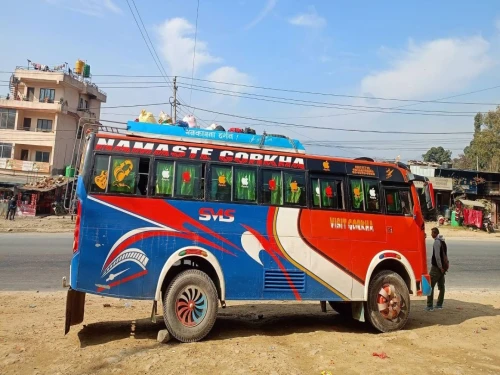
Depending on the season and availability, a round-trip ticket from Kathmandu to Syabrubesi costs approximately USD 25–30. Additionally, this is the more affordable option that offers basic comfort and a longer travel time.
Similarly, shared jeep transfers, which are more comfortable and quicker than local buses and frequently utilised by hikers, cost about USD 40–55 per round trip.
Depending on the size of the group and the time of year, private jeep rentals now cost between USD 150 and USD 190 for a round trip. For travellers looking for comfort, flexibility, and a shorter trip, this is the best choice.
Accommodation Cost
Basic rooms with twin beds, blankets, and shared bathrooms are available at tea houses in lower villages like Lama Hotel, which usually cost USD 4-6 per night during this trek.
Additionally, rooms at higher altitude stops like Langtang Village and Kyanjin Gompa cost between $5 and $8 per night. It makes sense that the altitude, distance, and supply issues would cause a small increase in costs.
In this area, twin-sharing accommodations are typically straightforward, hygienic, and made for hikers; additional blankets are typically offered upon request.
Meals Cost
Depending on your meal choice and altitude, the average daily cost of food during the Langtang region hike can range from USD 18 to USD 28. Due to supply and transportation constraints, mean prices progressively rise as you ascend, particularly beyond Langtang Village and Kyanjin Gompa. The most affordable and satisfying option is Dal Bhat, which is frequently served with free refills and consists of rice, lentils, and vegetables.
Eggs, porridge, pancakes, and tea are among the breakfast items that are slightly more expensive at higher stops and less expensive in lower villages. Additionally, if consumed frequently, snacks, hot beverages, and bottled water raise daily food costs.
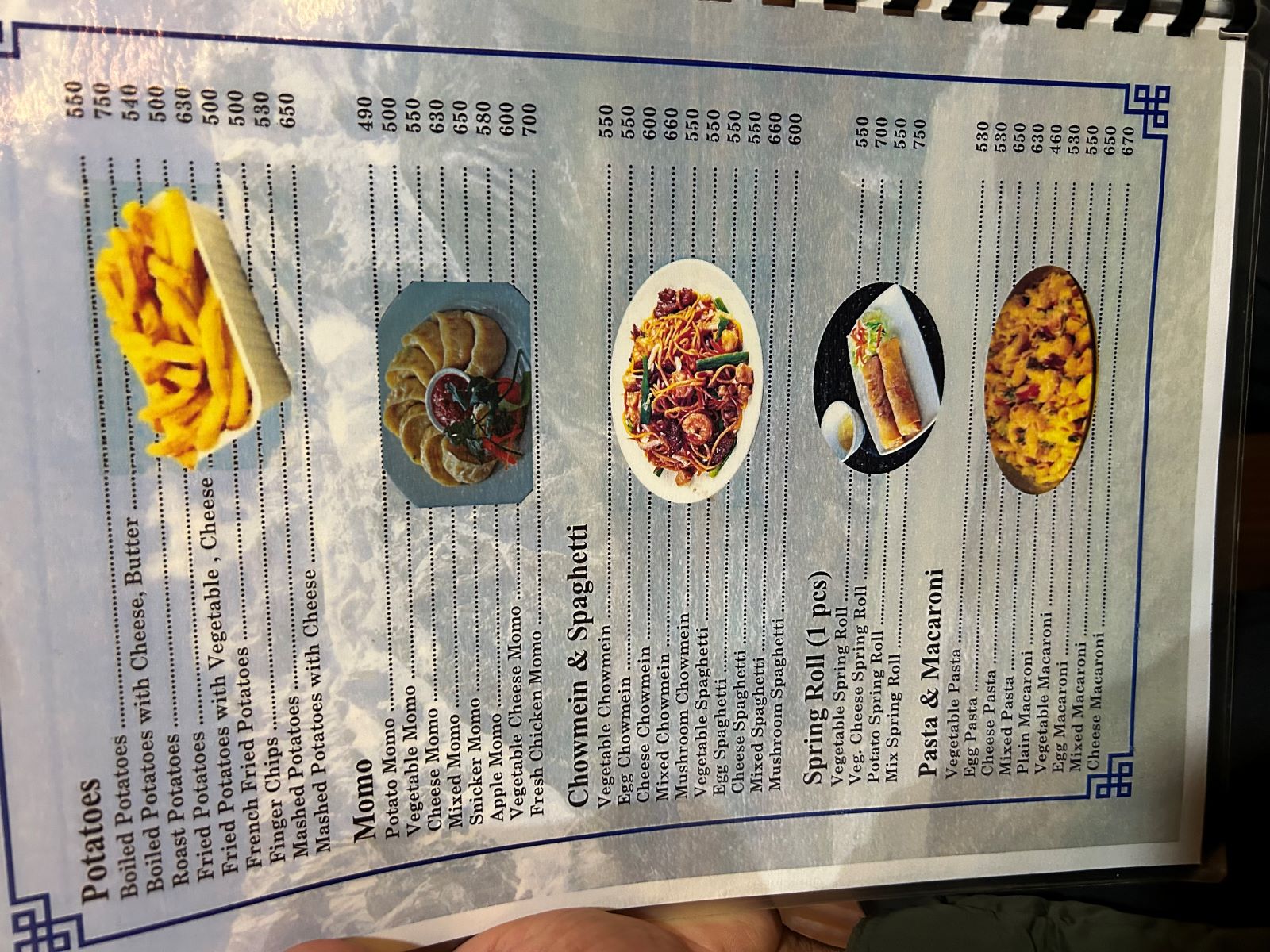
Food menu at Langtang Region
Guide Cost
Depending on experience and season, a licenced trekking guide typically charges between $30 and $40 per day, which includes the guide's salary, lodging, food, insurance, and permits. In addition, the guides will help you with safety, language support, local culture, altitude awareness, and route navigation.
Guides are especially useful during inclement weather, trail confusion, or in higher sections near Kyanjin Gompa.
Porter Cost
Porter wages typically vary from $20 to $25 per day, depending on demand and the season. A porter usually carries 20–25 kg, which makes it easier for hikers to walk comfortably while carrying a light daypack.
Two hikers typically share a porter, which further lowers individual costs while adhering to safe load limits. Similar to guides, the cost of a porter typically includes pay, lodging, food, and other expenses.
Nepal Visa Cost
A tourist visa, which can be obtained online or at Tribhuvan International Airport in Kathmandu, is necessary for foreign visitors to Nepal.
The length of stay determines the cost of a visa: USD 30 for 15 days, USD 50 for 30 days, and USD 125 for 90 days.
A passport that is valid for at least six months from the date of entry, a completed application form, and a recent passport-size photo are all required. While many hikers prefer to apply when they get there for convenience, applying online in advance can save time and avoid lines.
Travel Insurance Cost
Due to the remote location and shifting mountain conditions, travel insurance is required for both the Langtang Valley Trek and the Himalayan Trek. Additionally, the average cost of insurance varies from USD 80 to USD 150, depending on the provider and length of coverage.
Remember that emergency helicopter evacuation and high-altitude trekking at least 4,000 metres must be covered by the policy. Comprehensive coverage protects against medical emergencies, travel delays, and unexpected evacuation costs.
Extra Expenses Cost
Hot showers: Usually available at higher-altitude teahouses like Langtang Village and Kyanjin Gompa, they cost USD 2–5 per use.
Charging electronic devices: Each device costs between $2 and $4, depending on the availability of electricity.
Bottled water and snacks: During the hike, budget between $10 and $25 for water, energy bars, chocolates, or regional snacks.
Occasional beverages or snacks: In higher villages, coffee, tea, or pastries can somewhat raise daily costs.
Tips and gratuities: Depending on the level of service, these are advised for porters and guides and typically range from $5 to $10 per day.
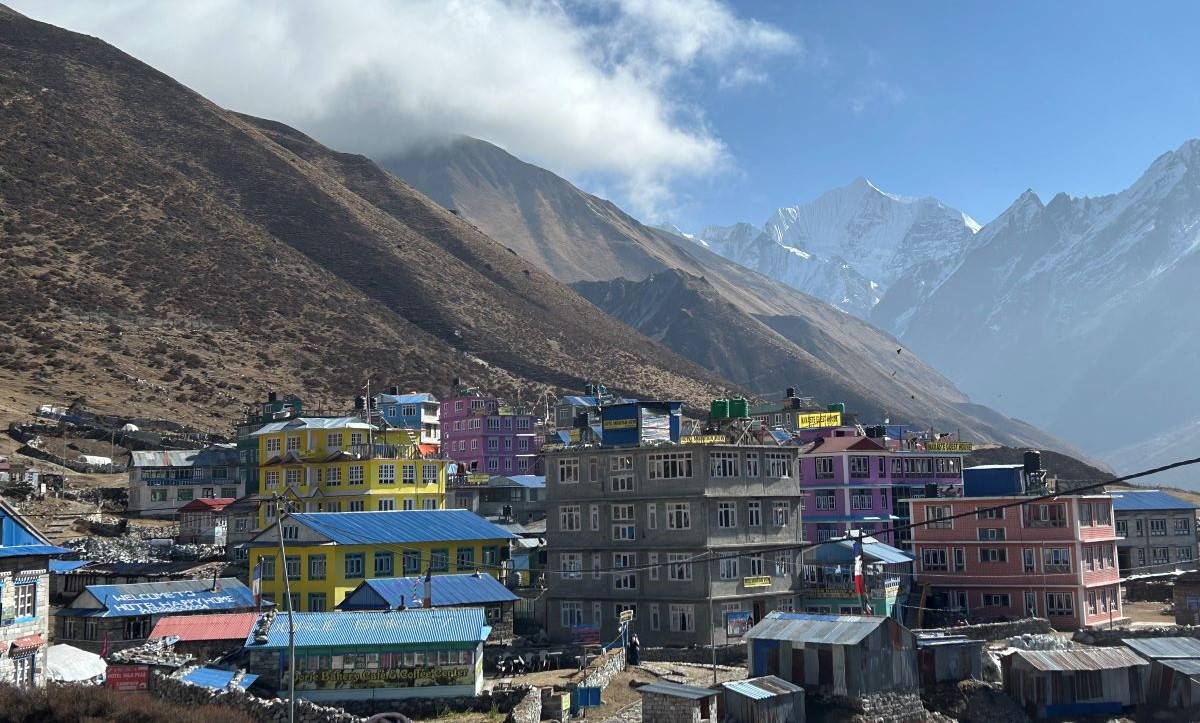
Langtang Village on the way to Langtang Trek
In Conclusion
Knowing the entire cost of the Langtang Valley Trekking enables hikers to make wise plans and steer clear of unforeseen costs. Budgeting is easier, and the trek is more pleasurable when you know how much lodging, meals, guides, porters, permits, transportation, insurance, and additional trekking necessities will cost.
The Langtang Valley Trek can be tailored to your interests and schedule. For a more immersive Himalayan experience, options include longer adventures that include Langtang Gosaikunda Lake, shorter treks lasting four to six days, or combining neighbouring trails or also witnessing the 6000m below peak climbing; then Yala peak climbing is the best choice.
You can take advantage of fully customised Langtang Valley packages with Mount Glory Treks, which guarantee a flawless trekking experience by offering qualified guides, secure and cosy lodging, and well-managed logistics.
We are a reliable option for the Langtang Valley Trek Packages because of our adaptable itineraries, clear pricing, and knowledgeable staff. Whether you choose the classic 7-day trek or an extended adventure, we handle the logistics so you can enjoy the breathtaking Himalayan scenery, forests, rivers, and high-altitude landscapes.
For a hassle-free, well-planned, and unforgettable Himalayan experience, reserve your Langtang Trek with Mount Glory Treks right now.
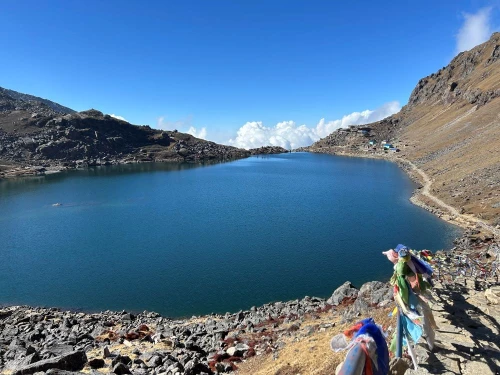
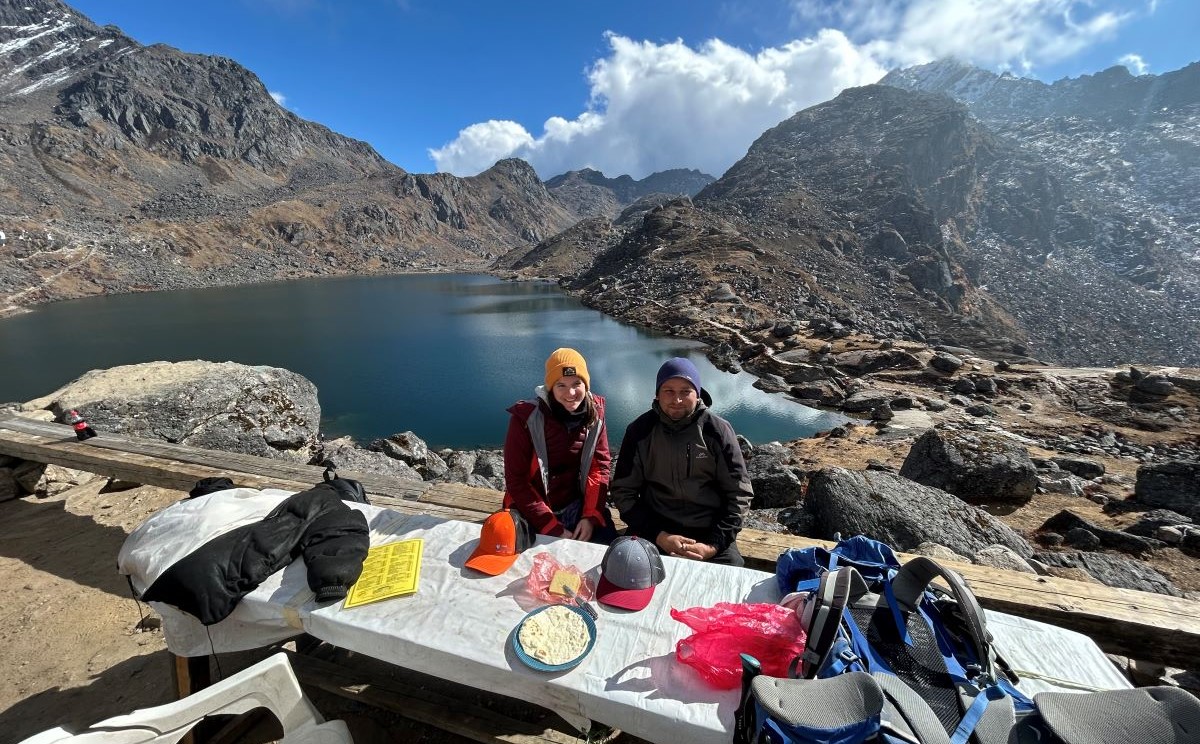
Having Lunch at Holy Gosaikunda Lake During Langtang Gosaikunda Trek in Langtang region
Frequently Asked Questions
1: What is the best time to do the Langtang Valley Trek? The Langtang Valley Trek is best done in the spring (March to May) and autumn (September to November). These months offer the best views of the Himalayas, clear skies, and blue skies. Autumn offers stable weather and vibrant scenery, while spring brings rhododendron blooms. Winter (December–February) can be extremely cold at higher elevations, and avoid the monsoon season (June–August) due to landslides and heavy rain.
2: How difficult is the Langtang Valley Trekking? The Langtang trek is considered moderate in difficulty, making it suitable for first-time trekkers with basic fitness. Daily walks with gradual ascents last four to seven hours. At Kyanjin Gompa, the altitude reaches about 3,870 metres, so some hikers may suffer from mild altitude sickness. Comfortable trekking is facilitated by rest days and good physical preparation.
3: Do I need a trekking guide for Langtang Valley? It is advised, particularly for first-time visitors, to hire a certified trekking guide. Guides offer assistance with communication, safety, local customs, and navigation. In order to make the journey stress-free, they also set up lodging and permits. Experienced guides with knowledge of the Langtang area are available from Mount Glory Treks.
4: Do I need a porter for the Langtang trek? Although optional, a porter is very helpful, particularly when transporting bulky items like sleeping bags, tents, or additional clothing. By hiring a porter, you can avoid getting tired and concentrate on the journey. Two hikers can share a porter, which normally weighs 20–25 kg.
5: What permits are required for the trek to Langtang Valley? The Langtang National Park Permit (NPR 3000) and the TIMS Card (NPR 2000) are the two primary permits required for trekkers. You can get permits from your trekking agency or in Kathmandu. These licences guarantee authorised access to the protected areas and aid in conservation initiatives.
6: How much does the Langtang Valley Trek cost? The type of trek determines the price. Standard guided treks cost between USD 850 and USD 1,050; luxury options cost between USD 1,300 and USD 1,500 (including meals, lodging, and guides); and budget trekkers can spend between USD 650 and USD 800. Additional services like hot showers, private jeeps, or porter assistance result in a slight increase in price.
7: What kind of accommodation is available on the Langtang Valley Trek in Nepal? Twin-sharing rooms with simple bedding are the most common type of lodging, found in teahouses and lodges. Higher-altitude stops like Kyanjin Gompa cost roughly USD 5–8 per night, while lower villages cost USD 4–6. Hot showers and Wi-Fi are available for a small fee, and the rooms are clean.
8: What kind of meals can I expect during the trek? Nepali food, such as momos, noodles, soups, and dal bhat (rice and lentils), is served at teahouses. Food costs range from USD 18 to USD 28 per day, with a slight increase at higher elevations. Most villages have hot beverages and snacks. While lunch and dinner are optional, most packages include breakfast.
9: Is travel insurance necessary for Langtang Valley Trip? Yes, you must have travel insurance that covers medical emergencies, evacuation, and high-altitude trekking. Depending on coverage and duration, the average cost of insurance can range from $80 to $150. Make sure your plan covers both emergency medical evacuation and trekking above 3,500 metres.
10: How do I get to the Langtang trailhead? The journey begins at Syabrubesi, which can be reached by private jeep (USD 150–190, shared for groups), shared jeep (USD 40–55), or local bus (USD 25–30 round trip). The trekking experience is enhanced by the route's scenic passage through forests, rivers, and small villages.
11: Will I face altitude sickness on this trek? Above 3,500 metres, especially close to Kyanjin Gompa, altitude sickness can occur. Headache, nausea, and exhaustion are among the symptoms. Serious illness can be avoided with adequate rest, hydration, and acclimatisation. For safety, hikers are advised to steer clear of quick ascents and to think about hiring a porter or guide.
12: Can the trek be customized? Yes, you can tailor the Langtang trek to your interests, fitness level, and time. Shorter treks (4–6 days) or longer treks, like the Gosaikunda Lake Trek, are options that fit your schedule and offer a more comprehensive Himalayan experience.
13: What equipment is essential for the trek? Warm clothes, trekking boots, a daypack, a sleeping bag, a water bottle, trekking poles, sunscreen, and a hat are examples of basic trekking equipment. Before leaving, equipment can be bought or rented in Kathmandu. For villages at higher elevations, make sure the equipment is insulated and waterproof.
14: Is the Langtang Valley Trek suitable for all ages? Adults and teenagers with a moderate level of fitness can complete the trek. Trekkers who are elderly may try shorter sections, but they should take altitude effects into account. While seasoned hikers can finish the entire 7-day circuit, families with kids can enjoy lower-altitude sections.
15: How safe is trekking in the Langtang Valley? With clearly marked trails and teahouse accommodations, the Langtang Valley is generally safe. A smooth and safe trekking experience is ensured by hiring a qualified guide, having travel insurance, and being aware of the risks associated with altitude and weather.
Born and raised in the Mountainous village of Gorkha Nepal. Mr. Pandey is a successful tour leader and a very active social worker contributing a lot to the welfare of society. Mr, Pandey belongs to a very humble background and has started his career as a junior staff in a much-reputed company in Nepal. Mr. Pandey's family background is engaged in the tourism sector for an extended period. After spending many years in research and the drawbacks of tourism development.
Due to his great passion and enthusiasm for the trekking and tourism sector, he started his tour career with many expert teams. He intends to bring revolution to the tourism sector by offering luxurious services and accommodations to travelers at a minimum price. With the Motto of Travellers, satisfaction is my passion. He has been helping many travelers with traveling.

 based on 228 reviews