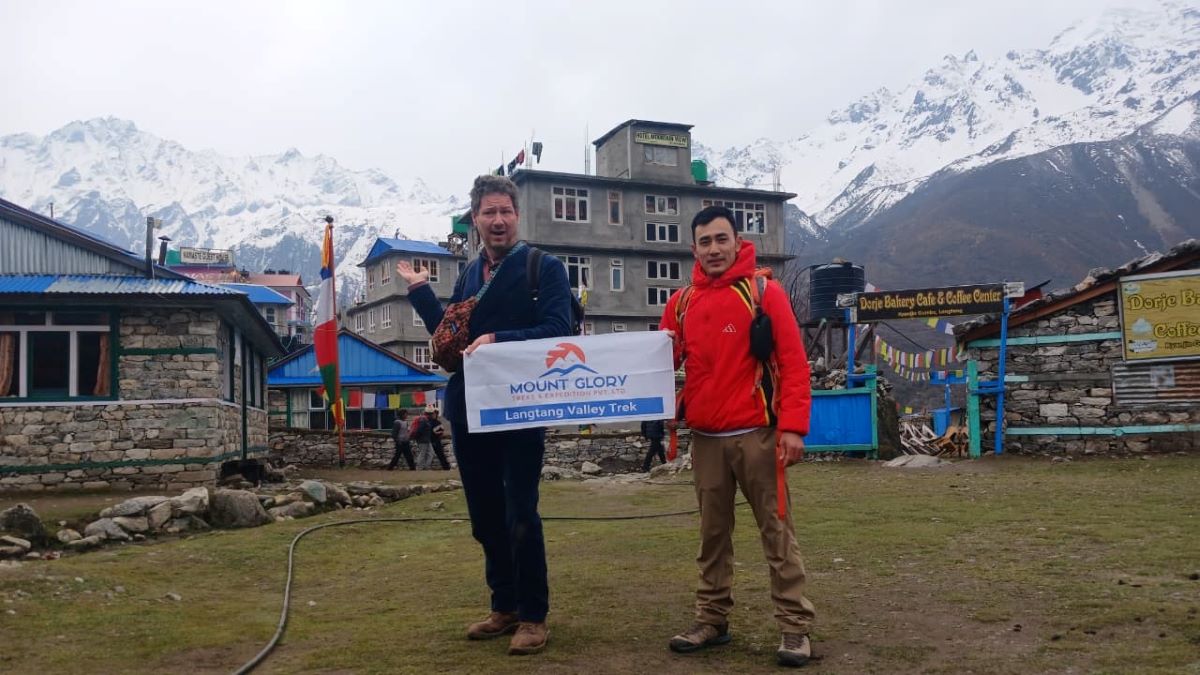
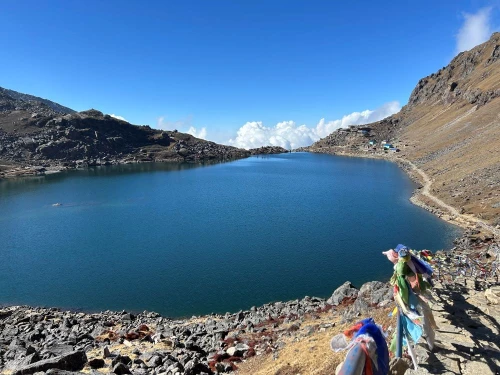
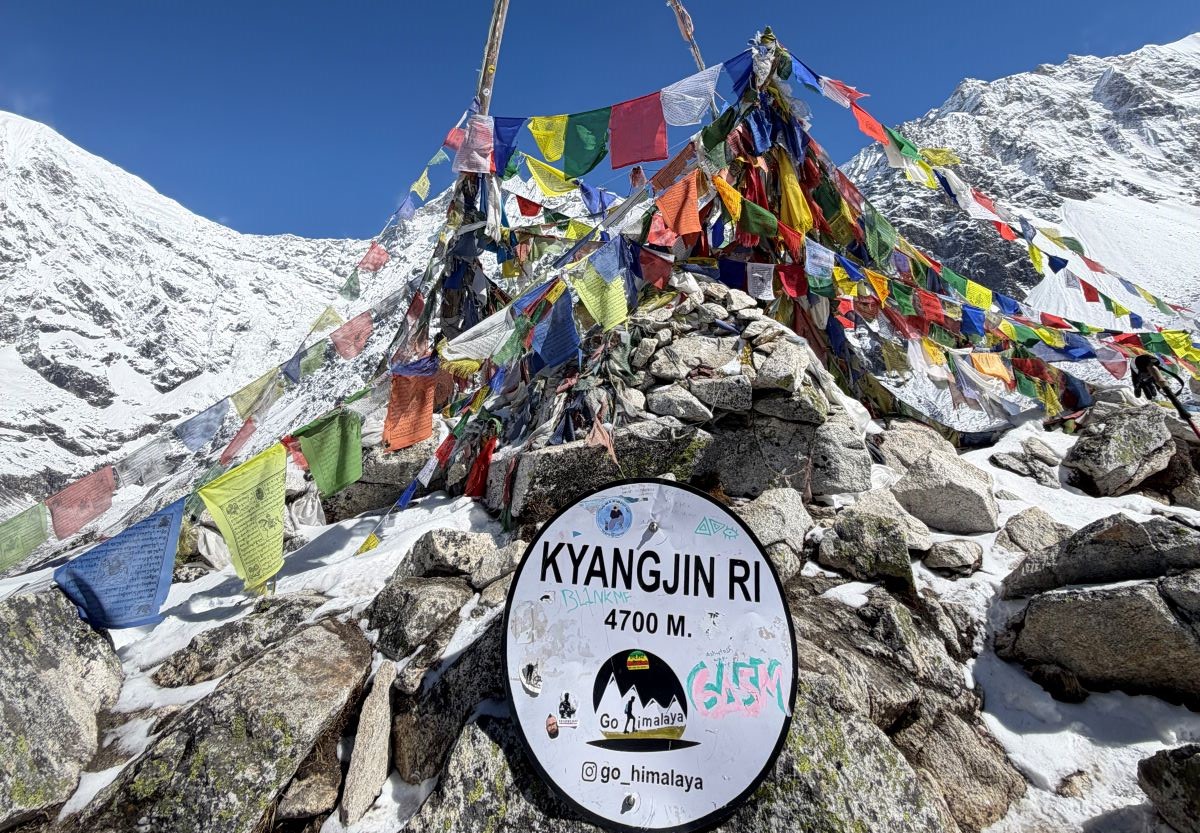
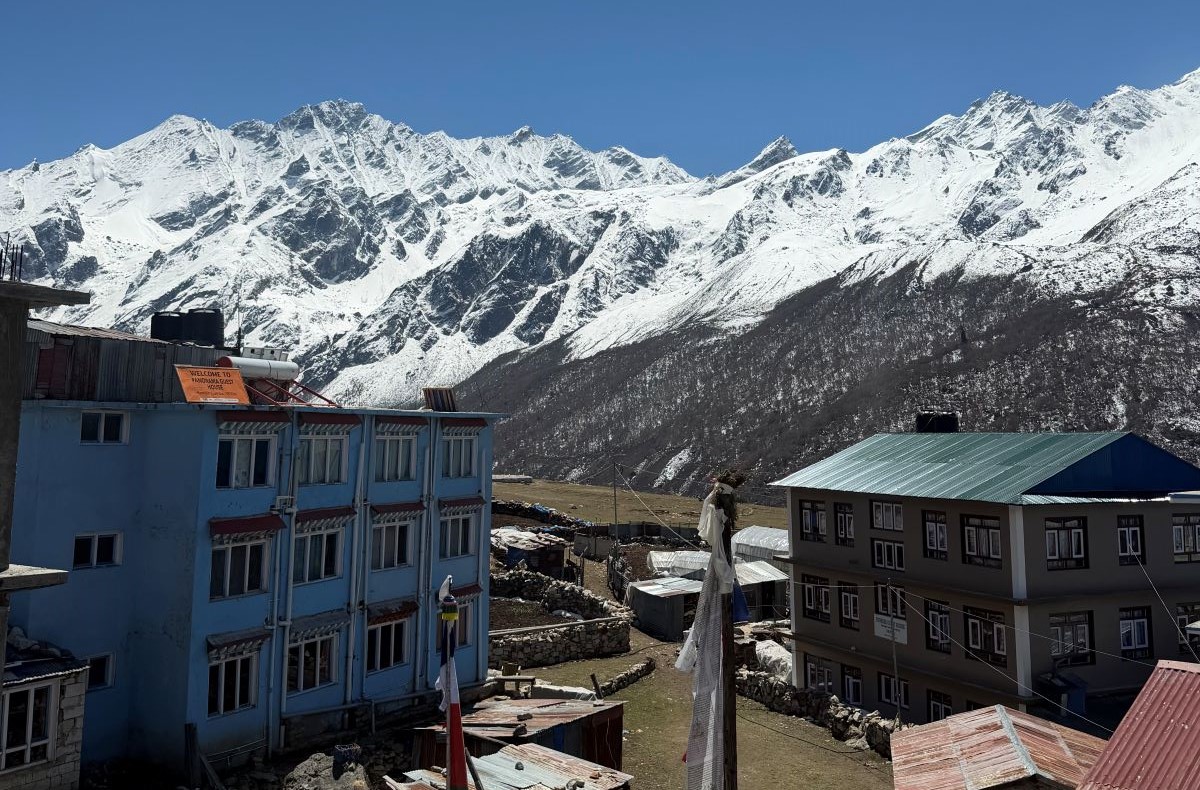
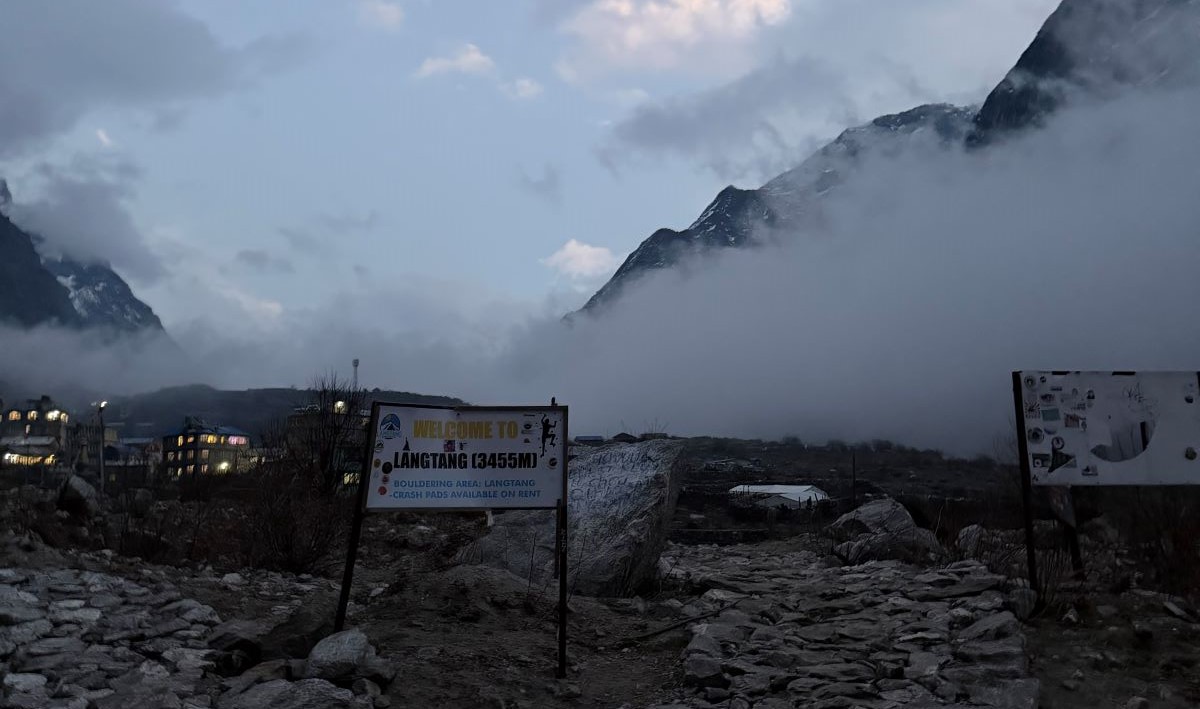
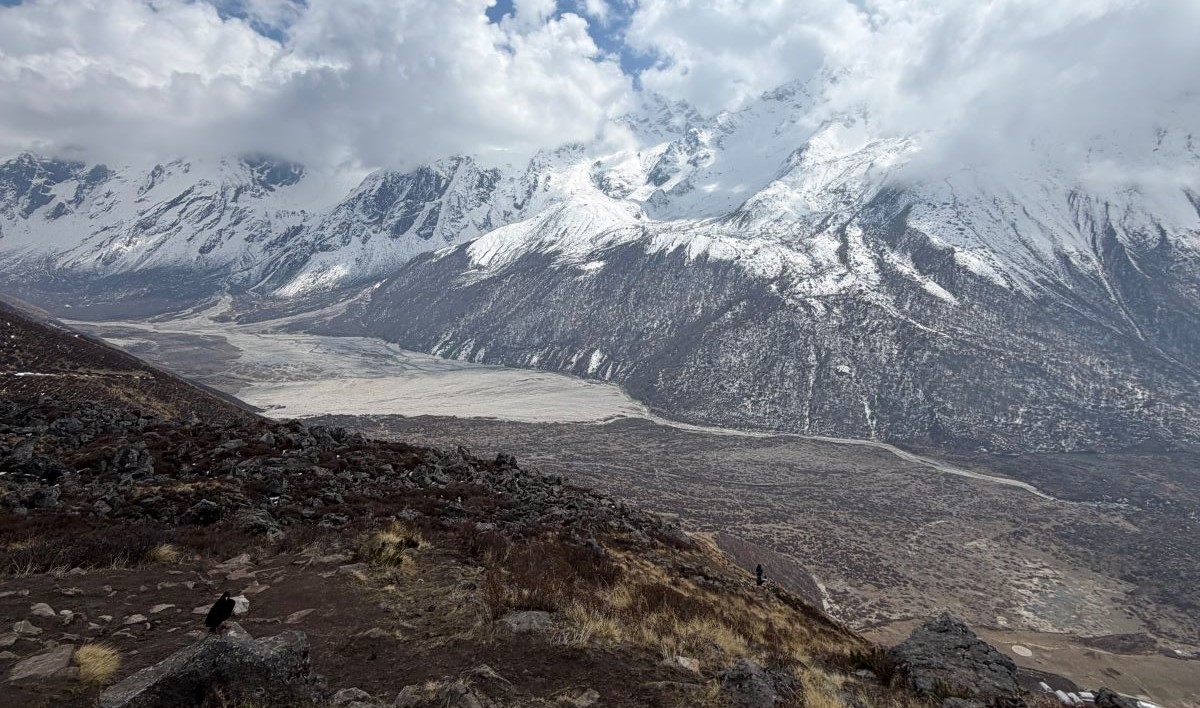
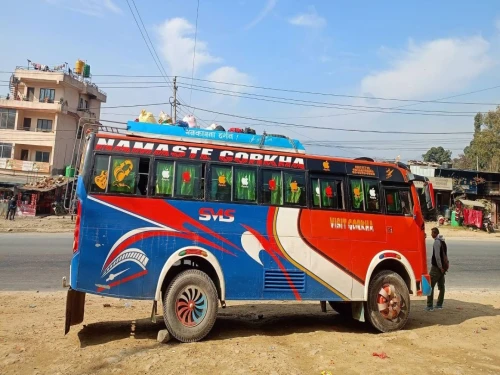
Our Guide Gopi and Guest from USA are on the way to Langtang Valley Trek in April 2026
The Langtang Valley Trek, which is also the nearest trek from Kathmandu, has a way of surprising people. Before I did the trek, I expected incredible mountain views and traditional Tamang villages. Those certainly lived up to expectations, but what stayed with me even more was how much the experience changed from one day to the next.
Walking through dense forests below Lama Hotel felt completely different from standing in the open valley around Kyanjin Gompa, with Langtang Lirung towering overhead and snow-covered peaks stretching in every direction.
After returning, one question kept coming up whenever friends or fellow trekkers asked about the journey: When is the best time to do the Langtang Valley Trek?
Having completed the trek in April, I understand why that question matters. The weather was comfortable for hiking, the hillsides were covered with blooming rhododendrons, mornings usually offered crystal-clear mountain views, and the trail was lively without ever feeling overcrowded. It gave me a chance to experience Langtang at one of its most colorful times of the year.
That doesn't mean April is the only good option. Every trekking season offers something different. Autumn (September-November) is known for its exceptionally clear skies after the monsoon; winter (December-February) rewards trekkers with snow-covered landscapes and quieter trails, while summer and the monsoon (June-August) bring lush greenery, fewer visitors, and a completely different atmosphere despite the challenges of rain and leeches.
So, the best time to do the Langtang Valley Trek really depends on what you want from the journey. While many trekkers just want to avoid crowds, others want mild temperatures for comfortable hiking, and still others prioritize the clearest Himalayan views.
Understanding how each season affects the Langtang Valley Trek weather, trail conditions, mountain visibility, and overall trekking experience will help you choose the right time for your adventure.
To help you plan your Standard Langtang Valley Trek with confidence, I'll break down each trekking season in this guide, outlining its benefits and drawbacks as well as which months are ideal for different kinds of hikers.
Why the Right Season Makes a Difference During Langtang Region Trekking
During the Langtang Valley Trek, I discovered that, depending on the time of year, the same trail can provide an entirely different experience. The weather, mountain views, trail conditions, and even the village atmosphere can all change drastically from season to season, but the route remains the same.
Beginning in the lower forests of Langtang National Park, where temperatures are generally mild throughout the year. As you gain elevation through Lama Hotel, Langtang Village, and finally Kyanjin Gompa (3,870 m), conditions become much more dependent on the season.
A sunny morning can quickly turn into cloud cover, afternoon winds are common at higher elevations, and winter snowfall or monsoon rain can noticeably affect the trail.
Seasonal changes also influence what you'll experience along the way. In spring, the forests come alive with blooming rhododendrons and fresh greenery. Autumn usually brings the clearest mountain views of the year, making it a favorite season for photographers and first-time trekkers.
Winter covers the upper valley in snow and offers a quieter trekking experience, while the monsoon transforms the landscape into a lush green valley but often limits visibility and makes some sections muddy.
Another factor many trekkers overlook is comfort. Daytime temperatures, overnight conditions at Kyanjin Gompa, and visibility during the hike to Tserko Ri can vary significantly from one month to another.
Selecting the ideal season can help you make the most of your time in the Langtang region, make the trek more pleasurable, and increase your chances of seeing the Himalayas.
As a result, understanding the strengths and challenges of each season is just as important as selecting the appropriate itinerary. Whether you're planning your first Langtang Trek or returning for another visit, knowing what to expect will help you choose the season that matches your travel style.
Langtang Valley Trek in Spring (March to May)
If someone asked me to recommend just one season for the Langtang Valley Trek, spring (March -May) would be my first choice. I finished the trek in April, and it's clear why so many experienced guides think it's one of the best times to visit the Langtang region. The days were pleasantly warm for hiking; mornings usually started with clear skies, and the forests below Lama Hotel were filled with blooming rhododendrons that added bursts of red, pink, and white to the trail.
Spring marks the end of winter, so the landscape gradually comes back to life. As you climb from Syabrubesi through the forests of Langtang National Park, you'll notice fresh greenery, flowing streams, and comfortable walking conditions.
By the time you reach Langtang Village and Kyanjin Gompa, the views become even more rewarding, with Langtang Lirung, Gangchempo, Dorje Lakpa, and surrounding peaks often standing out against deep blue skies, especially during the early morning hours.
Another reason spring is considered the best season for the Langtang Valley Trek is the weather. Daytime temperatures are generally comfortable for trekking, while nights at higher elevations remain cold but manageable with proper clothing. Although occasional afternoon clouds can develop, they rarely affect the overall trekking experience if you begin walking early each morning.
One thing I appreciated most was the balance. The trails had a steady number of trekkers, tea houses were open and welcoming, and there was a lively atmosphere without feeling overly crowded. It was easy to meet fellow hikers along the way while still enjoying long stretches of peaceful trail through forests and alpine valleys.
If you're planning to hike to Kyanjin Ri or Tserko Ri, spring also offers some of the year's best conditions. Starting before sunrise usually rewards you with crisp mountain air, excellent visibility, and panoramic Himalayan views before clouds begin building later in the day.
For first-time visitors, photographers, and anyone hoping to experience the valley at its most colourful, March, April, and May remain among the best months for the Langtang Trek. Spring is one of the most rewarding times to visit this remarkable Himalayan valley, thanks to the stable weather, blooming forests, comfortable temperatures, and spectacular mountain scenery.
Superb View During Spring (April)
Langtang Valley Trek in Autumn (September to November)
If spring is known for colorful forests, autumn is all about the mountains. After the summer monsoon clears the dust and moisture from the atmosphere, the Himalayas often appear at their sharpest, making September, October, and November some of the most popular months for the Langtang Trekking in Nepal.
The trail also changes noticeably after the rains. Hillsides turn green, waterfalls flow strongly, and the forests feel fresh from weeks of monsoon rainfall. By the time you climb above Langtang Village and reach Kyanjin Gompa, the skies are often remarkably clear, offering uninterrupted views of Langtang Lirung, Yala Peak, Gangchempo, Dorje Lakpa, and the surrounding Himalayan range.
For many trekkers, October is considered the best month for Langtang. Rainfall has usually ended, temperatures remain comfortable during the day, and visibility is often excellent for side hikes to Kyanjin Ri and Tserko Ri. The mornings are generally calm and clear, making sunrise one of the highlights of the trek.
Autumn is also Nepal's busiest trekking season, so you'll notice more activity on the trail than in spring or winter. Tea houses are fully operational, guides and porters are readily available, and villages have a welcoming atmosphere as trekkers from around the world pass through the valley. Even with the increased number of visitors, the Langtang region still feels quieter than routes such as the Everest Base Camp Trek or the Annapurna Circuit.
As November progresses, temperatures begin to drop, especially at higher elevations. Days remain pleasant for walking, but mornings and evenings become noticeably colder around Kyanjin Gompa. Carrying warm layers is essential, particularly if you plan to hike before sunrise or stay outdoors after sunset.
If your priority is clear Himalayan views, stable weather, and excellent trekking conditions, autumn is one of the most rewarding times to visit. Whether you're trekking for the first time or returning to Langtang, it's easy to understand why this season consistently ranks among the favorites for both guides and experienced trekkers.
Stunning Langtang Himalayan Range During October
Langtang Valley Trek in Winter (December to February)
Winter offers a completely different side of the Langtang region. By December, the crowds of autumn have disappeared, leaving the trails much quieter and the mountains covered in fresh snow.
If you enjoy peaceful trekking and don't mind colder temperatures, this can be one of the most rewarding times to explore the valley, and you can choose the Langtang Valley Trek 4 Days so you quickly explore the region whenever the weather is favorable in winter.
The lower section of the trek, from Syabrubesi to Lama Hotel, usually remains comfortable for walking during the day. As you continue towards Langtang Village and Kyanjin Gompa, temperatures drop significantly, especially at night. It's common for early mornings to stay below freezing, and higher viewpoints such as Kyanjin Ri and Tserko Ri may receive fresh snowfall during the season.
One of winter's biggest advantages is visibility. Stable weather often brings crisp, cloud-free mornings, creating spectacular views of Langtang Lirung, Gangchempo, and the surrounding Himalayan peaks. The combination of blue skies and snow-covered landscapes gives the valley a completely different character compared to spring or autumn.
That said, an offseason trek to Langtang requires a little more preparation. Warm clothing, quality sleeping gear, and proper layering become much more important, particularly at higher elevations.
After heavy snowfall, sections of the trail may become icy, and side hikes to higher viewpoints can depend on local weather conditions. It's always worth checking recent trail updates with your trekking agency before setting out.
For trekkers looking to avoid peak-season crowds and experience the Langtang region at its quietest, December and early January can be an excellent choice. As long as you're prepared for colder conditions, the Langtang Valley Trek in winter offers stunning scenery, peaceful trails, and a unique Himalayan experience that many visitors never get to see.
Winter View During Langtang Trek
Langtang Valley Trek in Monsoon (June to August)
The monsoon season is usually the least popular time to do the Langtang Valley Trek, but that doesn't mean the trail closes or becomes impossible. If you're prepared for frequent rain and flexible with your plans, the valley offers a quieter and greener experience that many trekkers never get to see.
As the summer rains arrive, the forests of Langtang National Park become incredibly lush. Moss-covered trees, wildflowers, flowing waterfalls, and fresh mountain streams transform the landscape, making the lower sections of the trek feel completely different from the dry months of autumn or winter. Wildlife sightings can also become more frequent, especially during the quieter mornings.
The biggest challenge is the weather. Rainfall is common, particularly in the afternoons and evenings, which can make forest trails muddy and slippery. Clouds often cover the higher peaks, so mountain views are less consistent than during spring or autumn.
Leeches may also be present in the lower forests, especially between Syabrubesi and Lama Hotel, so carrying salt or leech socks is a practical precaution.
Even with these challenges, the monsoon has its advantages. Tea houses are quieter, trails are less crowded, and the landscape feels fresh after every rainfall.
Mornings often provide the clearest weather, so starting your walk early gives you the best chance of enjoying mountain views before clouds begin to build later in the day.
If your main goal is uninterrupted Himalayan panoramas, another season will likely suit you better.
Monsoon View During Trek to Langtang Valley : Possible to do During Moonsoon(June to Starting September)
So, When Is the Best Time to Do the Langtang Valley Trek?
After experiencing the Langtang Valley Trek and comparing what each season has to offer, I'd confidently recommend April and October for most trekkers. Both months strike an excellent balance between comfortable weather, clear mountain views, reliable trail conditions, and an enjoyable trekking atmosphere.
If I had to choose just one month, April would still be my personal favourite. That's when I trekked to Kyanjin Gompa, and the combination of blooming rhododendron forests, comfortable daytime temperatures, and clear morning views of Langtang Lirung made every day on the trail memorable. The valley felt alive without being overwhelmingly busy, and the weather was ideal for the hike to Tserko Ri.
That said, there's no single "perfect" month for everyone. If you're visiting Nepal for the first time and want the highest chance of clear Himalayan views, October is hard to beat.
For photographers, both April and late October to early November offer outstanding light and visibility. If you enjoy quieter trails and snow-covered landscapes, December and January can be incredibly rewarding, provided you're prepared for freezing temperatures.
Meanwhile, trekkers who value solitude and lush green scenery over mountain panoramas may still enjoy the monsoon months despite the frequent rainfall.
Fortunately, this is one of Nepal's most rewarding tea house treks, and every season reveals a different side of the valley. Whether you walk through colorful spring forests, beneath the crystal-clear skies of autumn, across fresh winter snow, or among the vibrant greenery of the monsoon, Langtang has a unique way of leaving a lasting impression.
If travelers have more days in Nepal and also want to explore the whole Langtang region, then we crafted the Langtang Gosaikunda Trek.
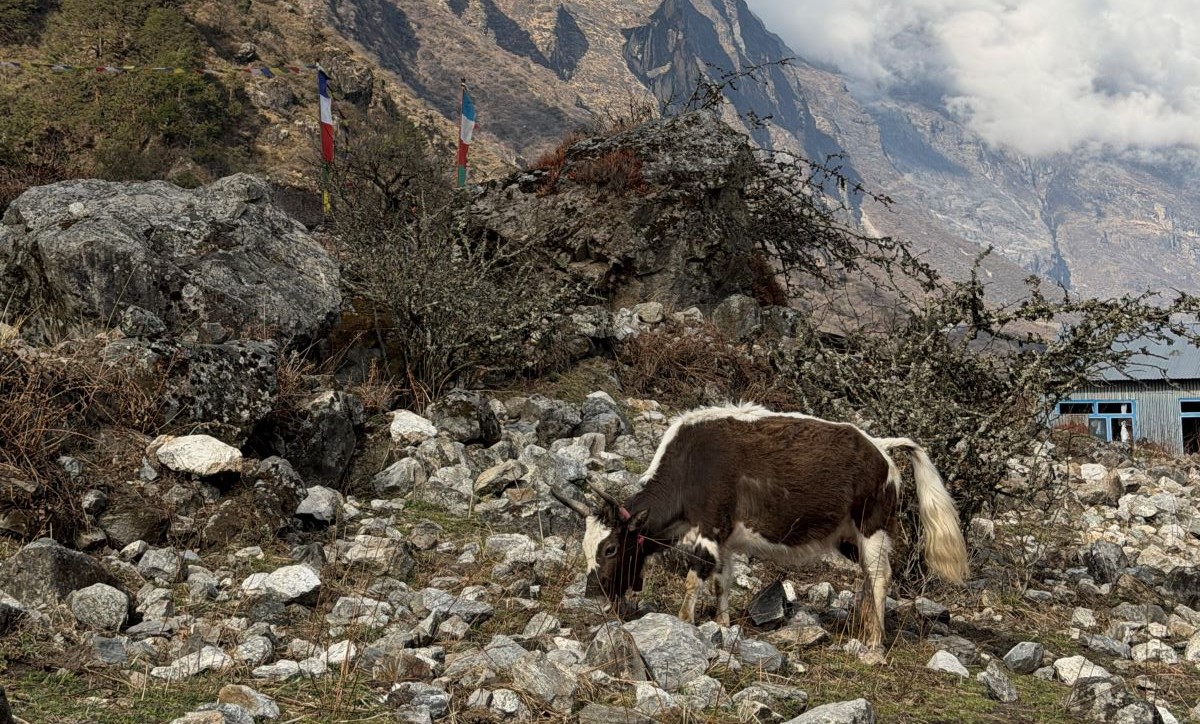
Mountain Yak at Langtang Valley
Frequently Asked Questions
1: What is the best time to do the Langtang Valley Trek? For most trekkers, spring (March to May) and autumn (September to November) are the best seasons for the Langtang Valley Trek. These months usually offer stable weather, comfortable temperatures, clear Himalayan views, and excellent trail conditions. If you're looking for the ideal balance of scenery and trekking conditions, April and October are often considered the best months.
2: Is April a good month for the Langtang Trek? Yes. April is one of the most popular months to trek in Langtang Valley. The weather is generally pleasant, rhododendron forests are in full bloom, and mornings often provide excellent views of Langtang Lirung, Gangchempo, and surrounding peaks. It's an ideal month for both first-time trekkers and photographers.
3: Is October better than April for the Langtang Valley Trekking? Both months are excellent, but they offer slightly different experiences. October is known for exceptionally clear skies after the monsoon and consistently stable weather, while April combines good mountain visibility with blooming forests and warmer daytime temperatures. If your priority is mountain photography, October has a slight advantage, whereas April offers more colourful landscapes.
4: Can I do the Langtang Valley Trek during winter? Yes. The Langtang Valley Trek remains possible during December, January, and February, although temperatures become much colder, especially around Kyanjin Gompa. With proper winter clothing and an experienced guide, many trekkers enjoy the quieter trails and snow-covered scenery during this season.
5: Is the Langtang Trek possible during the monsoon? Yes, but monsoon trekking requires more flexibility. Rain, muddy trails, and cloudy conditions are common between June and August, particularly in the lower forests. However, trekkers who don't mind occasional rain can enjoy lush landscapes, fewer crowds, and a peaceful atmosphere.
6: Which month has the clearest mountain views in Langtang? October is widely regarded as the month with the clearest mountain views because the monsoon dust and humidity have settled. Early mornings in November and April also frequently provide excellent visibility across the Langtang Himal.
7: Does it snow on the Langtang Valley Trek? Yes. Snowfall is common during the winter months, particularly around Kyanjin Gompa, Kyanjin Ri, and Tserko Ri. After heavy snowfall, higher sections of the trail may require extra caution, and local conditions should always be checked before trekking.
8: Which season has fewer crowds on the Trek to Langtang Valley? If you prefer quieter trails, winter and the monsoon season usually see far fewer trekkers than spring and autumn. Tea houses remain open in many villages, although some may operate with limited services during the quieter months.
9: How many days are recommended for the Langtang Valley Trek in Nepal? Most trekkers complete the Langtang Valley Trek in 7 to 10 days, depending on the itinerary. This allows enough time to trek from Syabrubesi to Kyanjin Gompa, enjoy an acclimatization day, and hike to viewpoints such as Tserko Ri before returning. Our 8-Day Langtang Valley Trek is the standard package.
10: Is the Langtang Trekking suitable for beginners? Yes. The Langtang Valley Trek is frequently recommended for beginners with a moderate level of fitness. Although the trail does not require technical climbing skills, daily hikes, increasing altitude, and longer walking hours necessitate proper preparation. Choosing the appropriate season, particularly spring or autumn, and the best company for Langtang, such as Mount Glory Treks, can make the trek more comfortable and enjoyable.
Born and raised in the Mountainous village of Gorkha Nepal. Mr. Pandey is a successful tour leader and a very active social worker contributing a lot to the welfare of society. Mr, Pandey belongs to a very humble background and has started his career as a junior staff in a much-reputed company in Nepal. Mr. Pandey's family background is engaged in the tourism sector for an extended period. After spending many years in research and the drawbacks of tourism development.
Due to his great passion and enthusiasm for the trekking and tourism sector, he started his tour career with many expert teams. He intends to bring revolution to the tourism sector by offering luxurious services and accommodations to travelers at a minimum price. With the Motto of Travellers, satisfaction is my passion. He has been helping many travelers with traveling.

 based on 228 reviews