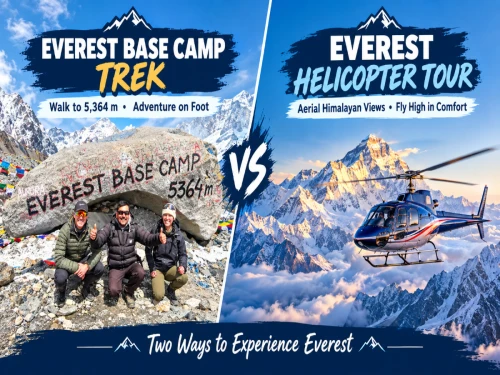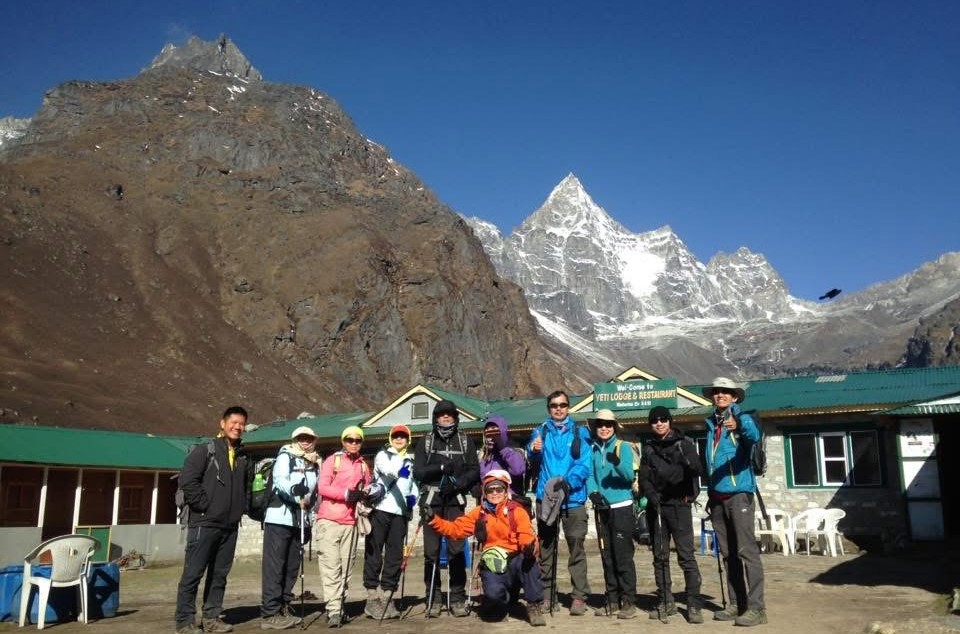
Adventurers from all over the world travel to the world's most famous trekking destination, the Everest Base Camp Trek.
Trekking to the summit of the world offers amazing views of the Himalayas, snow-capped peaks, and a truly once-in-a-lifetime experience.
The EBC journey, which passes through Sherpa villages, monasteries, and picturesque landscapes, blends Himalayan adventure with cultural experiences. However, for safety, comfort, and making the most of the experience, picking the ideal season and time to complete the Everest Base Camp Trek is essential.
As everyone knows, the weather has a direct impact on flight schedules, food availability, accommodations, and trail conditions.
Unique experiences like blooming rhododendrons and mild spring weather are undoubtedly brought about by seasonal variations. Similarly, autumn offers the best visibility and crystal clear skies.
While the monsoon offers lush green valleys with slick trails and potential flight delays, the winter months feature snowy landscapes and few hikers.
Trekking in the best season guarantees a safer journey and lowers the chance of altitude sickness. Additionally, the timing has an impact on memorable mountain views and photographic opportunities.
You can reserve guides, permits, and lodging during the busiest time of year by planning your EBC trek in advance.
We will go into great detail about the timings of the EBC trek and the things you will get or miss during the time of year, so if you are thinking about trekking to the EBC of Nepal and wondering about the best time and seasons, this article is for you.
Additionally, we offer a variety of Everest Base Camp Tour packages if you are already aware of the best time or have been preparing for this journey.
From the Luxury Everest Base Camp Trek to the Standard Everest Base Camp Trek and the Helicopter Everest Base Camp Tour, we have packages to suit all preferences and types of travelers.
Overview of Everest Base Camp Trek
- Trek Distance: Depending on the route you choose (Standard Route vs. Gokyo Lakes/Three Passes extension), the total distance is about 130 km via Lukla.
- Duration: Including acclimatisation days to lower the risk of altitude sickness, the typical itinerary lasts 12–16 days.
- Altitude: The Everest Base Camp is located at 5,364 metres (17,598 feet); hikers also travel through Tengboche (3,867 metres) and Namche Bazaar (3,440 metres).
- Difficulty Level: Strenuous to moderate. Long walking days, steep climbs, and high-altitude difficulties are all part of the trek.
- Ideal For: Adventure seekers with a moderate level of fitness; prior technical climbing experience is not necessary.
- Highlights Along the Route: Sherpa villages, Buddhist monasteries, Everest viewpoints (Kala Patthar), and stunning Himalayan landscapes.
- Accommodations: Basic but cosy accommodations can be found at tea houses and lodges along the trail; larger villages like Namche Bazaar have better amenities.
- Scenic and Cultural Experiences: Get to know the locals, observe Sherpa culture, and take in expansive views of the mountains.
- Permits: TIMS card (Trekkers' Information Management System) and Sagarmatha National Park permit.
Best Seasons for Everest Base Camp Trek
For your Everest Base Camp trek to be safe, pleasurable, and unforgettable, the season is crucial. Even though every season offers a different experience, your trip can be significantly impacted by elements like the weather, the state of the trail, and the number of people.
Here is a brief guide to help you choose the ideal time to walk:
| Seasons | Months | Temperature | Highlights | Pros | Cons |
| Spring | March to May | 10–15°C (low), with higher elevations being colder | Rhododendron blooms, views of the Himalayas, clear skies, and moderate crowds | Best weather and scenery, manageable trails | Slightly crowded; early bookings needed |
| Autumn | September to November | 10–20°C (low), chilly nights | Peak season, expansive views, and crystal-clear | Stable weather, excellent visibility, ideal | High crowd levels; lodges fill fast |
| Winter | December - February | Very cold, especially above 4,000 m | Snow-covered peaks, quiet trails, minimal trekkers | Peaceful, unique winter landscapes | Frostbite risk, some lodges closed, limited amenities |
| Monsoon | June - August | Warm, wet, high humidity | Waterfalls, verdant valleys, and a dearth of hikers | Lower cost, quiet trails | Slippery trails, landslides, poor visibility, and flight delays |
Planning your trek around the ideal season guarantees the best experience, whether you're looking for clear skies for photography, blooming rhododendrons in the spring, a serene winter walk through the snow, or a lush green off-season adventure.
Take a look at our season-specific Everest Base Camp trekking packages and begin organising your Himalayan journey right now!
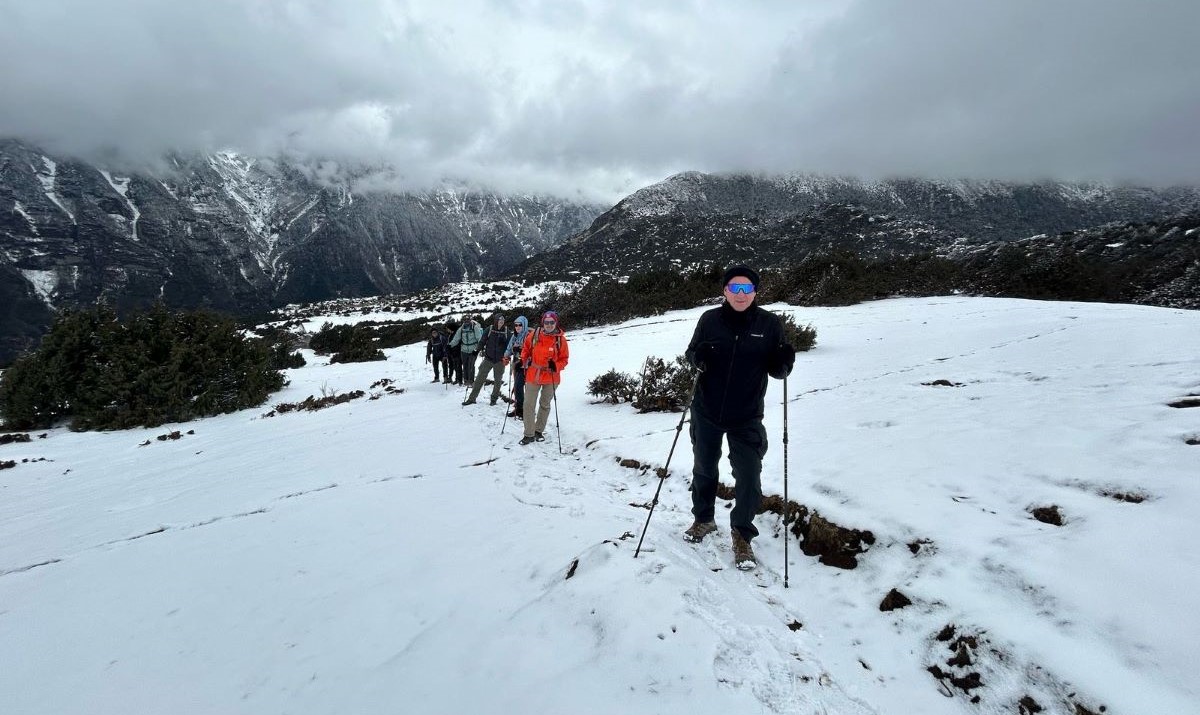
Monthly Breakdown of EBC Trekking Conditions
Learn about the monthly breakdown of trek conditions now that you are familiar with the seasons and their effects during the trek to EBC. Because the month is the first thing that comes to mind when you plan an adventure.
- March: Trails become accessible, snow begins to melt, and crowds are moderate.
- April: Clear trails, moderate to large crowds, and rhododendron blooms.
- May: Warm, pre-monsoon weather with breathtaking views of the mountains; trails are becoming more crowded; early reservations are advised.
- June-August: Monsoon season, with heavy rainfall, slippery trails, and limited visibility; low crowds, risk of landslides, and flight delays.
- September: After the monsoon, the weather is stable, the skies are clear, and the crowds are moderate, making it perfect for photography.
- October: Peak season, ideal trekking weather, excellent visibility; high crowds; book early.
- November: Clear skies, crisp air, and scenic views; moderate crowds, ideal for photography.
- December–February: There are fewer hikers, some lodges are closed, it's cold, and there may be snow on the higher trails.
Other Things to Think About Before Making Travel Plans to EBC
Before creating plans for the EBC journey, there are a few other factors to consider in addition to the seasons and weather. For the ideal Himalayan experience, everything must be considered, including flights, cost, crowds, hazards, and equipment.
Crowd Levels
Trail traffic and lodging availability are greatly impacted by seasonal variations. Therefore, it is best to make reservations in advance during the busiest times of year, such as autumn and spring. Similarly, the quieter trails are available during the off-season, but there may be fewer services.
Flight to Lukla
The flight to Lukla is one of the most picturesque in the world, but it is very weather-dependent. Due to traffic congestion during peak hours, the airport may operate from Manthali Airport even though spring and autumn are the safest months for on-time flights. The monsoon and winter months are frequently delayed or cancelled due to poor visibility and inclement weather.
Altitude Sickness Risk
You should always be mindful of the risks of altitude sickness when trekking at high altitudes in the Himalayas. Acute Mountain Sickness (AMS) is more likely to occur at higher elevations.
Due to the dry and chilly air, there is an increased risk in late autumn and winter. For this reason, pacing, hydration, and acclimatisation are crucial.
Gear & Preparation
Having the right equipment and preparation is another crucial aspect of your trip to Nepal and the Himalayas.
You must pack appropriately for the time of year you are travelling. For example, waterproof clothing for the monsoon and warm layers for the winter.
Bring necessities, such as sleeping bags designed for chilly nights at high altitudes. Comfort and safety are enhanced by additional items like sturdy boots and trekking poles.
Book with a Local Travel Company
Now that you've learnt about the best time, things to consider, and everything else you need to know, making a reservation with the appropriate travel company will be the most crucial factor in determining the quality of your trip.
Local travel agencies are always one step ahead of the pricey and distant foreign ones that might provide you with better services in certain areas.
- Skilled Guides: Local guides are well-versed in the Everest region, including seasonal variations, trail conditions, and cultural highlights.
- Safety and Health Monitoring: There are risks associated with high-altitude trekking; qualified guides assist in keeping an eye on health, preventing altitude sickness, and handling emergencies.
- Logistical Support: Your journey will be stress-free thanks to the arrangements made for permits, TIMS cards, lodging, and porters.
- Local Knowledge: Guides can help you avoid crowds and get the most out of your trip by knowing the best routes, acclimatisation locations, and secret trails.
- Cultural insights: Get firsthand knowledge of regional celebrations, customs, and the Sherpa way of life. Along the way, some businesses can even plan festival visits (like Mani Rimdu).
- Cost and Time Efficiency: Compared to independent planning, prearranged logistics save time and frequently money.
- Peace of Mind: Trekkers can concentrate fully on the experience and photography, knowing that every aspect, including flights and emergency assistance, is taken care of.
- Optional Extras: A lot of local businesses offer extras like gear packages, travel insurance, helicopter evacuation, and sightseeing tours.
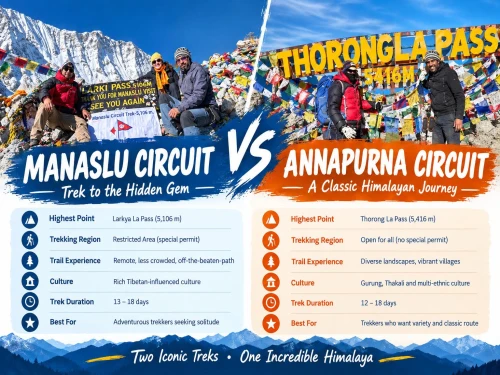
- Explore Other Treks: Local operators like Mount Glory Treks can also set up other well-known treks in Nepal, like the Manaslu Circuit, Gokyo Lake, or Three Passes, allowing you to easily plan several adventures.
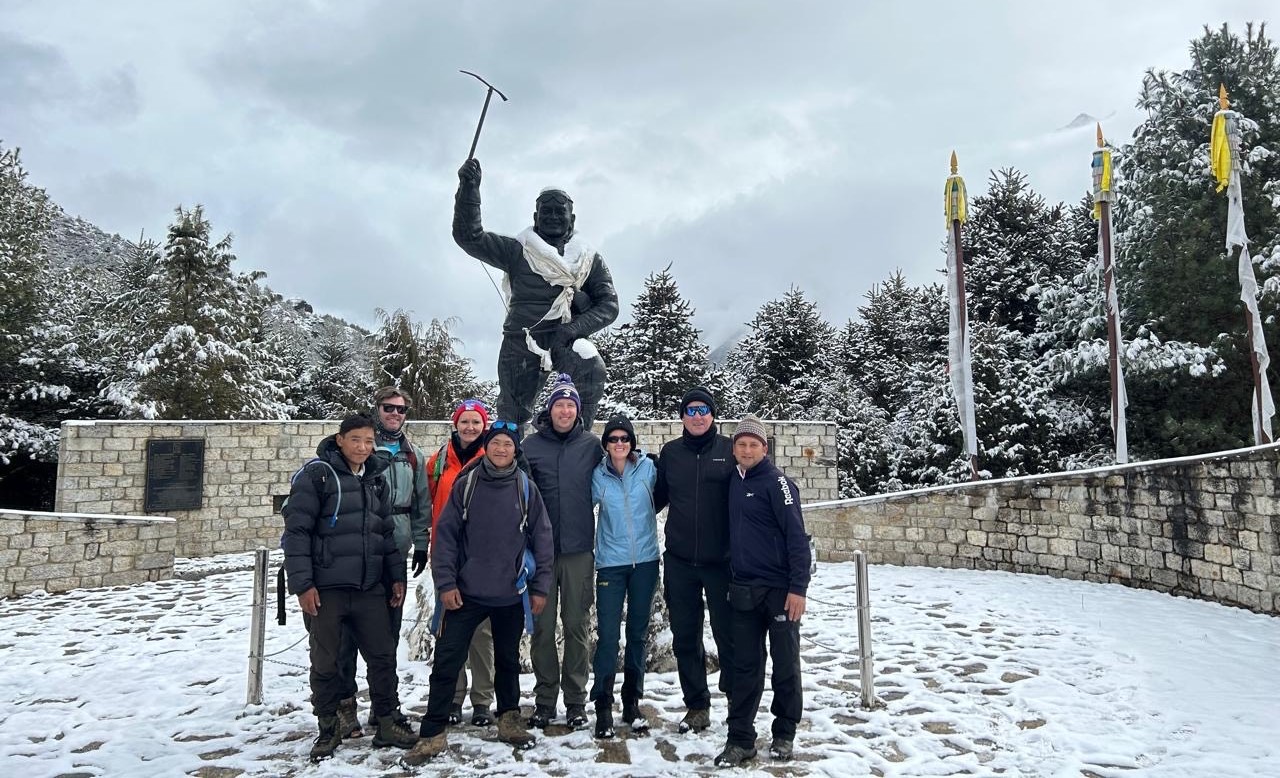
In Conclusion
The best time to do the Everest Base Camp Trek is during the Spring(March to May) and autumn (September to November) seasons. Clear skies, perfect trekking conditions, and breathtaking views of the Himalayas are among the trekkers' favourite options this time.
If you dislike crowds and prefer a private, solitary trekking experience, winter is ideal because it provides a peaceful snow-covered trek, whereas the monsoon season is best for adventure seekers who enjoy lush green valleys and have prior experience.
However, if you intend to go on monsoon or off-season treks, it is crucial to let people know in advance because, as we have discovered, there are many difficulties.
It is advised to plan ahead, reserve flights in advance, and select the ideal travel agency and package that fits your preferences and trekking style if you want to get the most out of your EBC trek.
Are you prepared to begin your journey to the base of the tallest mountain in the world? See our extensive selection of Everest Base Camp Journey packages for personalised itineraries, knowledgeable guides, hassle-free logistics, and the ability to turn your ideal trek into a reality right now.
Frequently Asked Questions
1: What is the best time to do the Everest Base Camp trek?
The best seasons for stable weather, clear skies, and stunning mountain views are spring (March–May) and autumn (September–November). Monsoon is ideal for those seeking adventure, but winter offers a more sedate, snow-covered walk.
2: What is the duration of the trek to Everest Base Camp?
Including acclimatisation days to lower the risk of altitude sickness, the typical itinerary takes 12 to 16 days.
3: What permits are required for the Everest Base Camp trek?
To legally trek the area, you need a TIMS (Trekkers’ Information Management System) card and a Sagarmatha National Park Permit.
4: Do I need to be very fit to do the Everest Base Camp trek?
It doesn't require technical climbing experience, but it does require a moderate level of fitness and stamina. Prior to the trek, endurance training is very beneficial.
5: What is the risk of altitude sickness on the EBC trek?
A safe walk requires adequate acclimatisation, hydration, and pacing because altitude sickness can occur above 3,000 metres.
6: What kind of accommodation is available on the Everest Base Camp trail?
Basic twin rooms are available at tea houses and lodges; larger villages like Namche Bazaar offer more comfortable accommodations.
7: What food and drinks are available along the EBC trek?
Along with some Western options, local Nepali dishes like dal bhat, noodles, pasta, and soups are served; stay away from alcohol at high altitudes.
8: How much money should I budget for daily expenses on the trek?
Budget for meals, hot beverages, water, and small extras as daily costs rise with altitude. There aren't many ATMs, so bring extra cash.
9: Is electricity and internet available on the Everest Base Camp trek?
It's advised to bring a power bank or solar charger as a backup because many tea houses have spotty Wi-Fi and electricity.
10: How can I get safe drinking water during the trek?
Tea houses offer boiled or filtered water, or you can use filters or tablets for water purification.
11: What happens if my flight to Lukla is delayed or cancelled?
Plan buffer days in your itinerary because flights to Lukla are highly weather-dependent and frequently experience delays or cancellations.
12: Do I need to book trekking flights to and from Lukla myself?
Lukla flights are typically included in travel packages, but always check with your operator and leave room for adjustments.
13: Is it possible to do the Everest Base Camp trek in winter or monsoon?
Yes, but the monsoon brings heavy rain and slick trails, and winter is extremely cold; both call for adequate equipment and adaptability.
14: How do I carry my luggage on the trek?
Porters can carry larger bags along the trail, so bring a daypack for necessities.
15: Are there any cultural or local experiences on the EBC trek?
You will pass monasteries like Tengboche, Sherpa villages, and festivals like Mani Rimdu.
16: What trekking gear should I bring for Everest Base Camp?
Warm layers, a high-altitude sleeping bag, trekking boots, trekking poles, and, depending on the season, rain gear are all necessary pieces of equipment.
17: Can a beginner trek to Everest Base Camp?
Yes, beginners with a moderate level of fitness and adequate preparation can complete the non-technical trek.
18: Is it safe to trek solo, or do I need a guide?
Experienced hikers can try it alone, but for safety, permits, and cultural insights, a certified local guide is advised.
19: What happens in a medical emergency on the trek?
In the event of a major emergency, helicopters and other evacuation options are available, and guides keep an eye on health.
20: How can I reduce my environmental impact while trekking to Everest Base Camp?
Refillable water bottles should be used, single-use plastics should be avoided, local customs should be respected, trail etiquette should be followed, and community-based lodges should be supported.

 based on 228 reviews


.webp)