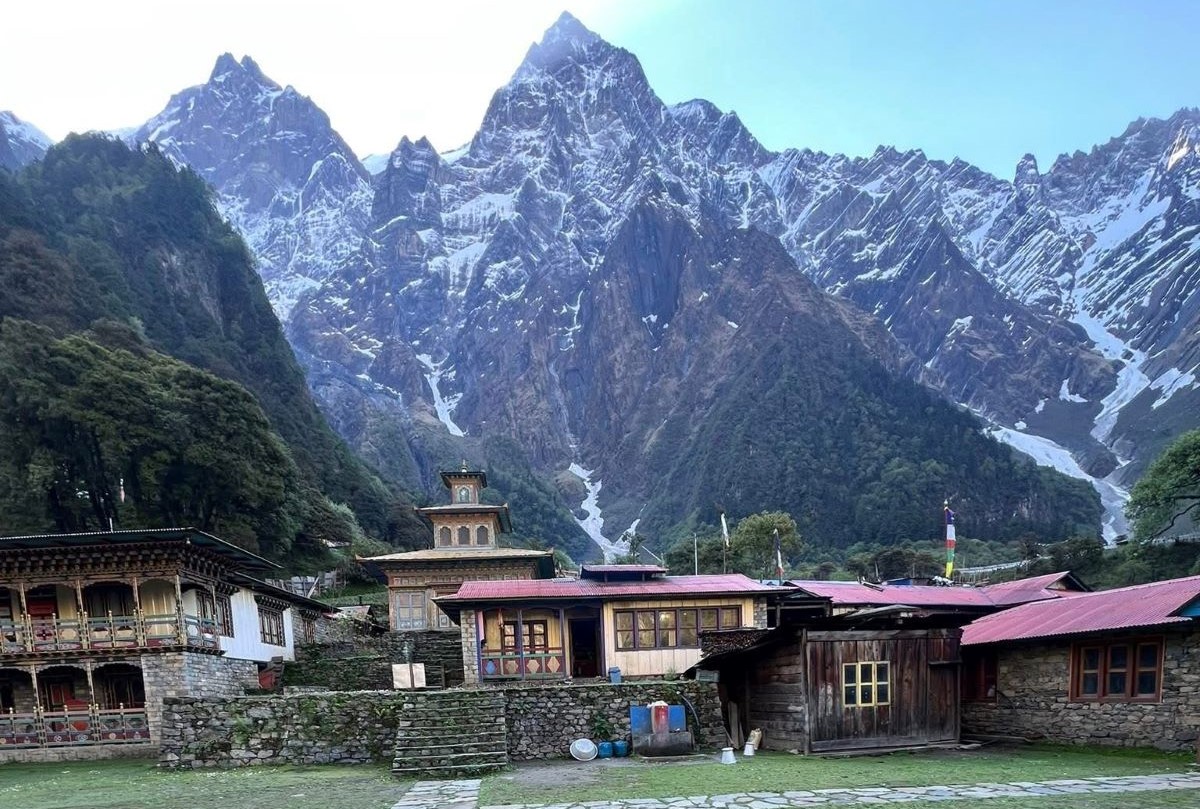
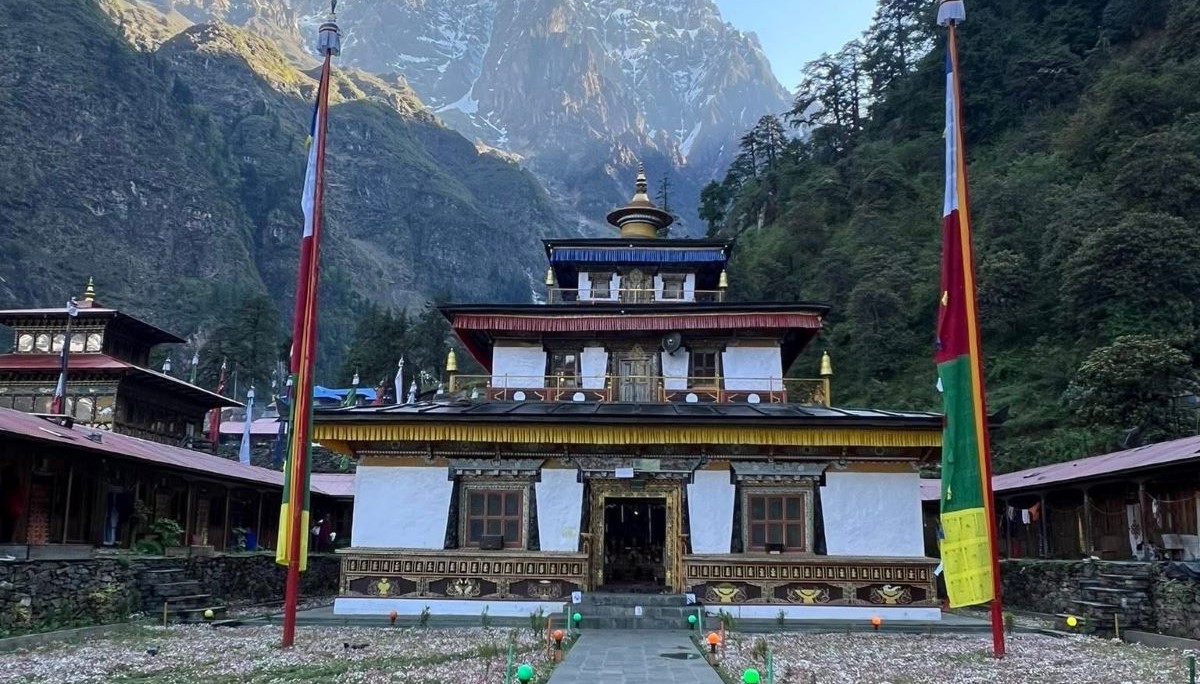
One of the Famous Monastery along the Manaslu Circuit Trek Route
The Manaslu Region is one of Nepal's most spectacular and culturally rich Himalayan destinations, located in the north-central part of the country near the Nepal–Tibet border. Dominated by the majestic Mount Manaslu (8,163 m) Eights Highest Peaks in the World, the region is surrounded by stunning peaks including Himalchuli, Ngadi Chuli, Ganesh Himal, and Sringi Himal.
The name "Manaslu" is derived from the Sanskrit word Manasa, meaning "Mountain of the Spirit" or "Intellect." Trekking in this region began gaining popularity after it was officially opened to foreign trekkers in 1991. Today, visitors can enjoy the famous Manaslu Circuit Trek, Tsum Valley Trek, Manaslu and Annapurna Circuit Combination Trek, and several remote village exploration routes.
As a restricted area, the Manaslu Region has preserved its authentic Tibetan Buddhist culture, ancient traditions, and pristine natural environment. The region is home to centuries-old monasteries, including the renowned Mu Gompa and Rachen Gompa in Tsum Valley and Sernag Gompa and Pungyan Gompa in Manaslu Circuit, reflecting strong spiritual and cultural connections with Tibet.
From subtropical forests and deep river gorges to alpine meadows and the challenging Larkya La Pass (5,106 m), the Manaslu Region offers extraordinary biodiversity, dramatic landscapes, rare wildlife, and unforgettable cultural experiences for adventurous trekkers.
Popular 10 Monasteries in Manaslu & Tsum Valley Area
Monasteries Along Manaslu Trek
1: Ribung Gompa(Lho Monastery)-Lho Village
Ribung Gompa (Lho Monastery) is a sacred Buddhist monastery located in Lho Village in the Manaslu region of Nepal, Gorkha District. It is believed to have been built in the 19th century by local Tibetan Buddhist communities, serving as a spiritual center for surrounding Himalayan settlements. The monastery is cared for by local Lho monks and villagers, with a small resident monastic community, usually around 10–20 monks, while nuns are not permanently based here. The complex is modest in size with a main prayer hall, prayer wheels, and murals, preserving Tibetan Buddhist culture and serving Manaslu Circuit trekkers.
2: Pungyen Gompa-Samagaun
Pungyen Gompa is a sacred Buddhist monastery located near Samagaun in the Manaslu Conservation Area of Nepal, close to Mount Manaslu. It is believed to be several centuries old, associated with Tibetan Buddhist traditions, and possibly rebuilt over time after natural damage. The gompa is maintained by local monks and Samagaun villagers, usually hosting a small community of about 5–15 monks, with no permanent nuns. It holds strong spiritual significance for the region, serving pilgrims and trekkers throughout the year.
3: Samagaun Monastery: Samagaun
Samagaun Monastery in Samagaun is a small Tibetan Buddhist gompa. It is believed to be centuries old, rebuilt over time. Local monks maintain it. Around five to ten monks reside; no permanent nuns. It serves spiritual rituals, prayer ceremonies, and trekking cultural heritage, modest in size here.
4: Shringi Gompa: Bihi
Shringi Gompa is a Tibetan Buddhist monastery located in Bihi Village in the Manaslu region of Nepal. It is believed to have been established centuries ago by local Tibetan Buddhist communities and later renovated several times. The gompa is cared for by local villagers and resident monks. Around 5–12 monks usually stay here, with no permanent nuns. It holds strong historical and spiritual significance as a village protector monastery, hosting rituals, festivals, and prayers for surrounding communities and trekkers. The structure is modest in size, featuring a prayer hall, murals, and traditional prayer wheels. Important cultural and religious heritage site
5: Serang Gompa(Syarang Gompa);Near Bihi
Serang Gompa (Syarang Gompa) is a remote Tibetan Buddhist monastery located near Bihi Village in the Manaslu Conservation Area. It is believed to date back several centuries, founded by early Tibetan Buddhist practitioners and later restored by local communities. The gompa is cared for by Bihi villagers and resident monks, usually around 5–10 monks, with no permanent nuns. It holds strong cultural and spiritual heritage, supporting meditation, rituals, and Manaslu trekking cultural experience. The monastery is small in size, featuring a prayer hall, chortens, and traditional murals.
Monasteries in Tsum Valley
6: Mu Gompa; Highest Monastery in Tsum Valley
Mu Gompa is the highest (3,700 m) monastery in Tsum Valley, located in the remote hidden valley of Nepal. It was built in the late 19th century by Tibetan Buddhist lamas and serves as a key spiritual center of the hidden valley. The monastery is cared for by resident monks from nearby settlements, usually around 10–20 monks, with no permanent nuns. It holds strong historical significance for Tibetan Buddhism, meditation practices, and Tsum Valley trekking cultural heritage in the restricted Manaslu region area, Nepal
7: Rachen Gompa; Famous Monastery
Rachen Gompa is a Buddhist nunnery at about 3240m in Tsum Valley, Nepal. Built in the early 20th century, in 1905, by Tibetan Buddhist master Drubthob and disciples. It is caretaken by resident nuns. Holds around 80–100 nuns approx. Strong historical significance in Tibetan Buddhism, meditation retreat, women's monastic education, and Tsum Valley pilgrimage trekking cultural heritage. Medium-sized complex with a prayer hall, chortens, murals, a learning center, retreat rooms, and a ritual site
8: Lungdang Gompa: Cliffside Monastery
Lungdang Gompa is a cliffside Buddhist nunnery located in the remote Ganesh Himal trekking area of Nepal, at an altitude of around 3,200 meters. It is believed to have been established in the 20th century by Tibetan Buddhist practitioners. The gompa is maintained by resident nuns, usually around 40–60, with strong meditation and retreat practices. It holds cultural and spiritual significance for Himalayan Buddhist tradition, pilgrimage trekking, and women's monastic education in a secluded mountain environment.
9: Namla Gompa; Sacred Meditation site
Namla Gompa is a sacred meditation site in the remote Tsum Valley at around 3,500m altitude. It was established by Tibetan Buddhist lamas centuries ago and later maintained by local Tsum communities. The gompa is cared for by resident monks, usually 5–10, with no permanent nuns. It holds strong historical significance for meditation retreat, Vajrayana Buddhism, pilgrimage trekking, and hidden valley spiritual heritage in Nepal’s Manaslu conservation region, modest size with a prayer cave, and a small shrine.
10: Chumling Monastery; Chumling Village
Chumling Monastery is located in Chumling Village at about 2,386m. It was established centuries ago by Tibetan Buddhist lamas and local settlers. The monastery is maintained by resident monks, usually 5–10, with no permanent nuns. It holds strong historical importance for Vajrayana Buddhism, meditation, and Tsum Valley trekking cultural heritage. A small complex with a prayer hall, chortens, and traditional murals, serving rituals and village spiritual life.
Why are Monasteries Important in the Manaslu Region?
Monasteries play a vital role in preserving the spiritual heritage, Buddhist culture, and traditional lifestyle of the Manaslu Region. For centuries, these sacred centers have served as places of worship, meditation, education, and community gatherings for local Tibetan Buddhist communities. Ancient monasteries such as Pungyen Gompa and Ribung Gompa reflect the deep influence of Tibetan Buddhism in the region. They safeguard religious scriptures, prayer rituals, and cultural traditions passed down through generations. Visitors can observe monks performing daily prayers, colorful festivals, and spiritual ceremonies that shape local life. These monasteries also offer trekkers a unique opportunity to experience the authentic culture, peaceful atmosphere, and rich Himalayan heritage of the Manaslu Region.
Serang Gompa is a 500-year-old monastery nestled in the "Hidden Valley of Kyimolung" (Nubri Valley) in the Manaslu region of Nepal
Depth of Tibetan Buddhism
Tibetan Buddhism is a centuries-old spiritual tradition that originated in Tibet during the 7th century and later spread across the Himalayan regions of Nepal, including Manaslu. The practice became established in the Manaslu area through Tibetan migration, trade, and cultural exchange. Today, local communities follow Tibetan Buddhist traditions through daily prayers, monastery visits, mani walls, prayer wheels, festivals, and meditation. This rich spiritual heritage shapes the lifestyle, culture, and identity of the Manaslu region.
Historical Importance of Manaslu Area Monastery
The monasteries of the Manaslu region hold deep historical and spiritual significance, reflecting centuries of Tibetan Buddhist heritage. Most monasteries are believed to be several hundred years old and were built by local Buddhist communities, lamas, and Tibetan settlers who migrated across the Himalayas. These sacred sites served as centers for meditation, education, and cultural preservation. Visitors can prepare by learning basic Buddhist customs, respecting local traditions, and maintaining a peaceful attitude. The monasteries inspire travelers through their ancient architecture, prayer rituals, spiritual teachings, and breathtaking Himalayan surroundings.
Religious Festivals at Monasteries along the Manaslu Region
Major Buddhist festivals celebrated at monasteries along the Manaslu Circuit include Lhosar (February–March), the Tibetan New Year, marked by prayers, traditional dances, feasts, and family gatherings. Dumji (June–July) honors Guru Rinpoche with masked dances, rituals, and community celebrations. Mani Rimdu (October–November) features sacred ceremonies, chanting, and colorful mask dances. Villagers gather at monasteries to offer prayers, receive blessings, celebrate Buddhist culture, and strengthen community bonds. Architecture and art of Manaslu Monasteries
Daily life of Monks and Nuns in Manaslu
Daily life of monks and nuns in the Manaslu region monasteries is deeply spiritual, disciplined, and closely connected with Buddhist traditions and simple Himalayan living.
Early morning prayers, chanting, meditation, butter lamps, spiritual discipline.
Study Buddhist scriptures, Tibetan language, philosophy, and monastic education programs.
Simple vegetarian meals, farming, cleaning monasteries, and supporting community daily life routines.
Evening prayers, chanting sessions, meditation practice, group discussions, and rest.
Best Time to Go to Manaslu
The best time for Manaslu Trek is autumn (September to November) and spring (March to May) with stable weather and clear views. Winter and monsoon are more difficult but possible; travelers should consult Mount Glory Treks before planning their trip today.
Conservation and Preservation of Himalayan Monasteries along Manaslu
Conservation and preservation of Himalayan monasteries in the Manaslu region are supported through a blend of private initiatives, government programs, and international funding. Private organizations and trekking agencies assist in restoration works, maintenance, and cultural documentation. The Government of Nepal provides protection policies and heritage recognition. Different countries and NGOs contribute financial aid and expertise. Local communities preserve traditions through daily rituals, while tourists support sustainability via donations and responsible trekking practices, ensuring long-term spiritual and cultural heritage protection.
Major Tips for Visiting Monasteries in the Manaslu Region (Short Highlights)
Groups: Keep small groups; avoid crowding monks/nuns.
How Does Mount Glory Treks Support Preserving Monasteries with Local Tradition, Culture, and Festivals?
Mount Glory Treks, established in 2017, is dedicated to preserving the rich culture and traditions of the Manaslu region of Nepal through responsible and sustainable tourism. The company works closely with local guides and porters from the Gorkha and Manaslu regions, ensuring direct community support and authentic cultural exchange experiences.
Experienced Buddhist guides assist travelers in understanding Tibetan Buddhist heritage, monastery life, rituals, and Himalayan spiritual traditions. A portion of every trekking package is contributed to support local monasteries, festivals, cultural heritage, and traditional mountain lifestyles, helping long-term preservation of the region’s unique identity.
Special cultural journeys such as the Manaslu Serang Gompa Trek offer deeper interaction with monks, meditation practices, and local communities inside the Manaslu Conservation Area.
In the Kathmandu Valley, cultural tours include sacred sites such as Boudhanath Stupa, Swayambhunath Stupa (Monkey Temple), Kopan Monastery, and Namobuddha Monastery, providing meaningful monk interaction and spiritual learning throughout the year.
In Conclusion
In conclusion, the Manaslu and Tsum Valley regions of Nepal are home to some of the most important Himalayan monasteries, offering deep insight into Tibetan Buddhist culture, ancient traditions, and mountain spirituality. Treks through this restricted region include visits to sacred sites, remote villages, and historic gompas along scenic Himalayan trails. Travelers can choose Mount Glory Treks for safe, responsible, and culturally immersive journeys with experienced local guides from Gorkha and Manaslu. We also arrange special monastery stay experiences, allowing guests to live with monks and nuns, join prayers, and understand daily monastic life, creating meaningful cultural connection and lifelong memories.
Book your Manaslu Trek with Mount Glory Treks, where your journey includes visits to ancient Himalayan monasteries and authentic cultural experiences along the route. We offer three carefully designed packages: Short Manaslu Trek for 8 Days, Tsum Valley Trek with Manaslu for 18 Days, and Separate Tsum Valley Trek for 16 days for a deeper exploration of the hidden valleys.
Looking for something more personal? We specialize in fully tailored itineraries, adjusting routes, accommodations, pacing, and activities to match your travel style and interests. Just let us know your preferences.
Frequently Asked Questions
1: Why are monasteries important in the Manaslu region? Monasteries in the Manaslu region preserve Tibetan Buddhist culture, spirituality, and local traditions. They serve as religious centers for monks and local communities and are also important stops for trekkers exploring Himalayan heritage.
2: Which are the popular monasteries in the Manaslu region? Some well-known monasteries include Pungyen Gompa, Ribung Gompa (Lho Village), Serang Gompa (Tsum Valley), and several small village monasteries found along the Manaslu Circuit and Tsum Valley routes.
3: Do I need permission to visit monasteries in Manaslu? Most monasteries are open to visitors, but respectful behavior is required. In some cases, permission may be needed to enter inner prayer halls or to take photographs.
4: What can visitors expect inside these monasteries? Visitors can see prayer wheels, ancient Buddhist murals, prayer flags, statues of Buddha, and daily rituals performed by monks. The atmosphere is peaceful, spiritual, and culturally rich.
5: What is the best time to visit monasteries in Manaslu? The best time is during spring (March–May) and autumn (September–November) when trekking conditions are clear and local festivals often take place in monasteries.
6: Are there any festivals celebrated in these monasteries? Yes, major Buddhist festivals like Lhosar (Tibetan New Year) and local masked dance festivals (Cham dances) are celebrated with rituals, music, and community gatherings.
7: Can trekkers meditate or stay overnight in monasteries? Some monasteries allow short stays or meditation experiences, especially in the Tsum Valley region(Mu Gompa ) Possible to stay and take a meditation session over there, but prior permission from monks or local arrangements is required.
8: How should visitors behave inside monasteries? Visitors should dress modestly, remove shoes before entering, avoid loud talking, and always ask before taking photos. Respect for monks and rituals is very important.
9: Are the monasteries in the Manaslu region very old? Yes, many monasteries in the Manaslu region are centuries old, influenced by Tibetan Buddhism. Some were established by early Tibetan settlers and local Gurung and Tibetan communities to preserve spiritual traditions.
10: Do monks still live in these monasteries? Yes, most monasteries are active and home to monks who follow daily prayer rituals, meditation practices, and religious studies.
11: Can tourists interact with monks? Yes, respectful interaction is often possible. Visitors can ask questions about Buddhism, monastery life, and culture, but should always be polite and mindful.
12: Are photography rules strict in monasteries? Yes, in many monasteries photography is restricted inside prayer halls. Always ask permission before taking photos of monks, rituals, or sacred objects.
13: What is the spiritual significance of prayer flags seen near monasteries? Prayer flags carry mantras and blessings, believed to spread peace, compassion, and good fortune with the wind.
14: What should I bring when visiting monasteries? Carry respectful clothing, a small donation if possible, water, and a camera (only if allowed). Avoid bringing loud or disruptive items.
15: How do monasteries contribute to local communities? They support education, preserve cultural identity, provide spiritual guidance, and also contribute indirectly to tourism-based livelihoods.
Born and raised in the Mountainous village of Gorkha Nepal. Mr. Pandey is a successful tour leader and a very active social worker contributing a lot to the welfare of society. Mr, Pandey belongs to a very humble background and has started his career as a junior staff in a much-reputed company in Nepal. Mr. Pandey's family background is engaged in the tourism sector for an extended period. After spending many years in research and the drawbacks of tourism development.
Due to his great passion and enthusiasm for the trekking and tourism sector, he started his tour career with many expert teams. He intends to bring revolution to the tourism sector by offering luxurious services and accommodations to travelers at a minimum price. With the Motto of Travellers, satisfaction is my passion. He has been helping many travelers with traveling.

 based on 228 reviews