Hike Upto Gokyo Ri View Point 5357m from Gokyo Valley
The Gokyo Lake Trek (Gokyo Ri), widely regarded as one of the best alternatives to the EBC Trek in Nepal, is an epic trek through the Khumbu region that offers fewer crowds and equally dramatic Himalayan views.
A rewarding journey in the Himalayas, the standard trek to Gokyo takes about 12 to 15 days and passes through the Everest region to the famous turquoise Gokyo Lakes and the view of Gokyo Ri (5,357 m).
However, despite its beauty, the majority of hikers have one main concern: How difficult is the Gokyo Lake Trek? Or How Hard Is the Gokyo Lake Trek?
In short, the Gokyo trek is thought to be moderately hard to moderately hard, depending on how fit you are and how much experience you have at high altitudes. Also, this trek doesn't require any technical skills or ropes, and the main challenge comes from the environment rather than the difficulty of the terrain, which we will talk about more later.
Mount Glory Treks has two standard Gokyo Trekking packages: the 12-Day Gokyo Lake Trek and the 11-Day Gokyo Ri Trek. Most trekking companies in Nepal use these two packages, and they are also some of the best for getting used to the altitude and seeing all the highlights of the trek.
12 Days Gokyo Lake Trek Itinerary
Day 1: Arrival in Kathmandu (1,350m) Arrival, hotel transfer, and trek briefing in Kathmandu. Day 2: Fly to Lukla (2,840m) and Trek to Phakding (2,610m). Scenic mountain flight followed by a gentle trek along the Dudh Koshi River. Day 3: Trek to Namche Bazaar (3,440m) A challenging uphill climb with suspension bridge crossings and first views of Everest. Day 4: Acclimatization Day in Namche Bazaar: Short hikes around Everest View Hotel and exploration of Sherpa culture. Day 5: Trek to Dole (4,038m) Steady ascent through forests and alpine landscapes. Day 6: Trek to Machhermo (4,470m). Gradual climb with increasing altitude exposure. Day 7: Trek to Gokyo Valley (4,800m) Arrival at the famous turquoise lakes of Gokyo. Day 8: Hike to Gokyo Ri (5,357m) and return to Machhermo. Early morning climb for panoramic Everest views. Day 9: Trek back to Namche Bazaar, long descent through familiar trails. Day 10: Trek to Lukla – Final trekking day through villages and suspension bridges. Day 11: Fly back to Kathmandu. Return flight and rest in Kathmandu. Day 12: Final Departure
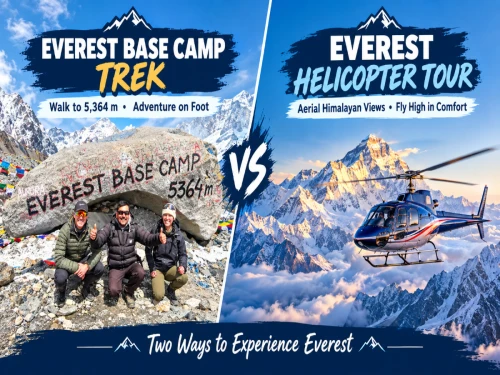
Mount Glory Treks also offers the Heli Return package in the Everest Region, which is a faster way for hikers who don't have much time or want to be more comfortable to get back to the base camp, or want to explore the whole Everest Circuit Experience. We crafted the Everest Three Passes Trek. If travelers are not physically fit but want to see Mount Everest and the surrounding Himalayas in a day, then the 1 Day Everest Base Camp helicopter Tour is the ideal plan.
If you're interested in trekking, you should book with Mount Glory Treks for professional help, safe places to stay, and a fully supported Everest trekking experience. And for those who are still deciding whether or not to go, let's talk about how hard the Gokyo Lake Trek is.
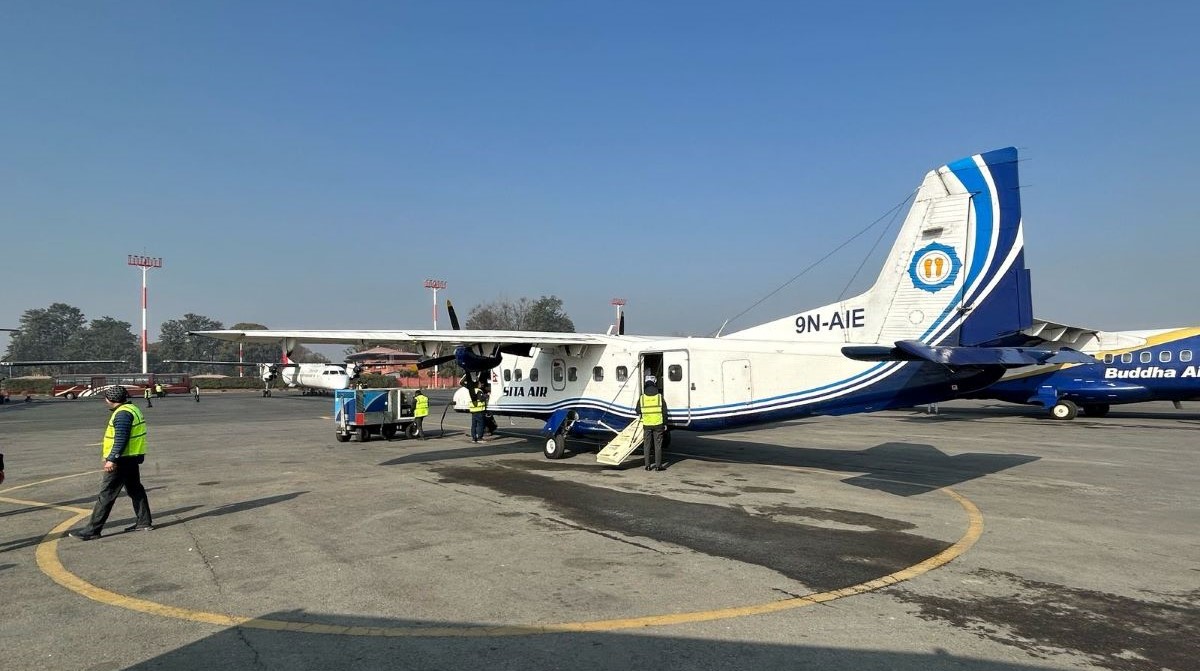
Ready to Fly Lukla During Gokyo Lake Trek:Gateway of Everest Region
Overview of Gokyo Lake Trek / Gokyo Ri Trek Difficulty
As previously stated, the difficulty level of the Gokyo Trek is moderate, but it can be challenging for beginners who have no prior high-altitude trekking experience above 3,000 metres.
The trek involves a gradual but consistent ascent into the Everest (Khumbu) region, where altitude is the most important factor influencing performance and comfort. Here are the main factors that determine the difficulty of the Gokyo Lake Trekking:
High altitude exposure: The trek reaches 5,357m at Gokyo Ri, classifying it as high-altitude trekking in Nepal, where oxygen levels drop significantly.
Long trekking hours: Expect to walk for 5-7 hours per day, with longer days during the ascent and descent phases of the Gokyo Lakes itinerary.
Steady elevation gain: The route consists of continuous uphill trekking through alpine terrain, which requires stamina and proper pace.
Altitude sickness risk: Acute Mountain Sickness (AMS) is a real possibility, especially above 4,000m, so acclimatisation days are essential.
Cold temperatures and thin air: Higher elevations have lower temperatures, stronger winds, and less oxygen, which can increase fatigue.
Remote trail conditions: The trek passes through isolated mountain villages, glacial paths, and rugged landscapes, adding to the overall difficulty.
While the Gokyo Lake Trek is not technically difficult and does not require climbing skills, the altitude, distance, and terrain make it physically and mentally challenging for many trekkers.
What Makes the Gokyo Lake Trek Difficult?
The Gokyo Lake Trek is hard, not because of the technical climbing but because of how the body reacts to the high altitude, distance, and mountain conditions. As you go higher and spend more days above 3,000–4,000 metres, the challenge gets harder.
The flight to Lukla is one of the first problems that comes up before the trek even starts. This short flight over the mountains is known for being very weather-dependent, and delays happen a lot. The airport is on a steep hill and has a short runway, which makes landing feel very intense for many first-time trekkers. Even though experienced pilots fly it, it still adds a mental challenge to the trip.
Once the trek starts, the real challenge slowly builds up as you get used to being at high altitudes. As you go deeper into the valley, you can feel the oxygen levels drop. Breathing gets heavier, walking slows down naturally, and the body starts using more energy even for short uphill sections. This is especially true after crossing Namche Bazaar and going above 4,000 metres, where altitude sickness can be a problem if you don't get used to the higher altitude properly.
The physical toll of long days of trekking is another important factor. The Gokyo route requires walking for several hours each day on uneven Himalayan terrain. There are rocky climbs, suspension bridges, forest paths, and moraine zones near glaciers on the trails. Even though none of it is technical climbing, the constant up and down movement makes the trip physically tiring over time.
Weather conditions also make things more difficult. Conditions in the Everest region can change quickly, with sunny mornings giving way to cold, windy afternoons, particularly at higher elevations. Temperatures drop dramatically at night, and cold air combined with low oxygen levels makes recovery slower and walking more exhausting the next day.
Lastly, the journey travels through isolated mountain communities with rudimentary amenities, so comfort levels are constrained. Trekkers must be self-aware of fatigue and altitude symptoms because accommodations become easier as altitude increases, and medical access is limited.
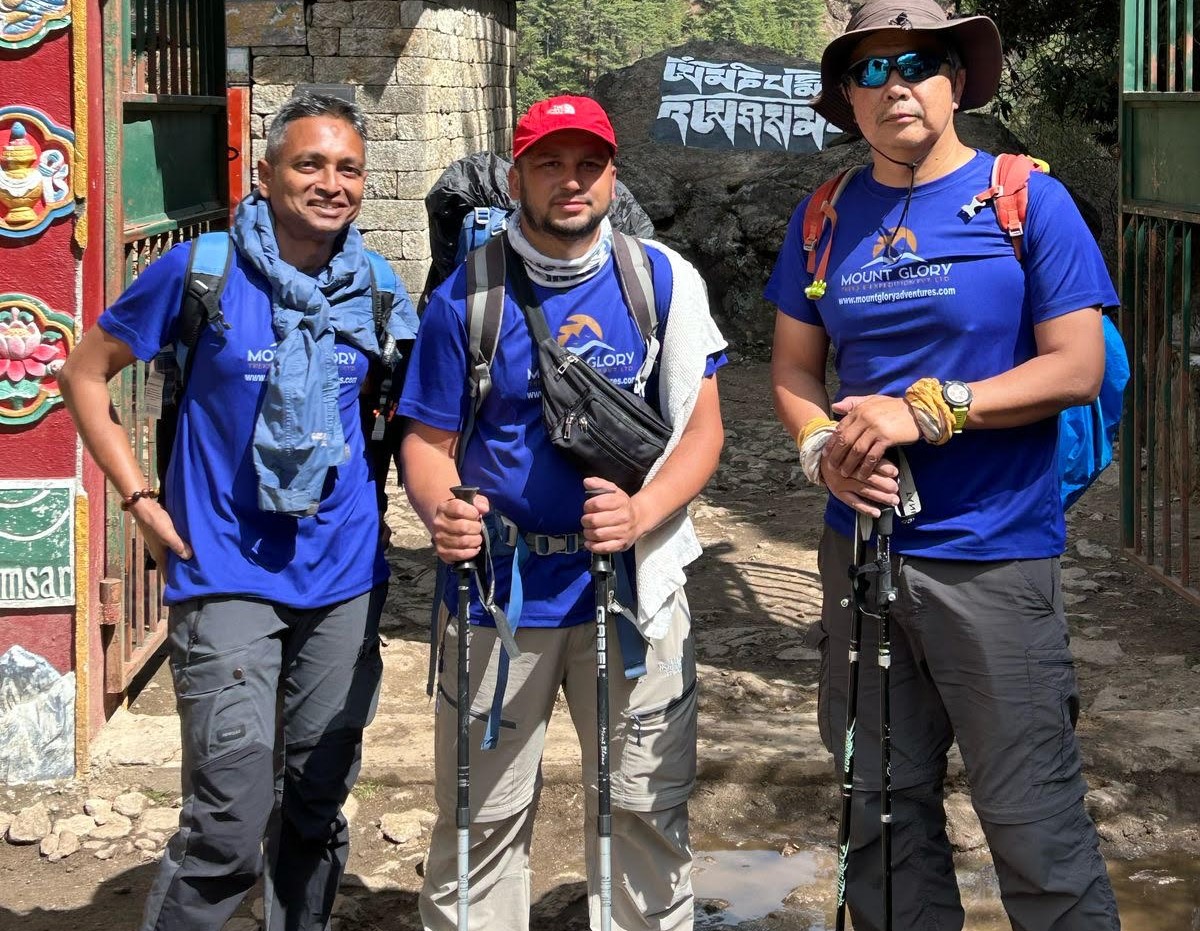
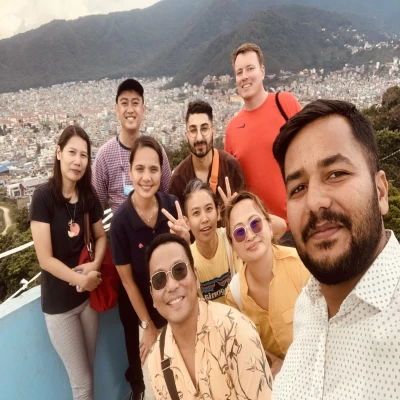
Mount Glory Treks Team are on the way to Everest Base Camp Gokyo Cho La Pass Trek
Is the Gokyo Lake Trek Suitable for Beginners?
Although it is not an entirely simple walk for beginners, the Gokyo Lake Trek in Nepal is frequently regarded as a good introduction to high-altitude trekking in the Everest region.
As long as you are physically prepared and are aware of the demands of altitude, endurance, and mountain conditions, novice hikers can finish this trek.
The trails of the Gokyo Lake are suitable for beginners in high altitude trekking, but only for those trekkers who are really willing to prepare for the trek and take this trip seriously.
As it falls under the category of moderately to challenging treks, it means that it is not definitely a casual walk or short hike, but it is also not as strenuous compared to mountain expeditions and technical treks.
What Beginners Need to Be Prepared For
Physical preparation is crucial: Walking, hiking, or cardio training for at least a few weeks helps develop the stamina needed for five to seven hours of daily trekking.
High-altitude awareness: It's critical to comprehend the dangers of Acute Mountain Sickness (AMS), particularly above 4,000 metres.
Gradual acclimatisation: In order to adapt to the low oxygen levels in the Himalayas, appropriate rest days, such as those in Namche Bazaar, are essential.
Mental preparation: The hike includes lengthy uphill portions, chilly weather, and rudimentary mountain lodging in isolated locations.
Guided trekking is advised: For safety and navigation, first-time hikers in Nepal would greatly benefit from travelling with an experienced trekking guide or local trekking agency such as Mount Glory Treks.
Best Time to Do the Gokyo Lake Trek
The Everest region's seasonal weather has a significant impact on the high-altitude trek to Gokyo Lake, and picking the ideal time for your adventure will have a direct impact on trail conditions, visibility, and overall trekking difficulty. Although the trek is feasible all year round, only a few seasons offer stable and comfortable conditions, so if this is your first time, you should definitely plan for the best time.
Spring Season (March–May) – Balanced Weather & Natural Beauty
The spring season from March to May is one of the best times for the Gokyo trek, which has generally stable weather compared to other times.
Clear Himalayan views of nearby peaks such as Everest, Cho Oyu and other surrounding peaks are available on most of the days during the itinerary. You can see the trails come to life with blooming rhododendrons and alpine plants, especially at lower elevations. The moderate temperatures make the long trekking days more comfortable than they are in the off-seasons, like monsoon and winter.
Autumn Season (September–November) – Best Overall Trekking Conditions
Most of the Himalayan treks are best done in the autumn, and Gokyo Lake is no different. The best and clearest view of the mountains in the Everest region is after the monsoon season.
Also, the dry trails and stable weather make your walk safer and more predictable. One of the best things about this time of year is that the temperatures are nice and the conditions for taking pictures are great all the way to Gokyo Lakes.
Winter Season (December–February) – Cold but Quiet Trails
It is possible to go in the winter, from December to February, but it is much harder than in the spring and autumn because it is so cold at high altitudes. The snowfall can affect the sections near Gokyo Lakes and Gokyo Ri when the temperature is below 0 degrees Celsius, so you will need the right gear. But the winter trek does give you quiet trails with few other trekkers, but you need to be ready for the cold weather.
Monsoon Season (June–August) – Least Recommended
The Gokyo Lake trek is not a good idea during the monsoon season because it rains a lot in the area. Because of the rain, the trails become slippery and more likely to have landslides, especially in the lower parts of the trip. Also, the clouds block the views of the mountains, which makes the trek less enjoyable overall. One of the hardest things is that the Lukla flights are often delayed because the weather is bad, which means you have to spend more days there.
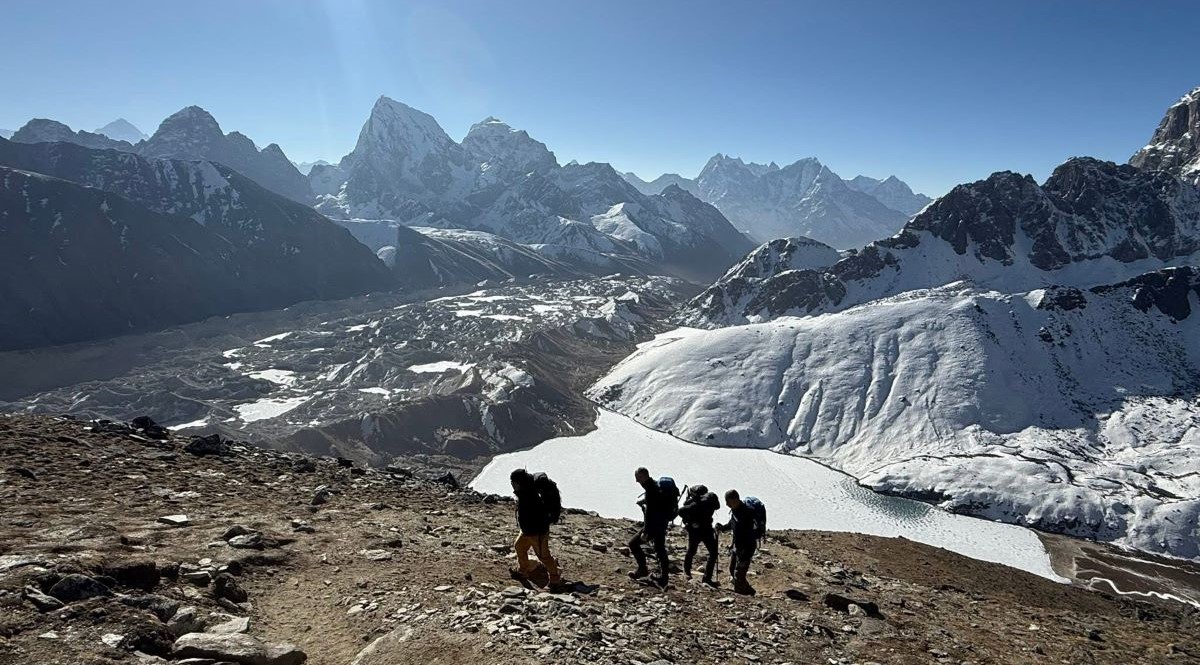
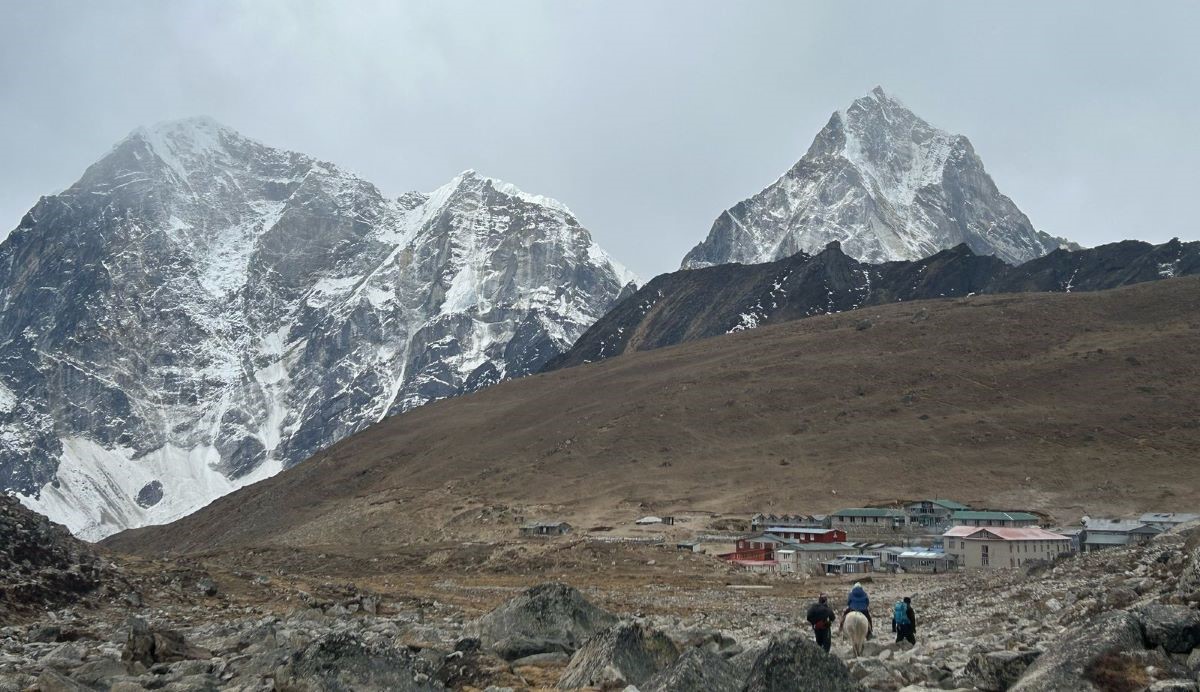
Stunning Everest Himalayan Region During the EVerest Gokyo Ri Trek in Nepal 11 Days
Final Thoughts
In short, it's a moderately difficult walk in the Everest area at a high altitude. You don't need any special skills or climbing gear, but the high altitude, long days of walking, and changing mountain conditions make it very hard.
That being said, it's very possible. Even if you've never been on a trek before, you can do the Gokyo Lakes Trek without any major problems if you plan ahead, take your time, and follow a good acclimatisation plan. The most important thing is to take your time and let your body get used to the higher altitude.
And what do you get? That's what makes this trip so special. You're not just walking to a place; you're going through quiet valleys, past glaciers, and finally reaching the beautiful Gokyo Lakes. It's hard to climb to Gokyo Ri (5,357m), but the view from the top of Everest, Cho Oyu, and the other peaks is one of the best in Nepal.
Having the right support makes a big difference if you're thinking about doing this trek. A well-planned trip with help from locals who know what they're doing can make the trip safer and a lot more fun.
You can choose from well-planned trips with Mount Glory Treks, like the Gokyo Lake Trek, the Gokyo Ri Trek or crossing the Cho La Pass, covering the Everest Base Camp at 5364m, then the Everest Base Camp with the Gokyo Lakes Trek. All of these trips are designed with proper acclimatisation and local knowledge in mind.
Frequently Asked Questions
1: Is the Gokyo Lakes Trek harder than the Everest Base Camp trek? The Gokyo Lake Trek and the Everest Base Camp Trek are both pretty similar in terms of how hard they are and how high they are. But some days Gokyo can feel a little harder, especially when you have to climb steeply to Gokyo Ri (5,357m). Gokyo is often the better choice if you want a quieter trail with fewer people, even though the physical challenge is almost the same.
2: How difficult is the Gokyo Lake Trek for beginners? The Gokyo Lake Trek for beginners is possible, but you shouldn't take it lightly. You can finish it comfortably if you do some basic cardio training, take acclimatisation seriously, and don't rush through the itinerary. Many people who walk here for the first time do well by just keeping a slow and steady pace.
3: What is the highest point of the Gokyo Trek? Gokyo Ri (5,357m) is the highest point of the trek and also the hardest part. Most of the time, the climb happens early in the morning, and the thin air makes it feel harder than it is. Taking the time to rest before this walk can make a big difference in how well you do it.
4: How many days are required for the Gokyo Ri Trekking? Depending on how well the trek is timed, most Gokyo Lake Trek itineraries last between 10 and 12 days. If you want to have a safe trip, it's always better to choose a slightly longer itinerary with proper acclimatisation than to try to finish quickly.
5: Is altitude sickness common in the Gokyo Lake Trek in Nepal? Everyone who goes on this high-altitude trek in Nepal should know about altitude sickness. Not everyone is affected in the same way, but taking steps like drinking enough water, going up slowly, and paying attention to how your body feels can greatly lower the risk.
6: Do I need prior trekking experience for the Trek to Gokyo Lake?
It helps to have some experience trekking before the Gokyo Lakes trek in Nepal, but it isn't required. Your preparation is what matters most. This walk is doable for even beginners if they build up their stamina ahead of time and follow a well-planned route with enough time to get used to the altitude.
7: How many hours do you walk each day on the Trekking? You should plan on walking for 5 to 7 hours every day, but some days may feel longer because of the altitude and trail conditions. It's not just about the distance; the gradual climbs and thinner air make each day feel more difficult than a typical walk.
8: Is the Lukla flight dangerous for the Everest Gokyo Lake Trek? The Kathmandu to Lukla flight is well-known for its short runway and mountain setting. While it may appear intense, it is generally safe and operated by experienced pilots. Weather-related delays are typically more of a concern for trekkers than safety.
9: What kind of physical fitness is required for the Gokyo Lake Hike? You don't have to be an athlete to go trekking in Nepal, but you should be reasonably fit. Building endurance before your trip by walking, hiking or stair climbing will make the journey much more enjoyable and less tiring.
10: When is the best time for the Gokyo Trekking? The best seasons for Gokyo Lake Trekking in Nepal are spring and autumn, when the weather is stable, and the mountain views are clear. Planning your trip during these seasons can greatly enhance your overall experience.
11: Is the Gokyo Ri Trek safe for solo trekkers? The trek is generally safe, but travelling alone in the Everest region necessitates careful planning. Hiring a guide or joining a trekking group can make things easier, particularly in terms of navigation, altitude monitoring, and dealing with unexpected situations.
12: Which is better: Gokyo Valley Trek or Everest Base Camp Trek? Both treks provide incredible experiences, but they cater to different preferences. The Gokyo Lake Trek is ideal if you prefer quieter trails, lakes, and glacier views, whereas the Everest Base Camp Trek is more iconic and social. There isn't much difference in difficulty, so your choice should be based on the type of experience you want.
Born and raised in the Mountainous village of Gorkha Nepal. Mr. Pandey is a successful tour leader and a very active social worker contributing a lot to the welfare of society. Mr, Pandey belongs to a very humble background and has started his career as a junior staff in a much-reputed company in Nepal. Mr. Pandey's family background is engaged in the tourism sector for an extended period. After spending many years in research and the drawbacks of tourism development.
Due to his great passion and enthusiasm for the trekking and tourism sector, he started his tour career with many expert teams. He intends to bring revolution to the tourism sector by offering luxurious services and accommodations to travelers at a minimum price. With the Motto of Travellers, satisfaction is my passion. He has been helping many travelers with traveling.

 based on 228 reviews