Overall Cost Breakdown for the ABC Trek
Before delving into the specific cost breakdown of the Annapurna trek, let's examine what can vary significantly based on how independently you travel and the degree of comfort you select.
We have gathered all of the experiences, from luxury to independent ABC trekking, and provided you with clear information about them thanks to our team of experienced guides and staff.
When everything is taken into account, travellers typically spend between USD 600 and USD 3000+ on everything from basic self-guided excursions to luxurious, fully supported treks.
Additionally, a low-budget trek falls closer to the lower end of this range and is appropriate for hikers who independently arrange for permits, transportation, lodging, and food.
In contrast, the majority of trekkers choose the standard trekking style, which is in the middle and may also be the best option, in my opinion. The costs include a licensed guide, shared transportation, organised logistics, and consistent daily support, which are all of the things you would need in this Annapurna journey.
Compared to these, the premium or comfort trek is on the higher end of the scale, with top-tier guides and porters, private vehicles, luxury accommodations, flight transportation and even helicopter return, as well as full handling by a professional trekking company.
For your information, even within the same trekking style, the travel company, the season, the group size, and the route conditions can all have a significant impact on the final cost of the ABC journey.
Understanding this broad cost range enables travellers to set realistic expectations before delving into the specific breakdown of individual expenses such as permits, guides, meals, and transportation.
Annapurna Base Camp Trek Cost with a Local Travel Agency
The most affordable and comfortable way to experience the Annapurna region trail while guaranteeing support and safety during the journey is to book the ABC trek with a local Nepali trekking company.
Prices for standard local trekking packages typically range from USD 700 to USD 1,000 per person, depending on the season, group size, and included services, whereas Mount Glory Treks offers the Standard Annapurna Base Camp Trek for USD 750 per person, which can be reduced to USD 550 if more than 10 people are in a group.
The majority of packages from local travel companies include permits, a licensed guide, a porter, lodging, three meals and all transportation during the trek.
Because they are professional, local, and use local porters and guides, working with local agencies is generally regarded as the best option for any type of adventure. Additionally, most local travel agencies are headquartered in Kathmandu, the country's capital, and are fully registered with the Nepalese government.
Local companies often offer flexibility, allowing trekkers to change their itinerary, upgrade their accommodations, or include additional services such as private guides or porter support.
Additionally, Mount Glory Treks may be the best choice for you if you intend to trek with a local travel company because it is a reputable and trustworthy travel company with over ten years of experience and a track record of more than a thousand successful adventures.
Before and during your trek to Annapurna Base Camp, we provide affordable, clear packages, knowledgeable Sherpa guides and staff, high-quality gear, cosy lodging, nutritious meals, and complete support.
We guarantee a safe, easy, and remarkable trekking experience with secure online booking, personalised itineraries, and round-the-clock support.
ABC Trek Cost with International Operator
Even the typical ABC Trekking package costs between USD 1,200 and USD 2,500 per person when booking with an international company.
Similar to the other company, these packages frequently include all permits, transportation, flights, a licensed guide, porter services, prearranged lodging, most meals, and occasionally insurance.
They are perfect for tourists looking for a more hands-off and well-planned trekking experience because of their higher price, which reflects global service standards, overhead costs, international marketing, and additional convenience.
For first-time hikers or those who want help at every stage, such as advice on travel insurance, acclimatisation tips, and personalised itineraries, selecting an international company can be alluring.
Detailed Cost Breakdown of the Annapurna Base Camp Trek
Accommodation Cost
Basic teahouse rooms in lower villages along the ABC route, like Tikhedhunga and Chomrong, usually cost between USD 8 and USD 15 per night for a standard double room with shared amenities.
Additionally, because there are fewer lodging options and higher operating costs, room rates typically increase to USD 10–20 per night as you ascend and approach locations like Sinuwa, Bamboo, Deurali, and Machapuchhre Base Camp.
Rooms at the highest teahouse stops close to Annapurna Base Camp can cost between $15 and $30 per night, and they might not be available during the busiest times of the year.
Hot showers, device charging, and Wi-Fi or internet services are usually not included in the basic room rate or the standard package, and most teahouses charge extra for these services.
Meal Cost
Teahouses along the ABC Hike typically charge between $3 and $5 for breakfast, which can include porridge, eggs, toast, pancakes or regional bread.
Since food must be transported from lower regions, lunch and dinner costs range from USD 5–10 in lower villages to USD 7–15 at higher-altitude stops.
Dal bhat (rice and lentils), noodles, soups, momos, vegetables, and eggs are typical meals that supply sufficient energy for hiking. Bottled water, tea, coffee, and snacks are extra and usually cost between $1 and $3 each.
Depending on altitude, menu selections, and individual appetite, trekkers should budget between $10 and $30 per day for food. The majority of packages include three meals per day, but they do not include drinks or snacks for the trip.
Guide Cost
Hiring a licensed local trek guide for this trek typically costs between $25 and $35 per day for a private guide. Through villages, trails, and teahouses, a guide guarantees safety, appropriate acclimatisation, local knowledge, and easy navigation.
Group treks are often less expensive per person, costing around USD 15-20 per day, because one guide can assist multiple trekkers.
While a shared group guide is more affordable but less customised, a private guide offers individualised attention, flexible scheduling, and the option to set your own pace.
Furthermore, guides often assist with lodging, permits, and local translations, all of which can significantly enhance your trekking experience.
Porter Cost
Depending on the season, hiring a porter will cost you between $15 and $25 per day. A porter can typically carry up to 15 to 25 kg of load per person, and load sharing can make group treks more economical and effective.
Having a porter by your side will make it easier for you to enjoy the scenery, take pictures, and walk more comfortably on the isolated Annapurna trails. This is especially true on the steep or high-altitude sections.
By hiring local porters, you can give back to the people who live along the trekking routes and support the Nepali economy and communities.
Transportation Cost
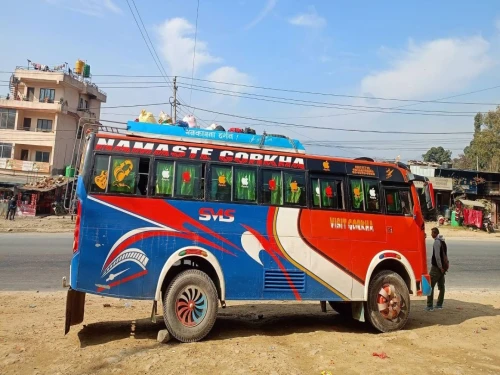
From Kathmandu, visitors can travel to Pokhara by local bus, tourist bus, or private vehicle. Local buses cost between USD 8 and 15, tourist buses cost between USD 20 and 25, and private cars or jeeps cost between USD 120 and 150.
A quicker and more picturesque option, domestic flights between Kathmandu and Pokhara usually cost between USD 90 and USD 150 one way, depending on the airline and season.
Short jeep transfers to trailheads like Nayapul or Kimche are necessary for some trekking routes; these transfers typically cost USD 5–10 per person for shared vehicles or USD 30–50 for private jeeps.
Permit Cost
An Annapurna Conservation Area Permit (ACAP), which costs about USD 30 per person for foreigners, is necessary for trekking in the Annapurna region.
Additionally required is a Trekking Information Management System (TIMS) card, which costs about USD 20 for individual hikers.
Before beginning the trek, permits can be obtained in Pokhara or at the Trekking Agencies Association of Nepal office in Kathmandu.
The permit application is typically handled on your behalf by guides and trekking companies, guaranteeing a simple and easy procedure. These permits support local communities, trails, and teahouses while also aiding in the conservation of the Annapurna region.
Equipment and Gear Cost
Trekkers can rent gear in Kathmandu or Pokhara for between USD 5-10 per day for sleeping bags, USD 3-5 per day for trekking poles, and USD 2-4 per day for down jackets or duffel bags.
Basic trekking boots cost between USD 50 and USD 120, jackets between USD 60 and USD 150, and backpacks between USD 40 and USD 100, but they provide long-term use for subsequent treks, even though purchasing equipment can be more expensive up front.
Hiking boots, trekking poles, thermal layers, rain jackets, sleeping bags, and insulated water bottles are essential items that affect your budget.
While purchasing is preferable for frequent hikers or those looking for greater comfort and dependability, renting is best for travellers on a tight budget or for those taking sporadic hikes.
Travel Insurance Cost
Due to the dangers of high-altitude trekking, weather fluctuations, and remote locations, travel insurance is strongly advised and practically required for the Annapurna Base Camp Trek.
To guarantee a safe and stress-free journey, insurance should cover medical emergencies, evacuation, trip cancellation, and lost or stolen property.
Depending on coverage, age, and pre-existing conditions, comprehensive travel insurance typically costs between USD 50 and USD 150 for a 10-15 day hike.
Nepal Visa Cost
To enter Nepal, the majority of foreign visitors need a tourist visa, which can be obtained online in advance or upon arrival at Tribhuvan International Airport in Kathmandu.
The cost of a visa is determined by the length of stay: USD 30 for 15 days, USD 50 for 30 days, and USD 125 for 90 days.
A completed application form, a recent passport-size photo, and a passport that is valid for at least six months from the date of entry are all necessary. For convenience, many hikers would rather apply when they arrive, but applying online ahead of time can save time and prevent lines.
Trekking packages do not include visa fees, which should be budgeted for separately.
Extra Expenses
Hot Showers: At higher-altitude stops, the majority of teahouses charge between $2 and $4 per shower. It's advisable to have some cash for a warm shower, particularly after a strenuous trekking day.
Device Charging and Wi-Fi: The cost of charging your phone or camera is usually between $1 and $3 per session, and the cost of Wi-Fi is comparable. It's wise to budget appropriately because not all teahouses offer these services.
Bottled Water, Snacks, and Drinks: Water is available, but depending on altitude and availability, purchasing bottled water, tea, coffee, soft drinks, or snacks can cost between $1 and $3 per item.
Souvenirs and Local Purchases: Along the journey, one may buy small handicrafts, regional snacks, or cultural items. Your personal preferences will determine your budget, but it's a good idea to budget for mementos.
Tips: It is customary to leave tips for porters and guides. Trekkers typically pay porters USD 3–5 per day and guides USD 5–10 per day in recognition of their hard work and assistance, particularly on difficult high-altitude sections.
In Conclusion
Trekkers can make more practical plans and steer clear of unforeseen financial surprises by being aware of the costs of lodging, meals, guides, porters, permits, equipment, transportation, insurance, and other expenses.
Knowing the total cost enables you to make decisions based on your preferences and level of fitness while selecting the best trekking style, whether it be standard, budget, or comfortable.
Depending on your time, interests, and budget, you can customise the Annapurna Base Camp trek with options like Poon Hill and Ghorepani, Tilicho Lake, Mardi Himal, or shorter/longer itineraries.
In order to make your trip easy and unforgettable, we offer fully customised ABC treks with professional guidance, secure and comfortable accommodations, and local knowledge.
Because of our knowledgeable guides, open pricing, focus on safety, and capacity to customise itineraries, tourists regularly select Mount Glory Treks for the Annapurna Base Camp trek.
You can enjoy the breathtaking Himalayan landscapes without worrying about logistics or unstated fees if you plan ahead and make your reservation with a reputable company.
Frequently Asked Questions
1: What is the best time to do the Annapurna Base Camp Trek?
Pre-monsoon (March–May) and post-monsoon (September–November) seasons are ideal for the ABC trek. Trails are safer, temperatures are moderate, and views of the Himalayas are clear during these months. During the monsoon, hikers may encounter slick roads and dim lighting.
2: How difficult is the Annapurna Base Camp Trek?
The trek is rated moderate to difficult. The walk is rated as moderate to challenging. The trip can be made more pleasurable with careful planning, pacing, and acclimatisation.
3: Do I need a trekking guide for Annapurna Base Camp?
A trekking guide can enhance safety, assist with navigation, permits, and local interactions, and offer insights into the environment and culture, even though the trail is usually well-marked. First-time hikers and beginners frequently gain the most from a guide.
4: What permits are required for the ABC trek?
Both a TIMS card and an Annapurna Conservation Area Permit (ACAP) are required for trekkers. For individual hikers, the TIMS card costs about USD 20, and the ACAP costs about USD 30. Before the trek, permits can be obtained in Kathmandu or Pokhara.
5: How much does the Annapurna Base Camp Trek cost?
Depending on the type of trekking, the price can range from $500 to $800 for a budget trek, $1000 to $2000 for a standard package, and $2500 to $5000 for a comfort or private trek. Accommodations, meals, a guide or porter, permits, and transportation are typically included in the price; however, extras like snacks or hot showers are not.
6: What kind of accommodation is available on the trek?
The majority of lodging is in teahouses; rooms in lower villages cost between $5 and $10, while rooms in higher altitudes cost between $10 and $20. Wi-Fi, charging devices, and hot showers are extra fees at some teahouses. Teahouses provide a comfortable local experience.
7: What should I pack for the Annapurna Base Camp Trek?
Trekking boots, warm layers, a rain jacket, trekking poles, a sleeping bag, a water bottle, a hat, and sunscreen are all necessities. In Pokhara or Kathmandu, renting equipment is an affordable choice. At high altitudes, proper packing guarantees both comfort and safety.
8: Is altitude sickness a concern on the ABC trek?
Yes, acute mountain sickness (AMS) is possible because the trek reaches 4,130 metres at Annapurna Base Camp. Symptoms can be avoided with gradual ascent, appropriate acclimatisation, drinking plenty of water, and abstaining from alcohol. Trekkers should exercise caution and take days off if necessary.
9: Can the ABC trek be customised with other treks?
It is possible to combine the ABC trek with shorter side trips, such as Poon Hill, Ghorepani, Tilicho Lake, and Mardi Himal. Trekkers can modify the length, difficulty, and scenic highlights according to their own preferences thanks to customisation.
10: Do I need travel insurance for the Annapurna Base Camp Trek?
Yes, it is highly advised to have comprehensive travel insurance. Medical emergencies, evacuation, trip cancellation, and misplaced property should all be covered. In remote locations and at high altitudes, this guarantees peace of mind.

 based on 228 reviews