The Manaslu Circuit Trek in Nepal is one of the few Himalayan trekking routes where the journey still feels as important as the destination. While routes such as Everest Base Camp and the Annapurna Circuit are well-known worldwide, Manaslu provides trekkers with a unique experience, shaped by remote mountain villages, Tibetan-influenced culture, dramatic landscapes, and a trail that still feels connected to traditional Himalayan life.
What I find most interesting about the Manaslu region is how naturally everything changes as you move higher. The trek does not immediately surround you with massive mountains from the first day.
Instead, it slowly takes you through the Budhi Gandaki Valley, where forests, rivers, suspension bridges, and villages gradually transform into high Himalayan landscapes. This slow transition is one of the reasons many trekkers remember Manaslu as more than just another mountain trek.
The route circles Mount Manaslu (8,163 m), the eighth-highest mountain in the world, and crosses the challenging Larke Pass (5,106 m). But the attraction of this trek is not only the mountain itself. The villages, monasteries, local traditions, and the feeling of being away from crowded trekking trails are equally important parts of the experience.
While researching and helping trekkers understand Nepal's trekking routes, one thing becomes clear about Manaslu: many people underestimate it because they hear it described as a quieter alternative to Everest or Annapurna. Quieter does not mean easier. The region is remote, the facilities are more basic compared to popular routes, and proper planning is important, especially because of the altitude and restricted area regulations.
Another common question today is whether the Manaslu Circuit Trek can be done solo. Although updated regulations have made it easier for individual travelers to plan the trek, Manaslu remains a restricted trekking region. Foreign trekkers still require the necessary permits and must trek with a licensed guide through a registered trekking agency.
This complete Manaslu Circuit Trek Guide covers everything you need to know before planning your journey, including the route, difficulty, permits, best season, accommodation, cost, preparation, and practical advice to help you understand what this trek is really like.
The Manaslu Circuit Trek is a high-altitude teahouse trek that circles Mount Manaslu, taking trekkers through the remote Budhi Gandaki Valley before crossing Larke Pass 5106m, one of the highest and most rewarding mountain passes in Nepal.
Unlike destination-focused treks such as Everest Base Camp, the Manaslu Circuit is a continuous journey where the scenery changes almost every day. You begin in subtropical river valleys, pass through dense forests, cross countless suspension bridges, enter Tibetan-influenced mountain villages, and eventually reach glacial landscapes above 5,000 meters before descending into the Annapurna region.
One of the things that makes the trek memorable is how gradually the landscape changes. During the first few days, it can be warm enough to walk in a light trekking shirt. Less than a week later, you're surrounded by yak pastures, stone-built villages, prayer flags, and snow-covered peaks. It never feels like a sudden transition; instead, the mountains slowly reveal themselves as you gain altitude.
Although the circuit has become more popular in recent years, it still receives far fewer trekkers than Nepal's classic Everest and Annapurna routes. That means quieter trails, smaller villages, and a trekking experience that often feels more personal.
Today, the Manaslu Circuit Trek in Nepal is considered one of the country's finest long-distance treks because it combines spectacular Himalayan scenery with living culture, rather than relying on a single destination or viewpoint.
Manaslu Circuit Trek at a Glance
Region: Gorkha District, north-central Nepal
Highest Point: Larke Pass (5,106 m)
Mountain: Mount Manaslu (8,163 m)
Typical Duration: 12–16 days
Difficulty: Moderate to challenging
Accommodation: Local teahouses
Best Seasons: Spring (March–May) and Autumn (September–November)
Required Permits: Manaslu Restricted Area Permit (MRAP), Manaslu Conservation Area Permit (MCAP), and Annapurna Conservation Area Permit (ACAP)
Guide Requirement: A licensed guide remains mandatory under current regulations.
Many trekkers compare Manaslu with the Annapurna Circuit because both involve crossing a high Himalayan pass. While there are similarities, the overall experience is quite different. The Manaslu Circuit remains more remote, more culturally traditional, and less commercialized, making it especially appealing to those looking for a quieter trekking experience.
Where Is the Manaslu Circuit Trek Located?
The Manaslu Circuit Trek is located in the Gorkha District of north-central Nepal, close to the Tibetan border. The trail follows the Budhi Gandaki River through the Manaslu Conservation Area, eventually crossing Larke Pass before descending into the Annapurna region at Dharapani.
Because of its location, the region has long been influenced by both Nepali and Tibetan cultures. As you gain altitude, you'll notice this influence becoming stronger not only in the architecture and monasteries but also in the language, food, traditions, and daily life of the local communities.
The trek circles the Manaslu Massif, dominated by Mount Manaslu, whose name comes from the Sanskrit word "manasa," meaning "mountain of the spirit." Rising to 8,163 meters, it is the eighth-highest mountain in the world and one of Nepal's most impressive Himalayan peaks.
Much of the route lies within the Manaslu Conservation Area, a protected region established to conserve the area's biodiversity, wildlife, forests, and traditional mountain culture. The conservation area is home to Himalayan tahr, blue sheep, musk deer, Himalayan monal, and the elusive snow leopard, although sightings of the latter remain exceptionally rare.
The location also explains why Manaslu has different regulations from many other trekking regions. Its proximity to the international border and its ecological and cultural significance are among the reasons why it continues to be managed as a restricted trekking area.
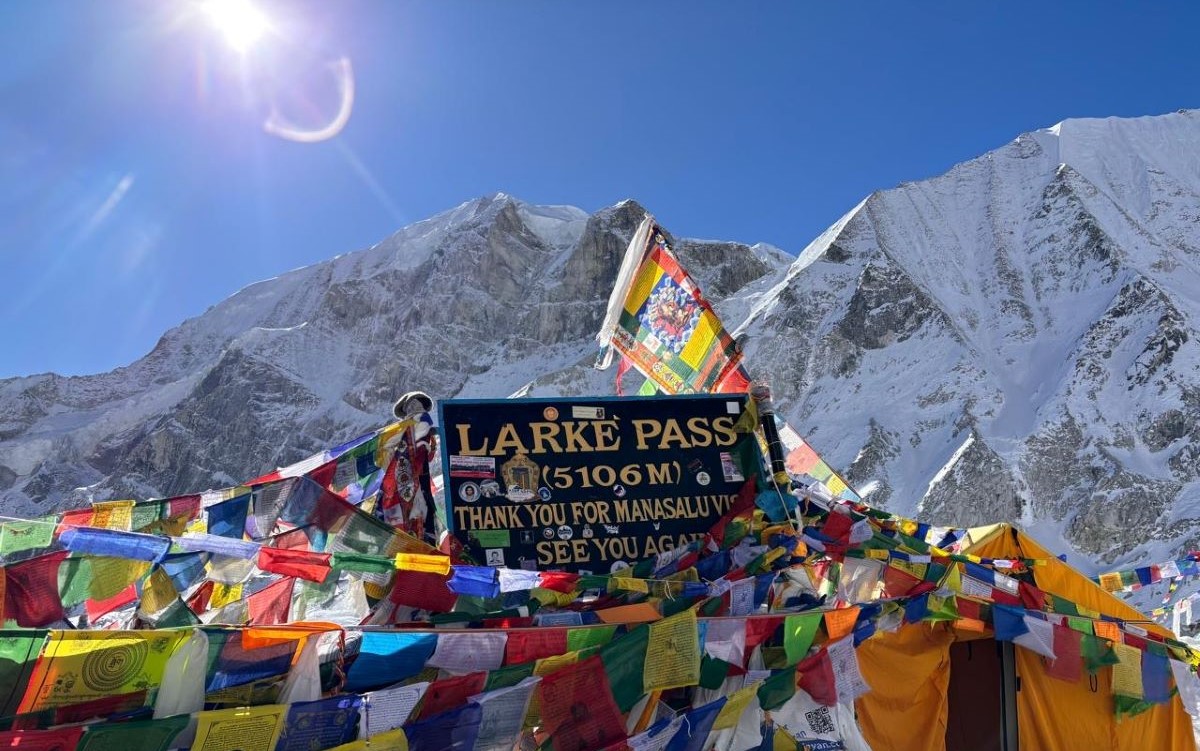
Ultimate Goal During Manaslu Circuit Trek : Larke La Pass 5106m
A Brief History of the Manaslu Circuit Trek
Long before trekking became popular, the valleys surrounding Mount Manaslu were important trade routes connecting Nepal with Tibet. Local communities moved salt, wool, grain, and other goods across the mountains, while monasteries helped preserve Tibetan Buddhist traditions that remain deeply rooted in the region today.
Although Mount Manaslu was first climbed in 1956 by a Japanese expedition led by Toshio Imanishi and Gyalzen Norbu, the surrounding region remained largely closed to international trekkers for many years. The Nepalese government eventually opened the Manaslu region to controlled tourism in 1991, allowing visitors while introducing regulations to protect local culture and the fragile Himalayan environment.
Those conservation efforts continue today. Trekking in Manaslu remains carefully managed through permit systems, conservation fees, and mandatory licensed guides. While these regulations require a little more planning than some other trekking routes, they have also helped preserve much of what makes the region unique.
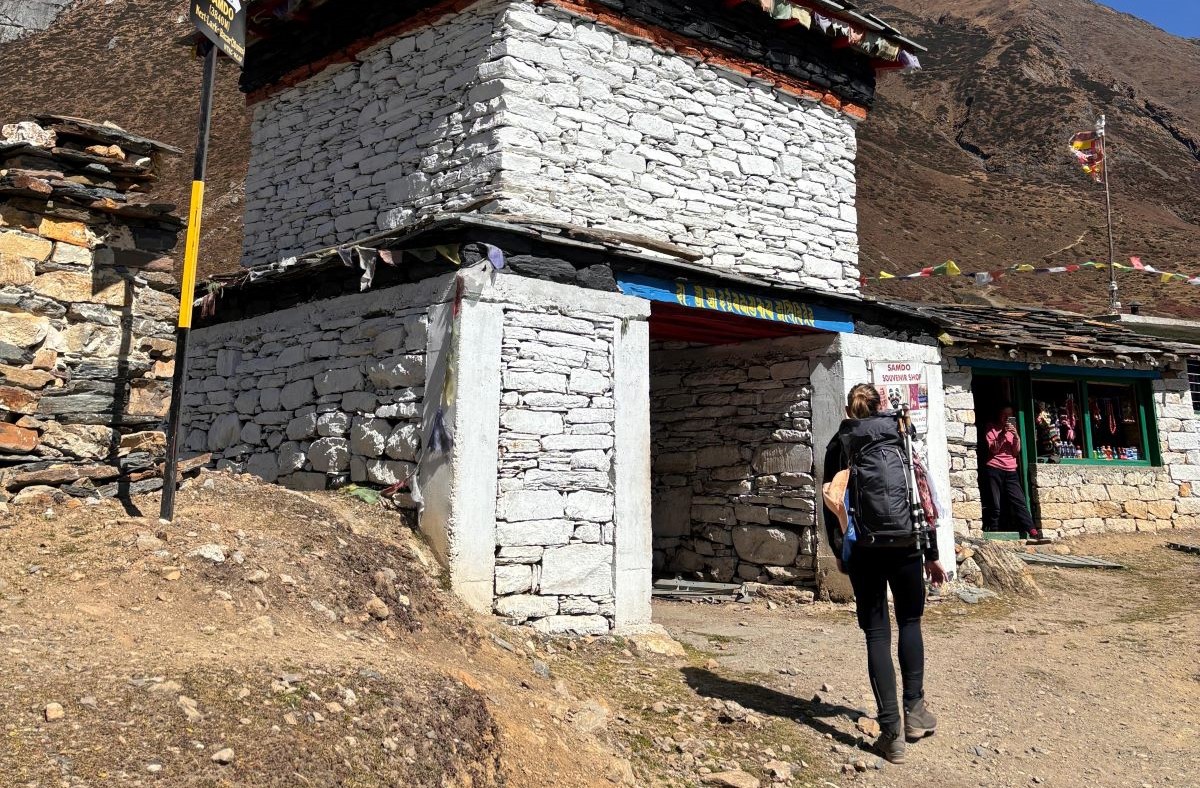
Walking through villages such as Namrung, Lho, Samagaon, and Samdo, it becomes clear that the Manaslu Circuit is more than just a mountain trail. It is a journey through communities where traditional lifestyles, Buddhist heritage, and Himalayan landscapes still exist side by side, giving the trek a character that is increasingly difficult to find elsewhere in Nepal.
Why Choose the Manaslu Circuit Trek?
Choosing a trekking route in Nepal is not only about finding the highest mountain views or the most famous destination. After looking at different trekking experiences, one thing becomes clear: people choose the Manaslu Circuit Trek because of the balance it offers.
It combines dramatic Himalayan scenery, authentic mountain culture, fewer crowds, and the feeling of exploring a region that has not been heavily changed by tourism.
Many trekkers who come to Nepal for a second or third Himalayan adventure often look beyond Everest Base Camp and Annapurna. They are usually searching for something quieter and more immersive, and this is where Manaslu stands out.
A Less Crowded Himalayan Experience
One of the biggest reasons trekkers choose Manaslu is the peaceful atmosphere of the trail.
Compared to popular routes like Everest Base Camp, where busy seasons can bring large numbers of trekkers onto the same path, Manaslu still feels more personal. You can spend long sections of the trail walking through forests, valleys, and mountain landscapes without constantly being surrounded by large groups.
However, it is important to understand that "less crowded" does not mean completely empty. Manaslu has become more popular in recent years, especially among experienced trekkers who want a more authentic Nepal trekking experience. The difference is that the scale of tourism remains smaller, allowing villages and trails to maintain their original character.
For many trekkers, this slower pace is exactly what makes the journey enjoyable.
Authentic Himalayan Culture and Local Villages
One of the strongest aspects of the Manaslu Circuit Trek Nepal is the cultural experience along the route.
The trek passes through villages where daily life is still closely connected with the mountains. As you move higher, the influence of Tibetan Buddhism becomes stronger, visible through monasteries, mani walls, prayer flags, and traditional architecture.
The villages are not simply stops for accommodation; they are living communities.
Places like Lho, Samagaon, and Samdo give trekkers a chance to understand the lifestyle of people living in high Himalayan regions. The stone houses, farming practices, local traditions, and religious customs provide a deeper connection with the region than just photographing the mountains.
Many trekkers remember these cultural interactions as much as the mountain views because they create a feeling of travelling through a real Himalayan community rather than a developed tourist destination.
Incredible Mountain Scenery Without the Crowds of Everest
The main attraction of the Manaslu region is, of course, the mountain landscape.
Throughout the trek, you are surrounded by views of Himalayan peaks, including Manaslu, Himalchuli, Ngadi Chuli, Ganesh Himal, and other surrounding mountains.
What makes the scenery special is the way it changes throughout the trek. The lower sections are dominated by rivers, forests, and green hills, while the upper sections become increasingly alpine, with glaciers, snow-covered peaks, and wide Himalayan valleys.
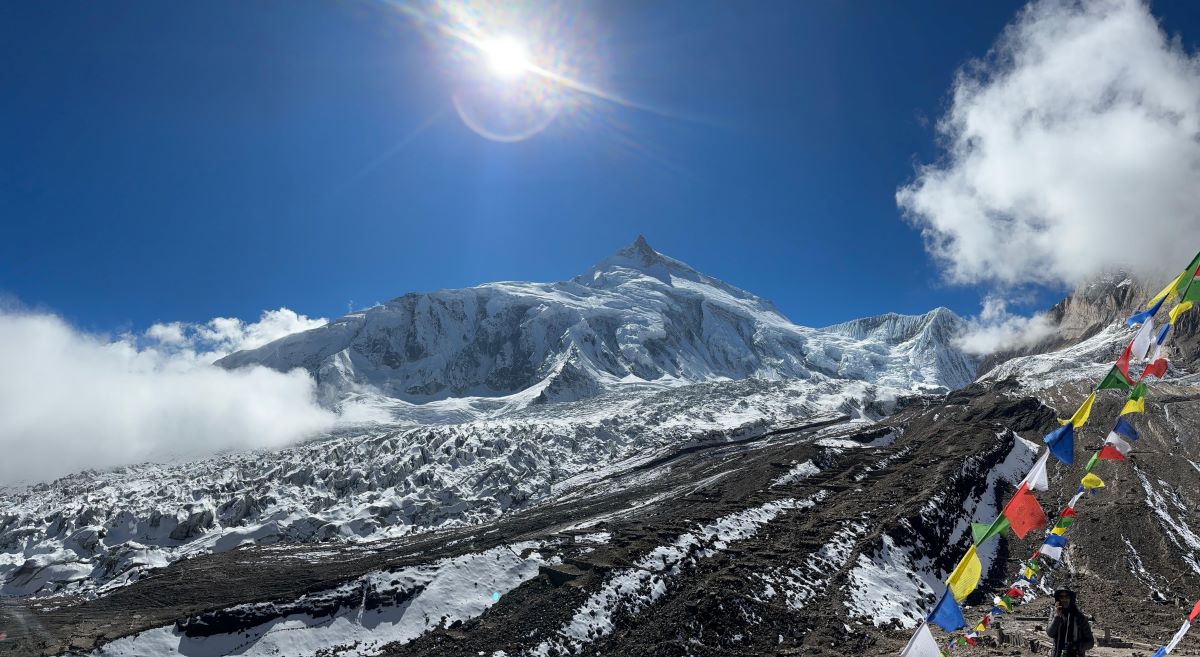
The approach toward Samagaon is especially memorable because the Manaslu massif gradually becomes more dominant. The mountain does not appear all at once; instead, it slowly becomes part of your daily surroundings.
This gradual reveal is one of the reasons many trekkers find Manaslu more rewarding than routes where the main viewpoint is the only major highlight.
A Challenging Trek That Feels Rewarding
The Manaslu Circuit Trek is not the easiest trekking route in Nepal, and that is part of its appeal.
Crossing Larke Pass at 5,106 meters requires preparation, good pacing, and awareness of altitude. The walking days can be long, especially during the pass crossing, but the challenge creates a stronger sense of achievement.
A common mistake is comparing Manaslu only by difficulty. The route is not difficult because of technical climbing; it is challenging because of altitude, remote conditions, and the physical demand of walking for many days.
With proper preparation, acclimatization, and a realistic itinerary, many trekkers with good fitness can successfully complete the circuit.
A Perfect Choice for Trekkers Seeking Something Different
The Manaslu Circuit is often chosen by people who want more than just ticking off a famous trekking destination.
They want:
A quieter trail.
More interaction with local communities.
A route with cultural depth.
A real Himalayan adventure.
A trek where the journey matters as much as the destination.
That is why Manaslu continues to attract experienced trekkers from around the world.
It does not try to compete with Everest Base Camp or Annapurna Circuit. Each route has its own identity. Everest offers the legendary Everest experience, Annapurna offers incredible diversity and accessibility, while Manaslu offers a combination of remoteness, culture, and adventure that is becoming increasingly rare.
Highlights of the Manaslu Circuit Trek
The Manaslu Circuit Trek is filled with memorable moments, but some sections and experiences stand out more than others.
Walking Through the Budhi Gandaki Valley
The journey begins by following the Budhi Gandaki River, one of the most scenic parts of the route.
The early days of trekking involve crossing suspension bridges, passing waterfalls, walking through forests, and moving through traditional villages. Many trekkers underestimate this section because the highest mountains are not always visible, but this valley forms the foundation of the entire journey.
It is where you gradually leave behind the busy lower regions of Nepal and enter the remote Himalayan environment.
Exploring Traditional Villages
The villages along the Manaslu route are among the biggest highlights of the trek.
Each village has its own character, but the higher settlements especially show the strong Tibetan influence of the region.
Highlights include:
Lho: Known for impressive views of Manaslu and the famous Ribum Monastery.
Samagaon: The cultural and acclimatization centre of the trek, located beneath the Manaslu massif.
Samdo: A traditional village near the Tibetan border with a strong mountain atmosphere.
Spending time in these villages gives trekkers a better understanding of how people live in high-altitude Himalayan communities.
Samagaon and the Manaslu Viewpoint
Samagaon is often considered one of the most memorable stops on the trek.
Many itineraries include an acclimatization day here, and it is worth using that time properly. Instead of treating it as a rest day only, trekkers can explore nearby areas such as Birendra Lake or Pungyen Gompa.
The views of Manaslu from this area are among the best on the entire circuit.
Crossing Larke Pass (5,106 m)
The crossing of Larke Pass is the biggest physical challenge and one of the greatest achievements of the trek.
The day usually begins early because weather conditions are generally more stable in the morning. The route involves walking across high-altitude terrain with views of glaciers and surrounding Himalayan peaks.
Reaching the top of Larke Pass is not just about the altitude. It represents the completion of days of preparation, walking, and adapting to the mountain environment.
Experiencing the Manaslu Conservation Area
The entire trek takes place within the Manaslu Conservation Area, which protects the region’s unique environment and biodiversity.
The combination of protected landscapes, traditional communities, and limited development is one of the reasons the Manaslu region remains special.
Manaslu Circuit Trek Route Overview
From Soti Khola to Larke Pass and Beyond
Understanding the route is one of the most important parts of planning the Manaslu Circuit Trek in Nepal because the experience changes significantly from one section to another. Unlike some shorter Himalayan treks, where the scenery is relatively consistent throughout, Manaslu takes you through a variety of environments, from lower river valleys and tropical forests to high mountain landscapes above 5,000 meters.
The classic Manaslu Circuit Trek begins from the lower Gorkha region and gradually follows the Budhi Gandaki Valley toward the Tibetan border before crossing Larke Pass (5,106 m) and descending toward the Annapurna region.
The exact starting point has changed over the years because of road development. Many traditional itineraries began from Soti Khola, while some trekkers now start from Machha Khola to avoid longer road sections. The choice depends on the itinerary, road conditions, and how much walking time you prefer.
Manaslu's lower sections are more than just a way to get to the mountains; they are part of the experience. The gradual journey through villages, rivers, forests, and changing landscapes is what gives this trek its unique character.
Machha Khola to Jagat: Entering the Manaslu Region
The trek officially begins by following the Budhi Gandaki River through the lower sections of the Manaslu region.
The first few days involve a combination of forest trails, suspension bridges, rocky paths, and traditional villages. Compared to the higher sections, the landscape here is greener and warmer, with terraced fields and subtropical vegetation.
Many trekkers are surprised by this part of the route because they expect the Manaslu mountains to appear immediately. However, the beauty of this section is the gradual transition. You slowly leave behind the busy road networks and enter a quieter Himalayan environment.
Villages such as Khorlabesi, Tatopani, Dobhan, and Jagat represent the early stages of the journey. Jagat is especially important because it marks the entry into the restricted Manaslu region, where permits are checked before continuing further.
The trail around this section also gives trekkers their first experience of the dramatic Budhi Gandaki gorge, with steep cliffs, waterfalls, and narrow sections carved through the valley.
Jagat to Namrung: The Landscape Begins to Change
After Jagat, the trail gradually starts gaining altitude, and the character of the trek begins to change.
The route passes through villages such as Deng, Namrung, and Ghap, where the surroundings become more mountainous, and the influence of Tibetan culture becomes increasingly visible.
This is also where trekkers usually begin noticing the difference between Manaslu and many other trekking routes. The villages are smaller, the trails feel quieter, and daily life remains closely connected to the mountains.
Namrung is an important stop because it is one of the first places where trekkers get a stronger feeling that they have entered the high Himalayan region. The views become more impressive, and the landscape starts opening up.
Namrung to Samagaon: The Most Scenic Section of the Trek
For many trekkers, the section between Namrung and Samagaon is one of the highlights of the entire Manaslu Circuit.
The trail passes through beautiful villages, including Lho, which is famous for its views of Manaslu and the impressive Ribum Monastery.
As you approach Lho and continue toward Samagaon, the mountains become increasingly dominant. Peaks that were previously distant gradually become part of your everyday surroundings.
This section also introduces trekkers to the unique Tibetan-influenced culture of the region. Prayer flags, mani walls, monasteries, and traditional stone houses become common features along the trail.
Arriving at Samagaon (around 3,500 m) is an important moment in the trek. Many itineraries include an acclimatization day here, and it is one of the most valuable stops on the route.
Rather than treating Samagaon as just a place to rest, trekkers can explore nearby areas such as
Birendra Lake
Pungyen Gompa
Local villages and surrounding viewpoints
The extra time also helps the body adjust before moving toward higher elevations.
Samagaon to Samdo: Moving Toward the High Himalayas
Leaving Samagaon, the landscape becomes increasingly barren and alpine.
The route continues toward Samdo, one of the highest settlements on the Manaslu Circuit. Samdo is located close to the Tibetan border and has a strong connection with traditional mountain trade routes.
This section is shorter compared to previous trekking days, but the altitude becomes more noticeable. The environment changes from forests and farmland into open valleys surrounded by Himalayan peaks.
Many trekkers appreciate this section because it provides a true feeling of being deep in the mountains. The settlements become fewer, the air becomes thinner, and the surrounding landscape feels much more remote.
Samdo to Dharamsala: Preparing for Larke Pass 5106m
The trail from Samdo continues toward Dharamsala, also known as Larke Phedi, which is the final overnight stop before crossing Larke Pass.
This is one of the most important preparation points of the trek.
At this altitude, trekkers need to pay attention to their body, hydration, and pacing. The distance may not seem very long, but the altitude makes every step more demanding.
The surroundings here are completely different from the lower sections. Green forests have disappeared, replaced by rocky landscapes, glaciers, and snow-covered mountains.
Crossing Larke Pass 5106m and Descending Toward Annapurna
The crossing of Larke Pass (5,106 m) is the biggest challenge and one of the most memorable moments of the Manaslu Circuit Trek.
The day usually starts early because mountain weather conditions are often more stable in the morning. The trail crosses high-altitude terrain with views of glaciers and surrounding Himalayan peaks.
Reaching the top of Larke Pass provides a strong sense of achievement, but the day is not finished there. The descent toward Bimthang is long and requires careful walking, especially because fatigue can increase after reaching the highest point.
Bimthang offers a completely different atmosphere from the northern side of the pass. After spending days in the dry Himalayan landscape, trekkers gradually return to greener surroundings as they descend.
From Bimthang, the route continues through forests and villages before eventually connecting with the Annapurna region around Dharapani.
Overall Route Experience
The biggest strength of the Manaslu Circuit Trek route is the variety it offers within one journey.
You experience:
River valleys and waterfalls in the lower region
Traditional mountain villages
Tibetan Buddhist culture
High Himalayan landscapes
A challenging mountain pass crossing
A gradual return through different ecosystems
The route is not only about reaching Larke Pass. The real experience comes from watching the entire region transform step by step as you move deeper into the Himalayas.
That slow transformation is what makes Manaslu one of Nepal’s most complete trekking experiences.
Walking Towards Larke La Pass 5106m
Standard Manaslu Circuit Trek 13 Day Itinerary
Following the traditional route to the Manaslu region, the 13-day itinerary is one of the most popular packages of this trek and thus one of the most popular Manaslu Circuit Tours from us as well.
Day 01: Drive from Kathmandu (1300 m) to Machha Khola (870 m).
Day 02: Trek from Machha Khola (870 m) to Jagat (1410 m).
Day 03: Trek from Jagat (1410 m) to Deng (2095 m).
Day 04: Trek from Deng (2095 m) to Namrung (2630 m).
Day 05: Trek from Namrung (2660 m) to Shyala (3575 m).
Day 06: Trek from Shyala (3575 m) to Sama Gaun (3530 m) Via Pungen Gompa.
Day 07: Explore and Acclimatize at Sama Gaon (3530 m), Side trip to Manaslu Base Camp (4800 m).
Day 08: Trek from Sama Gaon (3530 m) to Samdo (3875 m) Via Birendra Lake.
Day 09: Explore and Acclimatise at Samdo (3875 m), Side trip to Tibet border.
Day 10: Trek from Samdo (3875 m) to Dharamsala (4460 m).
Day 11: Trek from Dharamsala (4460 m) to Bimtang (3890 m) via Larkya La Pass (5106 m)
Day 12: Trek from Bimtang (3890 m) to Tilje.
Day 13: Drive back to Kathmandu or Pokhara from Tilje.
In addition, you can choose from a variety of other Manaslu Circuit itineraries based on route additions, exclusions, and longer and shorter days. Popular alternatives include the Manaslu Tsum Valley Trek, the Manaslu Serang Gompa Trek, and the short Manaslu Circuit Trek for 8 Days.
Manaslu Circuit Trek Difficulty Level: Is It Suitable for Beginners?
The Manaslu Circuit Trek difficulty is one of the most common concerns among trekkers planning this route. Many people hear about the remote landscapes and the high Larke Pass (5,106 m) and immediately assume it is only suitable for experienced mountaineers.
That is not exactly true.
The Manaslu Circuit Trek does not involve technical climbing, ropes, or mountaineering skills. However, it is still considered a moderate to challenging high-altitude trek because of the combination of long walking days, increasing elevation, remote terrain, and the demanding Larke Pass crossing.
From my experience of helping trekkers understand Nepal's trekking routes, the biggest mistake people make is judging difficulty only by distance. A 10–12 km walking day at lower elevation is completely different from the same distance above 4,000 meters. On Manaslu, altitude is usually the biggest challenge, not the trail itself.
With proper preparation, a realistic itinerary, and good pacing, many first-time Himalayan trekkers successfully complete the circuit. But it is important to know what you are signing up for before choosing this route.
How Difficult Is the Manaslu Circuit Trek?
The Manaslu Circuit Trek is generally classified as a moderate to difficult trek, with the difficulty stemming from several factors.
High Altitude
Altitude is the most important factor that makes Manaslu challenging.
The trek gradually climbs from the lower valleys to Larke Pass at 5,106 meters, giving your body time to adjust. However, once you move above 3,000 meters, the effects of altitude become more noticeable.
Common challenges include:
Shortness of breath
Lower energy levels
Headaches
Difficulty sleeping
Slower walking pace
This is why acclimatization days, especially around Samagaon, are not optional luxuries. They play an important role in helping your body adapt before moving toward the higher sections.
Many trekkers feel strong during the first part of the trek and then struggle after reaching higher elevations because they underestimate how quickly altitude can affect them.
Long Walking Days
The daily walking duration on the Manaslu Circuit usually ranges between 5 and 8 hours, depending on the section and itinerary.
Some days feel easier because of shorter distances and beautiful scenery, while others become physically demanding due to steep climbs, rocky trails, and altitude.
The most challenging day is usually the Larke Pass crossing, where trekkers need to start early and walk for several hours at high altitude before reaching the pass and descending to the other side.
A common misconception is that reaching the top of Larke Pass is the hardest moment. In reality, many trekkers find the long descent after the pass equally tiring because their legs are already exhausted.
Trail Conditions and Terrain
The Manaslu Circuit is a remote mountain trail, so conditions can vary depending on the season.
You can expect:
Rocky sections
Steep uphill climbs
Uneven paths
Suspension bridges
Narrow mountain trails
Snow-covered sections near Larke Pass during certain months
Manaslu Trekking trail does not require technical skills, but having proper trekking shoes, good balance, and confidence walking on uneven terrain makes a big difference.
Is Manaslu Circuit Trek Suitable for Beginners?
Yes, inexperienced hikers can complete the challenging Manaslu Trekking, but under certain conditions.
A beginner with good fitness, preparation, and a positive mindset can complete the Manaslu Circuit Trek Nepal. You do not necessarily need previous high-altitude trekking experience.
However, this is not the ideal first trek for someone who has never done multi-day hiking before.
Before choosing Manaslu, beginners should be comfortable with:
Walking several hours a day
Hiking on uphill and downhill terrain
Carrying a backpack
Staying in basic mountain accommodation
Adjusting to changing weather conditions
A shorter trek like Langtang Valley or Ghorepani Poon Hill can be a better introduction to Himalayan trekking for people who have no previous experience.
But for beginners who are physically prepared and willing to take the trek seriously, Manaslu can still be achievable.
Physical Preparation for Manaslu Circuit Trek
You do not need to be an athlete to complete this trek, but training beforehand greatly improves the experience.
Ideally, start preparing at least 6–8 weeks before the trek.
Focus on:
Cardiovascular Training: Walking uphill, hiking, running, cycling, or stair climbing helps improve endurance. The goal is being comfortable moving for several hours continuously.
Strength Training: Strong legs make a big difference during long trekking days. Useful exercises include squats, Lunges, Step-ups, Core exercises, and Calf strengthening
Practice Hiking: If possible, include regular hikes before traveling to Nepal. This helps you understand how your body responds to long walking days and carrying a backpack. Many trekking difficulties come because they underestimate how tiring several consecutive trekking days can be.
Mental Preparation Matters Too
Physical fitness is only one part of completing Manaslu.
The trek requires patience because mountain conditions are unpredictable. Some days may not go exactly according to plan. Weather delays, slower walking pace, or basic accommodation are all part of the Himalayan experience.
Trekkers who enjoy the journey rather than focusing only on reaching the destination usually have a much better experience.
The Manaslu Circuit rewards people who walk slowly, observe their surroundings, and respect the environment.
Who Should Avoid the Manaslu Circuit Trek?
While many people can complete Manaslu with proper preparation, it may not be suitable for everyone.
Extra caution is needed for people with:
Serious heart or lung conditions
Previous severe altitude sickness
Lack of preparation for long-distance trekking
Difficulty walking several hours continuously
Anyone with medical concerns should consult a healthcare professional before planning a high-altitude trek such as Manaslu.
Best Time for Manaslu Circuit Trek: Season-by-Season Guide
Choosing the best time for Manaslu Circuit Trek can greatly affect your overall experience. Unlike lower-altitude trekking routes in Nepal, Manaslu involves crossing a high mountain pass at 5,106 meters, so weather conditions, trail accessibility, and visibility become important factors.
The best seasons for the Manaslu Circuit Trek in Nepal are generally spring (March to May) and autumn (September to November). These months offer the most stable weather, better mountain views, and safer conditions for crossing Larke Pass.
However, each season has its own character. The right choice depends on what type of trekking experience you are looking for.
Autumn (September to November): The Most Popular Season
Autumn is widely considered the best season for the Manaslu Circuit Trek.
After the monsoon season ends, the skies usually become clearer, the landscapes look refreshed, and the visibility of Himalayan peaks improves significantly.
One of the biggest advantages of autumn trekking is the mountain views. During this period, trekkers often get clear panoramas of Manaslu, Himalchuli, Ngadi Chuli, and surrounding peaks, especially from higher sections like Lho, Samagaon, and the Larke Pass area.
The weather is also more predictable compared to other seasons. Days are generally comfortable for walking, while nights become colder as you gain altitude.
However, autumn is also the busiest trekking season in Nepal. Although Manaslu remains much quieter than Everest Base Camp and Annapurna Circuit, you will still meet more trekkers on the trail, especially in October.
For trekkers visiting during peak autumn, booking accommodation and arranging permits in advance is recommended.
Best months: September, October, November
Advantages:
Stable weather conditions
Excellent mountain visibility
Comfortable trekking temperatures
Best conditions for Larke Pass crossing
Things to consider:
More trekkers compared to other seasons
Higher demand for accommodation
Spring (March to May): Best for Nature and Comfortable Weather
Spring is another excellent season for the Manaslu Circuit Trek.
During this period, the region begins coming back to life after winter. Lower sections of the trail become especially beautiful with blooming flowers, green forests, and warmer temperatures.
One of the highlights of spring trekking is the changing landscape. The forests and hills in the lower sections provide a beautiful contrast with the snow-covered mountains in the higher regions.
The weather is generally stable, although occasional afternoon clouds can appear as the season progresses.
Spring is also a good choice for trekkers who prefer slightly fewer crowds compared to the peak autumn months.
Best months: March, April, May
Advantages:
Beautiful landscapes and blooming vegetation
Good mountain views
Pleasant temperatures
Less crowded compared to October
Things to consider:
Weather becomes warmer toward late May
Some clouds may appear in the afternoon
Winter (December to February): Possible but More Challenging
Winter trekking in Manaslu is possible, but it requires more preparation and flexibility.
The biggest attraction of winter is the peaceful atmosphere. The trail becomes much quieter, and trekkers who enjoy solitude may find the experience rewarding.
However, the challenges are also greater.
Temperatures at higher elevations can become extremely cold, especially around Samdo, Dharamsala, and the Larke Pass area. Snow accumulation can also affect the pass crossing, and conditions can change quickly depending on snowfall.
Accommodation facilities are more limited during winter because some teahouses may close during the colder months.
For experienced trekkers who are properly equipped and prepared for cold conditions, winter can provide a unique Himalayan experience. But for first-time high-altitude trekkers, it is usually not the easiest season.
Best months: December to February
Advantages:
Very quiet trails
Beautiful snow-covered landscapes
Unique winter Himalayan atmosphere
Things to consider:
Extreme cold at higher elevations
Possible snow-covered trails
More challenging Larke Pass conditions
Fewer accommodation options
Monsoon (June to August): Least Recommended Season
The monsoon season is generally not considered the best time for the Manaslu Circuit Trek.
Heavy rainfall affects the lower sections of the route, especially around the Budhi Gandaki Valley. Trails can become muddy and slippery, landslides are possible, and road transportation to the starting point can be affected.
Another challenge during monsoon is visibility. Clouds and rain can block mountain views, reducing one of the biggest highlights of the trek.
That being said, some experienced trekkers still choose monsoon because the region becomes very green and peaceful. The number of trekkers is extremely low, and the lower valleys are full of life.
However, for most travelers, other seasons provide a much better overall experience.
Best months: June to August (least recommended)
Challenges:
Heavy rainfall
Slippery trails
Possible landslides
Limited mountain views
Transportation delays
My Recommendation for the Best Time to Trek Manaslu
If someone asks me which season I would recommend for the Manaslu Circuit Trek Nepal, I would usually suggest October and November for first-time trekkers because these months offer the most balanced conditions.
The combination of clear mountain views, stable weather, and safer conditions for crossing Larke Pass makes autumn the easiest season to recommend.
However, spring should not be overlooked. April and May offer beautiful landscapes and a slightly quieter experience while still providing good trekking conditions.
Ultimately, the best time depends on your priorities:
Choose autumn if you want the most reliable weather and clearest mountain views.
Choose spring if you enjoy nature, flowers, and comfortable temperatures.
Choose winter if you prefer solitude and are prepared for cold conditions.
Avoid monsoon unless you are an experienced trekker looking for a more challenging and unpredictable adventure.
The Manaslu region is beautiful throughout the year, but choosing the right season makes the difference between simply completing the trek and truly enjoying the journey.
Best Morning View During the Month of November
Manaslu Circuit Trek Permits: Everything You Need to Know (Updated)
One of the biggest differences between the Manaslu Circuit Trek and many other popular trekking routes in Nepal is the permit system.
I often see trekkers assume that Manaslu only requires the same permits as Everest Base Camp or Annapurna. That's usually where the confusion begins. Because the trail passes through a restricted area, the permit process is more structured and requires a little more planning before you arrive.
The good news is that once you understand which permits are required and why, the process becomes quite straightforward.
Why Is the Manaslu Circuit a Restricted Trek?
The Manaslu region lies close to the Nepal–Tibet border and is managed as a restricted trekking area by the Government of Nepal.
The restrictions were introduced to help protect the region's unique culture, fragile mountain environment, and sensitive border area while allowing tourism to develop in a more controlled way.
In practical terms, this means trekkers cannot simply arrive at the trailhead and purchase permits themselves. The permits must be processed through a registered Nepali trekking agency, and foreign trekkers must be accompanied by a licensed trekking guide throughout the restricted section of the route.
Rather than seeing this as an inconvenience, I usually encourage trekkers to view it as one of the reasons Manaslu has remained so well preserved. Compared to some of Nepal's busier trekking regions, the villages still retain much of their original character, and tourism has grown at a slower pace.
Permits Required for the Manaslu Circuit Trek
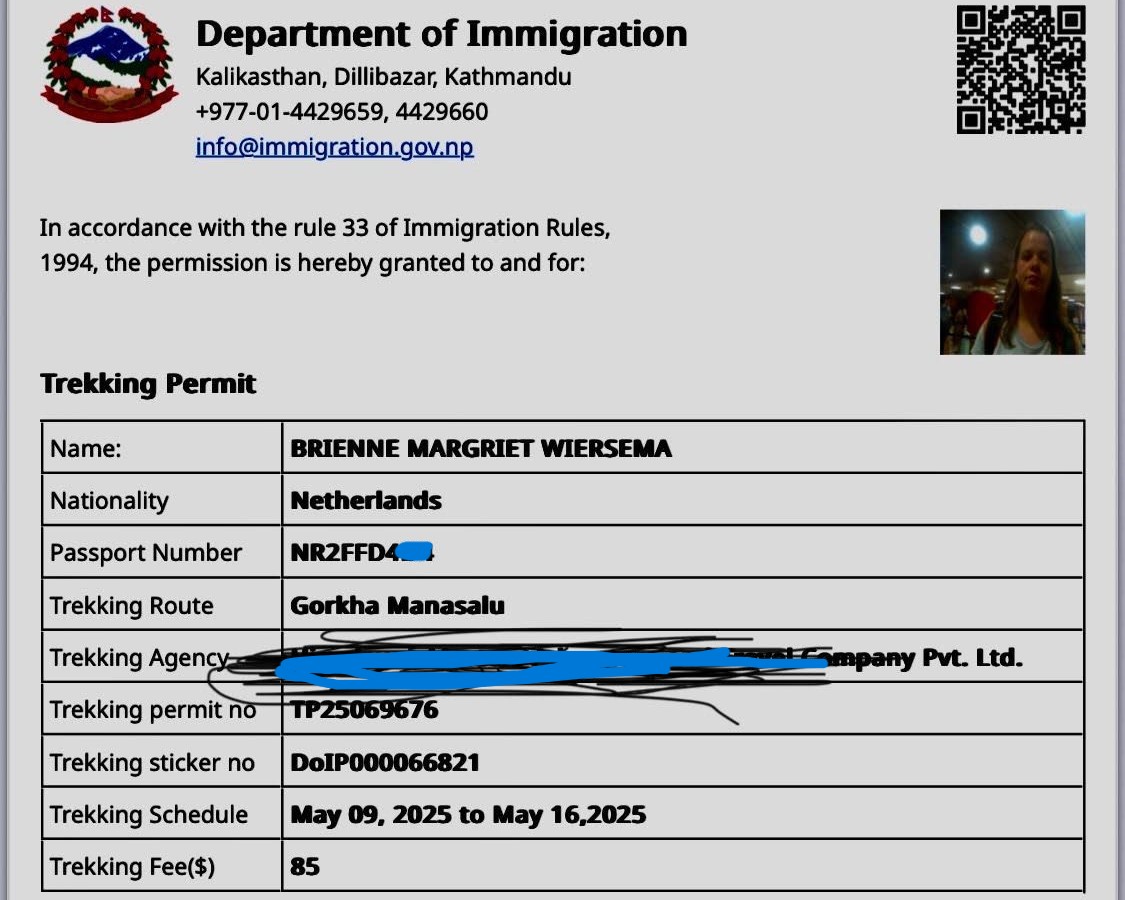
To complete the classic Manaslu Circuit Trek, foreign trekkers generally need three permits.
Manaslu Restricted Area Permit (MRAP)
This is the main permit required to enter the restricted section of the trail.
The permit fee varies depending on the season and the number of days spent inside the restricted area. Because the pricing can change over time, it's always worth confirming the latest rates before booking your trek.
Without this permit, you cannot legally enter the restricted Manaslu region.
Manaslu Conservation Area Permit (MCAP)
The Manaslu Conservation Area Permit helps support conservation efforts throughout the protected region.
The permit contributes to:
Environmental conservation
Trail maintenance
Biodiversity protection
Sustainable tourism management
Since almost the entire trekking route passes through the conservation area, this permit is required for all trekkers.
Annapurna Conservation Area Permit (ACAP)
Many first-time trekkers wonder why they need an Annapurna permit for a Manaslu trek. The reason is simple.
After crossing Larke Pass, the trail descends into the Annapurna region before finishing around Dharapani. Because the route enters another protected conservation area, the Annapurna Conservation Area Permit is also required.
Do You Need a TIMS Card?
For the classic Manaslu Circuit Trek, a separate TIMS (Trekkers' Information Management System) card is generally not required, as the restricted area permit system already records trekkers and their guides.
This is one area where outdated information is still common online, so it is worth checking current regulations before your trip in case policies change in the future.
Can You Do the Manaslu Circuit Trek Solo?
This is probably the question I receive most often. The answer depends on what you mean by solo.
If by "solo" you mean traveling to Nepal without friends or a trekking partner, that is now possible. However, if you mean trekking completely independently without a licensed guide, the answer is no.
The Manaslu Circuit remains a restricted trekking route, and foreign trekkers are still required to trek with a licensed guide. Permit applications must also be submitted through a registered trekking agency.
This is an important distinction because many articles still use the word "solo" without explaining what it actually means under the current regulations.
What Changed in the Rules in 2026?
Previously, international trekkers needed at least two foreign trekkers to obtain the Manaslu Restricted Area Permit.
That rule has now been removed.
Today, individual travellers can apply for the restricted area permit through a registered trekking agency without needing to find another foreign trekker simply to meet the old group requirement.
For many people, this has made planning the trek much easier. You can now:
Join a scheduled group departure.
Book a private guided trek.
Travel to Nepal independently and arrange your trek through an agency.
What has not changed is the requirement to trek with a licensed guide.
Why Hiring a Guide Makes Sense on Manaslu
Even if independent trekking were allowed, Manaslu is one route where I would still recommend trekking with an experienced guide.
The reason isn't that the trail is impossible to follow.
It's because conditions in the mountains can change quickly.
A good guide helps with:
Navigation on less obvious trail sections
Monitoring acclimatization
Adjusting the itinerary if needed
Communicating with local teahouses
Handling unexpected weather or trail changes
Sharing local history and cultural insights that you might otherwise miss
Many travelers report that by the end of the trek, their guide had evolved into much more than just a guide, becoming an important part of the overall experience.
Permit Tips Before You Travel
Before finalising your trek, I usually recommend keeping these practical points in mind:
Carry both digital and printed copies of your passport.
Keep your permits easily accessible, as they are checked at multiple checkpoints.
Avoid making last-minute itinerary changes once permits have been issued.
If you're trekking during peak spring or autumn, arrange your permits in advance to avoid unnecessary delays.
Always check whether there have been any recent government updates before travelling, as permit regulations can occasionally change.
The Manaslu Circuit Trek cost depends on whether you join a group, book a private trek, or customize your itinerary. Since the trek requires a licensed guide and restricted area permits, it is generally more expensive than independent treks like Annapurna Base Camp or Langtang.
For most trekkers, a realistic budget falls between US$1,000 and US$2,000, depending on the level of service, group size, and personal spending.
Average Package Cost
Trek Type
Estimated Cost (Per Person)
Budget Group Trek
USD $900 - 1,200
Standard Guided Trek
USD $1,200 - 1,700
Private Trek
USD $1,700 - 2,400
Always compare what's included before booking. A cheaper package may exclude transportation, meals, or porter services.
Permit Costs
Permit
Cost
Manaslu Restricted Area Permit (Sep-Nov)
USD $100 for the first 7 days, then USD $15 per day after that.
Manaslu Restricted Area Permit (Dec-Aug)
USD $75 for the first 7 days, then USD $10 per day after that.
Manaslu Conservation Area Permit (MCAP)
NPR 3,000
Annapurna Conservation Area Permit (ACAP)
NPR 3,000
Guide and Porter Costs
A licensed guide is mandatory for the Manaslu Circuit Trek.
Guide: US$30–40 per day
Porter (optional): US$20–30 per day (usually shared between two trekkers)
Hiring a porter is recommended if you want to enjoy the trek without carrying a heavy backpack every day.
Transportation
Typical transportation costs are
Kathmandu to Machha Khola
Local bus: US$15–25
Shared jeep: US$30–50
Private jeep: US$180–250 (shared by the group)
Dharapani to Kathmandu
Shared transport: US$25–45
Private jeep: US$250–350
Many trekking packages already include both transfers.
Daily Personal Expenses
Even with a package, it's wise to carry extra cash for personal expenses.
Items
Typical Price
Lunch/Dinner
USD 6 - USD 10
Tea / Coffee
USD 2 - USD 4
Bottled Water
USD 1 - USD 2
Hot Shower
USD 2 - USD 4
Phone Charging
USD 2 - USD 4
Wifi
USD 1- USD 3
Prices increase as you gain altitude because supplies are transported by porters or pack animals.
Other Costs to Consider
Don't forget to budget for:
Travel insurance with high-altitude and helicopter evacuation coverage
Gear rental (sleeping bag, down jacket, trekking poles, etc.)
Tips for your guide and porter
Snacks and drinks
Extra hotel nights in Kathmandu if needed
How Much Money Should You Budget?
For most trekkers, these estimates work well:
Budget: US$1,000–1,300
Comfortable guided trek: US$1,300–1,800
Private trek: US$1,800–2,500+
A transparent itinerary with clear inclusions is often more valuable than simply choosing the lowest price. Before booking, check exactly what is covered so you can compare packages fairly and avoid unexpected expenses during the trek.
Accommodation and Food on the Manaslu Circuit Trek
Accommodation and food on the Manaslu Circuit Trek are simple but sufficient for a comfortable trekking experience. Most villages along the route have locally operated teahouses that provide a warm place to sleep, freshly cooked meals, and an opportunity to interact with local families.
As you gain altitude, facilities become more basic, and prices gradually increase because all supplies must be transported into the mountains.
Accommodation
The Manaslu Circuit is a teahouse trek, meaning you stay in small mountain lodges rather than camping.
Most teahouses provide:
Twin-sharing rooms with basic beds
Mattress, pillow, and blanket
Shared bathrooms (attached bathrooms available in a few lower villages)
Heated communal dining room
Charging facilities and Wi-Fi (extra cost in most places)
Rooms are generally clean but simple. Luxury accommodation is not available on this route, especially above Namrung.
During the peak trekking seasons (spring and autumn), teahouses can fill up quickly, so booking through an agency or guide helps secure accommodation.
Food
The menu is similar throughout the trek, although the variety decreases at higher elevations.
Popular meals include:
Dal Bhat
Fried rice
Noodles
Momos
Pasta
Pizza (available in some villages)
Eggs and omelettes
Pancakes
Tibetan bread
Soup and porridge
Among all these options, Dal Bhat remains the best choice for most trekkers. It's freshly prepared, filling, nutritious, and often comes with free refills of rice and lentils.
Drinking Water
Avoid drinking untreated tap or stream water.
The safest options are:
Water purification tablets
Water filter bottles
Boiled drinking water from teahouses
Buying bottled water is possible but becomes increasingly expensive with altitude and creates unnecessary plastic waste.
Electricity, Wi-Fi and Mobile Network
Most villages have electricity, but charging electronic devices usually costs an additional fee.
Wi-Fi is available in many teahouses, although the connection becomes slower and less reliable at higher elevations.
Mobile coverage is available in several villages through Nepal Telecom (NTC) and Ncell, but expect limited or no signal in remote sections of the trail.
Useful Tips
Carry enough cash, as teahouses do not accept cards.
Bring a power bank for charging your devices.
Start meals early during busy seasons to avoid waiting.
Carry a few snacks for long trekking days between villages.
Respect local customs and quiet hours inside teahouses.
While the facilities on the Manaslu Circuit are more basic than those on Everest or Annapurna, they are more than enough for a comfortable trek. Most trekkers quickly realise that the warm hospitality of the local teahouse owners often becomes one of the most memorable parts of the journey.
Trekkers are Having Food during Manaslu Trekking
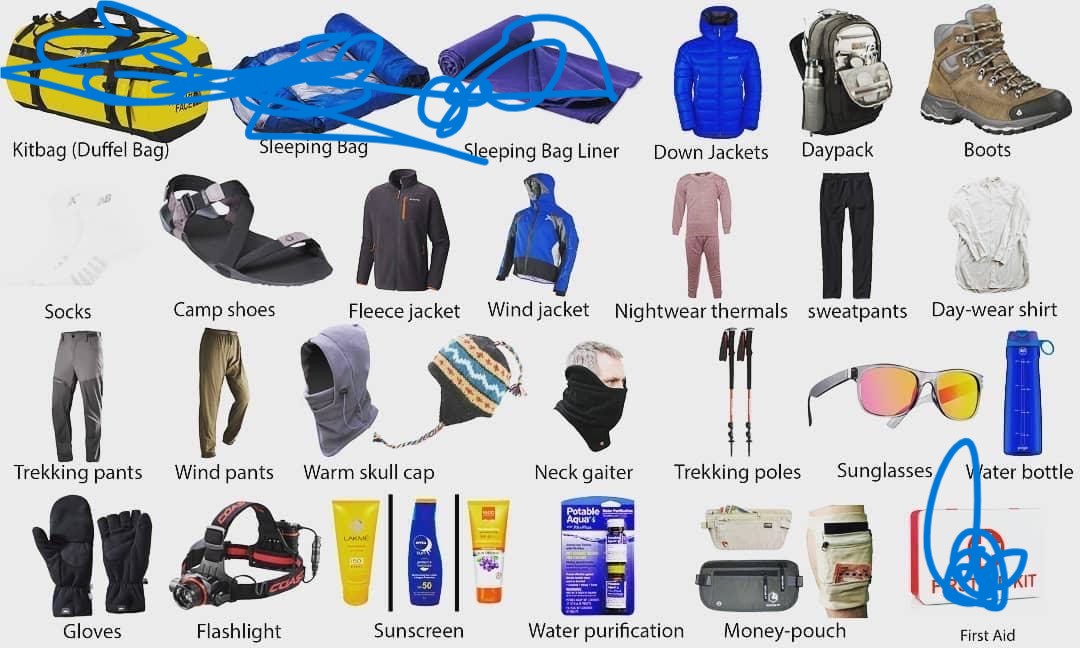
Manaslu Circuit Trek Packing List: What to Pack and What to Avoid
Packing properly for the Manaslu Circuit Trek can make a big difference in your comfort, especially during the higher sections near Larke Pass (5,106 m). The goal is not to carry everything you own but to pack light, warm, and practical.
Since porters are commonly used on this route, you can carry essential items in your daypack while your main luggage is transported separately.
Clothing
The weather changes dramatically as you move from lower valleys to high-altitude areas, so layering is the best approach.
Essential clothing:
Moisture-wicking base layers
Thermal innerwear
Fleece jacket
Down jacket
Waterproof and windproof jacket
Trekking pants
Waterproof pants (recommended)
Warm hat and sun hat
Gloves
Trekking socks
Extra underwear
A good down jacket and warm layers become especially important above Samagaon and during the Larke Pass crossing.
Footwear
Your feet handle the entire journey, so good footwear is one of the most important investments.
Carry:
Comfortable waterproof trekking boots
Camp shoes or sandals
Warm trekking socks
Gaiters (especially useful during snowy conditions)
Avoid bringing brand-new boots. Wear them before the trek to prevent blisters.
Trekking Gear
Important gear includes:
Backpack (25–35L for your daypack)
Duffel bag (if using a porter)
Sleeping bag (around -10°C to -15°C recommended)
Trekking poles
Headlamp with extra batteries
Sunglasses (UV protection)
Water bottle or hydration system
Water purification tablets/filter
A sleeping bag is highly recommended because nights at higher elevations can be very cold, even if teahouses provide blankets.
Personal Items
Useful personal items:
Sunscreen (high SPF)
Lip balm with SPF
Toiletries
Quick-dry towel
Hand sanitizer
Toilet paper
Personal medication
Basic first-aid kit
Power bank
Camera/phone accessories
Documents and Money
Do not forget:
Passport
Passport copies
Passport-sized photos
Travel insurance documents
Trekking permits (usually arranged by your agency)
Enough Nepalese cash
There are no reliable ATMs along the Manaslu route, so withdraw enough money in Kathmandu before starting.
Optional but Useful Items
Depending on your personal needs:
Snacks (energy bars, chocolates, nuts)
Earplugs
Book or Kindle
Lightweight towel
Dry bags for protecting electronics
Small repair kit
Things You Should Avoid Packing
Many trekkers carry unnecessary weight. Avoid:
Too many clothes
Heavy electronics
Large bottles of toiletries
Multiple pairs of shoes
Unnecessary luxury items
Remember, every extra kilogram becomes harder to carry after several days of walking.
Packing Tips for Manaslu Circuit
Keep frequently used items in your daypack.
Pack important electronics and documents in waterproof bags.
Prepare for both warm lower sections and freezing high-altitude areas.
Leave some space for snacks or souvenirs.
Test your backpack weight before arriving in Nepal.
A well-prepared backpack does not make the trek easier by removing the challenge—it simply allows you to focus more on the mountains, villages, and experience instead of struggling with unnecessary luggage.
Complete Packing List for Manaslu Circuit Trek
Altitude Sickness and Safety on the Manaslu Circuit Trek
Altitude is one of the most important things to understand before starting the Manaslu Circuit Trek. The route gradually climbs from the lower hills to Larke Pass (5,106 m), and your body needs enough time to adjust to the reduced oxygen levels.
From my experience of helping trekkers plan Himalayan journeys, I have noticed that many people focus heavily on fitness but underestimate altitude. Being physically strong definitely helps, but altitude sickness can affect anyone, regardless of age, strength, or previous trekking experience.
The best approach is simple: walk slowly, acclimatize properly, and listen to your body.
Understanding Altitude Sickness
Altitude sickness, also known as Acute Mountain Sickness (AMS), happens when your body struggles to adapt to higher elevations.
It commonly starts above 2,500–3,000 meters, which is why it becomes more relevant after reaching higher sections of the Manaslu route.
Common symptoms include:
Headache
Loss of appetite
Nausea
Dizziness
Shortness of breath
Fatigue
Difficulty sleeping
Mild symptoms are common during high-altitude trekking, but they should not be ignored if they become worse.
How to Prevent Altitude Problems
The Manaslu Circuit itinerary is designed with gradual elevation gain, but your own trekking habits also matter.
Walk Slowly and Maintain a Comfortable Pace
One mistake I often see is trekkers walking too fast during the first few days because they feel strong at lower elevations.
The goal is not to finish each day quickly. The goal is to allow your body to adjust.
A slower pace usually means:
Better acclimatization
Less exhaustion
More enjoyment of the surroundings
Stay Hydrated
At higher altitudes, your body loses more water through breathing and physical activity.
Try to drink around 3–4 litres of water daily, especially during longer trekking days.
Eat Properly
Loss of appetite is common at altitude, but your body still needs energy.
Focus on:
Carbohydrate-rich foods
Warm meals
Soups
Dal Bhat
Snacks during walking
Avoid Alcohol and Smoking
Alcohol affects your body's ability to adjust to altitude and can increase dehydration.
Smoking can also make breathing more difficult, especially in areas where oxygen levels are already lower.
Why Acclimatization at Samagaon Is Important
The rest day at Samagaon (around 3,500 m) is a critical component of the Manaslu Circuit Trek.
Some trekkers see it as a free day and try to rush ahead, but I always consider it a necessary part of the itinerary.
You can use this day to:
Explore Birendra Lake
Visit Pungyen Gompa
Take short hikes around the village
Allow your body to adjust before going higher
A proper acclimatization day can make the difference between comfortably crossing Larke Pass and struggling during the final section.
What to Do If You Feel Altitude Symptoms
If symptoms are mild:
Rest
Drink water
Avoid increasing altitude too quickly
Inform your guide
If symptoms become serious:
Do not continue ascending
Descend if necessary
Seek medical assistance
Ignoring worsening symptoms is one of the biggest mistakes in the mountains.
Travel Insurance and Emergency Safety
A good travel insurance policy is essential for the Manaslu Circuit Trek.
Make sure your insurance covers:
High-altitude trekking (above 5,000 m)
Emergency helicopter evacuation
Medical treatment
Trip cancellation or interruption
Helicopter evacuation is available in Nepal, but it can be extremely expensive without proper insurance.
Other Safety Tips for Manaslu Circuit Trek
Besides altitude, keep these points in mind:
Carry enough cash before leaving Kathmandu.
Check weather conditions before crossing Larke Pass.
Keep important documents and electronics protected from moisture.
Avoid rushing the itinerary.
Follow your guide's advice during difficult sections.
Inform someone about your trekking plans.
The Manaslu Circuit is a challenging Himalayan trek, but with proper preparation and respect for the mountains, it is a safe and rewarding experience. The goal is not simply to reach the pass, but to complete the journey in such a way that you can enjoy every moment of it.
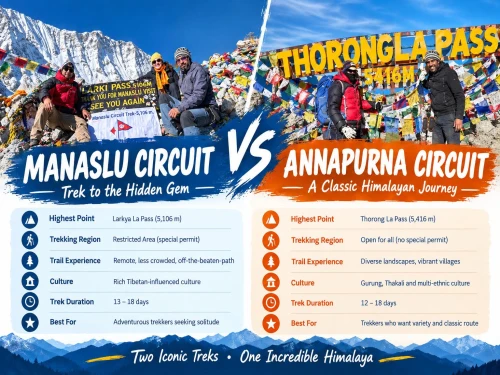
Manaslu Circuit Trek vs Everest Base Camp vs Annapurna Circuit: Which Trek Is Right for You?
One frequently asked question is, "Which trek is better: Manaslu, Everest Base Camp, or Annapurna Circuit?" After comparing these routes over the years, I don't think there's a single winner. Each trek provides a unique experience, and the best one for you is determined by your preferences.
If this is your first trek in Nepal, don't choose the most popular route. Consider the type of journey you want to take.
Feature
Manaslu Circuit
Everest Base Camp
Annapurna Circuit
Difficulty
Moderate to Challenging
Moderate to Challenging
Moderate to Challenging
Maximum Elevation
5,106 m (Larke Pass)
5,545 m (Kala Patthar)
5,416 m (Thorong La Pass)
Duration
12-16 Days
12-14 Days
10-18 Days
Crowds
Low
High
Moderate
Guide Required
Yes
No
No
Accomodation
Basic Teahouses
Well-Developed Teahouses
Well-Developed Teahouses
Best For
Culture and Remote Adventure
Everest Experience
Variety of Landscapes
Choose the Manaslu Circuit Trek If…
From my perspective, Manaslu is ideal for trekkers who want to experience a quieter side of the Himalayas.
I usually recommend it if you:
Prefer fewer crowds.
Enjoy learning about local culture.
Want a more remote trekking experience.
Don't mind simpler teahouses.
Have enough time for a two-week adventure.
One of the things I appreciate most about Manaslu is that it still feels like a journey through mountain communities rather than a busy trekking corridor.
Choose Everest Base Camp If...
Everest Base Camp is perfect if seeing the world's highest mountain has always been on your bucket list.
It's a great choice if you want:
The classic Everest experience.
Famous viewpoints like Kala Patthar.
Better trekking infrastructure.
More accommodation choices.
A lively atmosphere on the trail.
The most obvious benefit of climbing Everest is the opportunity to stand in one of the world's most iconic mountain ranges.
Choose Annapurna Circuit If...
The Annapurna Circuit is best for trekkers looking for maximum variety.
During one trek, you'll experience:
Subtropical forests
Traditional villages
High mountain deserts
Thorong La Pass
Different ethnic communities
It also offers more flexibility in terms of itinerary length and access compared to Manaslu.
Which Trek Would I Recommend?
If someone is trekking in Nepal for the first time and has always wanted to see Everest, I usually recommend Everest Base Camp. I frequently suggest the Manaslu Circuit Trek to people who have already completed one or two Himalayan treks and are looking for something more sedate and engaging.
And if they want incredible landscape diversity and flexible itineraries, the Annapurna Circuit is an excellent choice.
Finally, none of these treks is objectively "better." They simply provide diverse experiences. The best option isn't always the one with the biggest name; it's the one that fits your expectations, fitness level, and interests.
Practical Tips for the Manaslu Circuit Trek
After discussing the preparation, permits, expenses, and schedule, I'd like to conclude with some useful advice that many hikers don't know until they're actually on the trail. These are simple, but they can significantly improve the comfort of your hike.
Don't underestimate the road journey. The drive to Machha Khola is long and can be rough, so it's worth getting a good night's sleep before departure.
Carry enough cash from Kathmandu. There are no reliable ATMs once you leave the city, and teahouses only accept cash.
Start each trekking day early. You'll usually enjoy better weather and quieter trails and arrive at your destination with enough time to rest.
Pack light. Even if you're hiring a porter, bringing only what you actually need makes packing and unpacking much easier every day.
Drink treated water instead of buying bottled water. It's cheaper, environmentally friendly, and reduces plastic waste in the mountains.
Don't rush your acclimatization day. If your itinerary includes a rest day in Samagaon, use it properly. A short acclimatization hike is far more beneficial than staying in bed all day.
Expect limited connectivity. Mobile signal and Wi-Fi improve every year, but don't rely on them. I usually tell trekkers to enjoy the opportunity to disconnect for a while.
Respect local customs. Dress modestly around monasteries, ask before photographing people, and walk clockwise around stupas and mani walls.
Keep your electronics warm. Cold temperatures drain camera and phone batteries much faster than most people expect.
Listen to your guide. They know the trail, weather patterns, and altitude better than anyone. If they recommend slowing down or changing plans, there's usually a good reason.
Final Thoughts
The Manaslu Circuit Trek is neither the most luxurious nor the simplest trek in Nepal. Its balance of breathtaking Himalayan scenery, genuine mountain culture, peaceful trails, and the thrilling challenge of traversing Larke Pass is what makes it unique.
I enjoy this trek the most because it never feels hurried. Every day feels different from the last, the villages each have their own personality, and the landscape gradually shifts. By the time you're done, it feels more like you've traversed an entire Himalayan region than a trekking route.
The Manaslu Circuit continues to be one of the most fulfilling treks in Nepal if you're searching for a journey that goes beyond well-known vantage points and provides a closer connection with the country's mountains and communities. Choosing Mount Glory Treks is the best Manaslu Trek Company in Nepal based on Reviews. Locally grown from the Gorkha Manaslu area and have been a local operator since 2017.
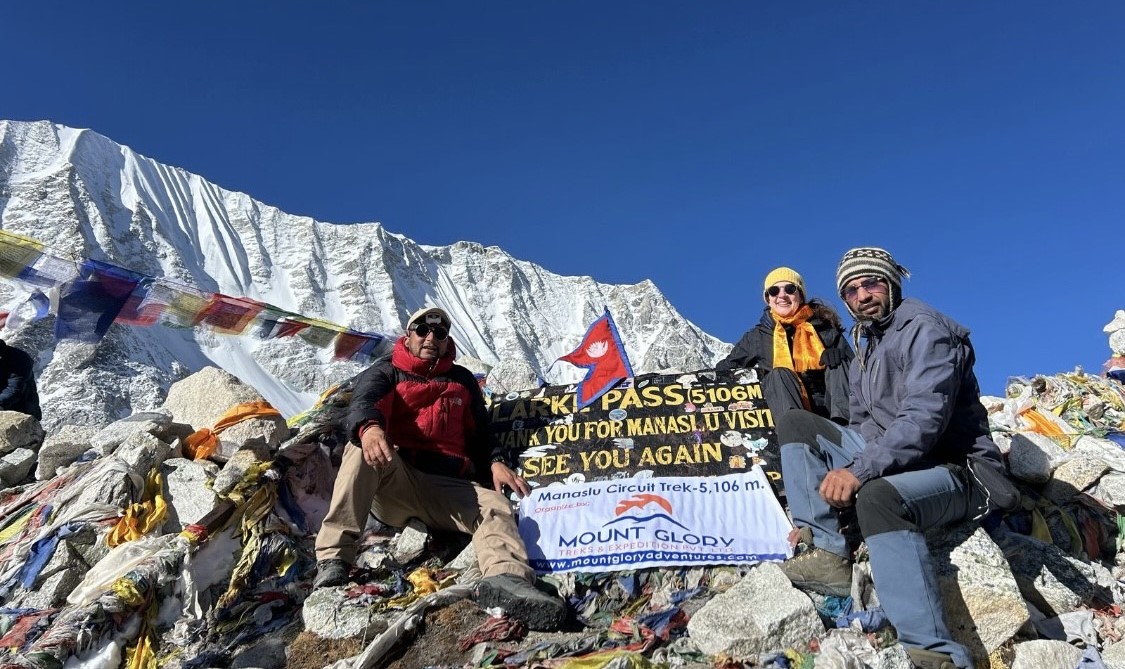
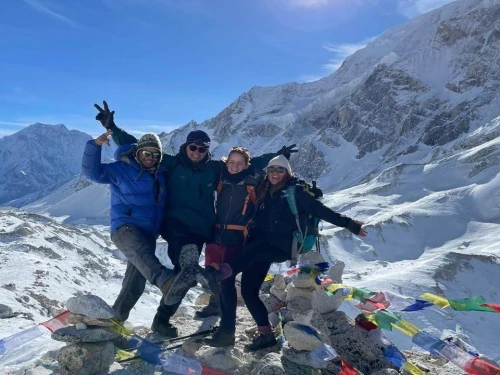
Our Experienced Guide and Porter With Guest From UK are at Larke La Pass 5106m
Frequently Asked Questions
1: Is the Manaslu Circuit Trek suitable for beginners? Yes, but if you have little to no hiking experience, I wouldn't suggest it as your first multi-day trek. While the Manaslu Circuit Trek does not involve technical climbing, it does necessitate good physical fitness, several days of walking, and the ability to deal with high altitudes. Many beginners succeed on the trek if they are active, well-prepared, and choose an itinerary with adequate acclimatization. The key is to hike at a steady pace rather than attempting to cover long distances too quickly.
2: Can I do the Manaslu Circuit Trek without a guide? No. The Manaslu Circuit Trek is a restricted trekking area, so international trekkers must be accompanied by a licensed guide and obtain permits through a registered Nepali trekking agency. The good news is that you don't have to join a large group; you can book a private guided trek or take part in a small departure if you prefer. A knowledgeable guide adds value by assisting with navigation, sharing local knowledge, and monitoring your acclimatization throughout the trek.
3: How many days are ideal for the Manaslu Circuit Trek? While shorter itineraries are available, I typically recommend 14 to 16 days. This gives you enough time to properly acclimate, explore the mountain villages, and cross Larke Pass (5,106 m) without rushing. If your schedule allows, it's always a good idea to keep an extra day in case of bad weather or road closures.
4: When is the best time to trek the Manaslu Circuit? The best seasons are spring (March-May) and autumn (September-November). If I had to pick one, I'd go with autumn because of its stable weather and consistently clear mountain views. Spring is equally rewarding if you enjoy blooming rhododendrons, greener landscapes, and more peaceful trails.
5: How much does the Manaslu Circuit Trek cost? A realistic budget for the Manaslu Circuit Trek ranges from US$1,000 to US$2,000, depending on your itinerary, group size, and the services included. Besides the package price, it's worth setting aside extra money for travel insurance, tips, drinks, snacks, and personal expenses. Before booking, compare the inclusions rather than simply choosing the lowest price.
6: Is altitude sickness common on the Manaslu Circuit Trek? Altitude is one of the biggest challenges on this trek because the route reaches 5,106 meters at Larke Pass. From what I've seen, trekkers who follow a gradual itinerary, stay hydrated, and respect acclimatization days usually have a much better experience. If symptoms become worse instead of improving, descending is always the safest decision.
7: Which permits are required for the Manaslu Trek? You'll need three permits: the Manaslu Restricted Area Permit (MRAP), Manaslu Conservation Area Permit (MCAP), and Annapurna Conservation Area Permit (ACAP). These are mandatory for international trekkers and must be arranged through a registered Nepali trekking agency before starting the trek.
8: Is the Manaslu Circuit Trekking worth it? If you're looking for a quieter alternative to Everest Base Camp or the Annapurna Circuit, I'd say absolutely. What distinguishes Manaslu is not just the scenery; it is the combination of remote valleys, Tibetan-influenced culture, welcoming villages, and a genuine sense of adventure that has largely remained unaffected by mass tourism.
9: What is the highest point of the Manaslu Circuit Trek? The highest point is Larke Pass (Larkya La Pass) at 5,106 meters (16,752 feet). It's the most challenging day of the trek, but also one of the most rewarding, with breathtaking views of the surrounding Himalayan peaks. Starting early, maintaining a steady pace, and acclimatizing properly make the crossing much more comfortable.
10: What should I pack for the Manaslu Trekking? Pack for changing mountain weather rather than packing for every possibility. Good trekking boots, layered clothing, a warm down jacket, a sleeping bag, trekking poles, and a reusable water bottle are among the essentials. If you don't own all the gear, Kathmandu has plenty of reputable rental shops where you can hire quality equipment before the trek.
Born and raised in the Mountainous village of Gorkha Nepal. Mr. Pandey is a successful tour leader and a very active social worker contributing a lot to the welfare of society. Mr, Pandey belongs to a very humble background and has started his career as a junior staff in a much-reputed company in Nepal. Mr. Pandey's family background is engaged in the tourism sector for an extended period. After spending many years in research and the drawbacks of tourism development.
Due to his great passion and enthusiasm for the trekking and tourism sector, he started his tour career with many expert teams. He intends to bring revolution to the tourism sector by offering luxurious services and accommodations to travelers at a minimum price. With the Motto of Travellers, satisfaction is my passion. He has been helping many travelers with traveling.

 based on 228 reviews


.webp)